Windows Laptop vs MacBook Pro – Which Platform Makes More Sense?
Disclosure: This post contains affiliate links. LaptopVoyager.com participates in the Amazon Associates Program and may earn commissions on qualifying purchases, at no extra cost to you.
Last Updated: January 2026
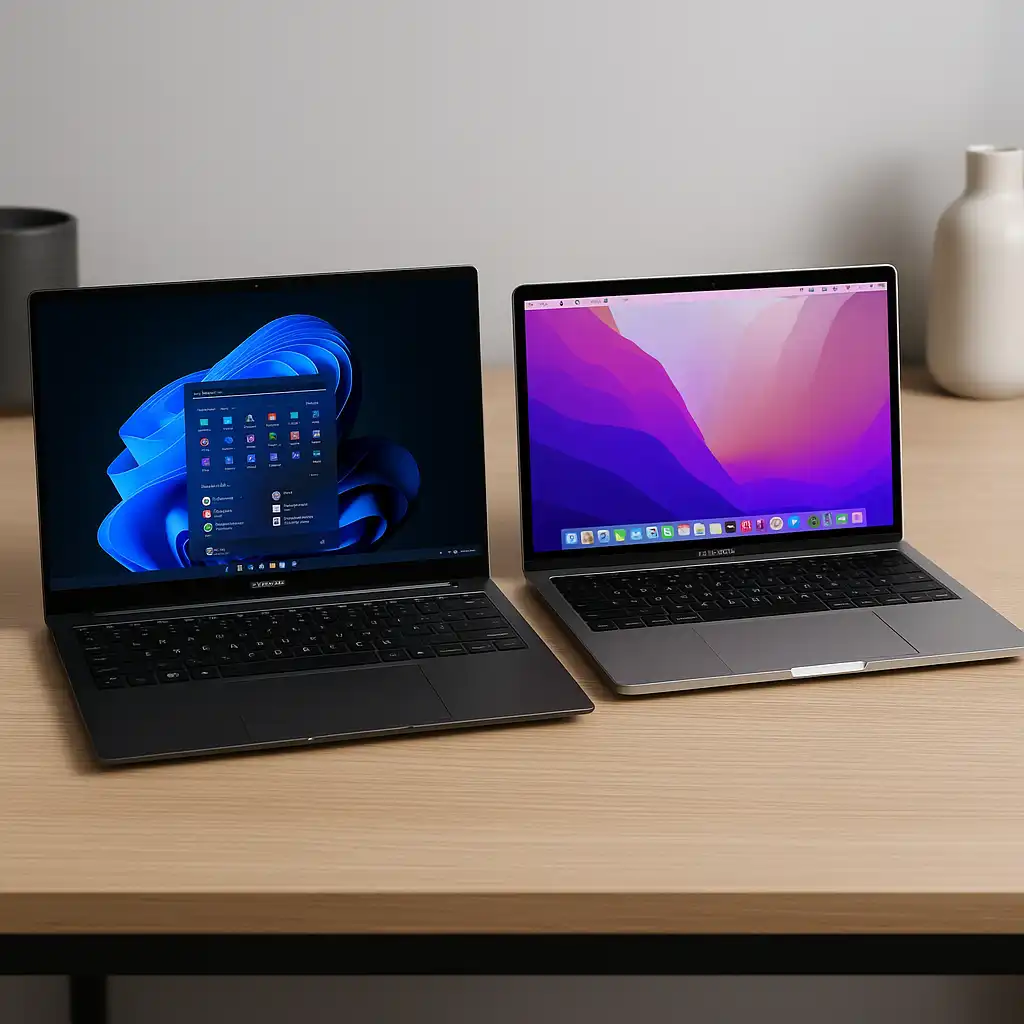
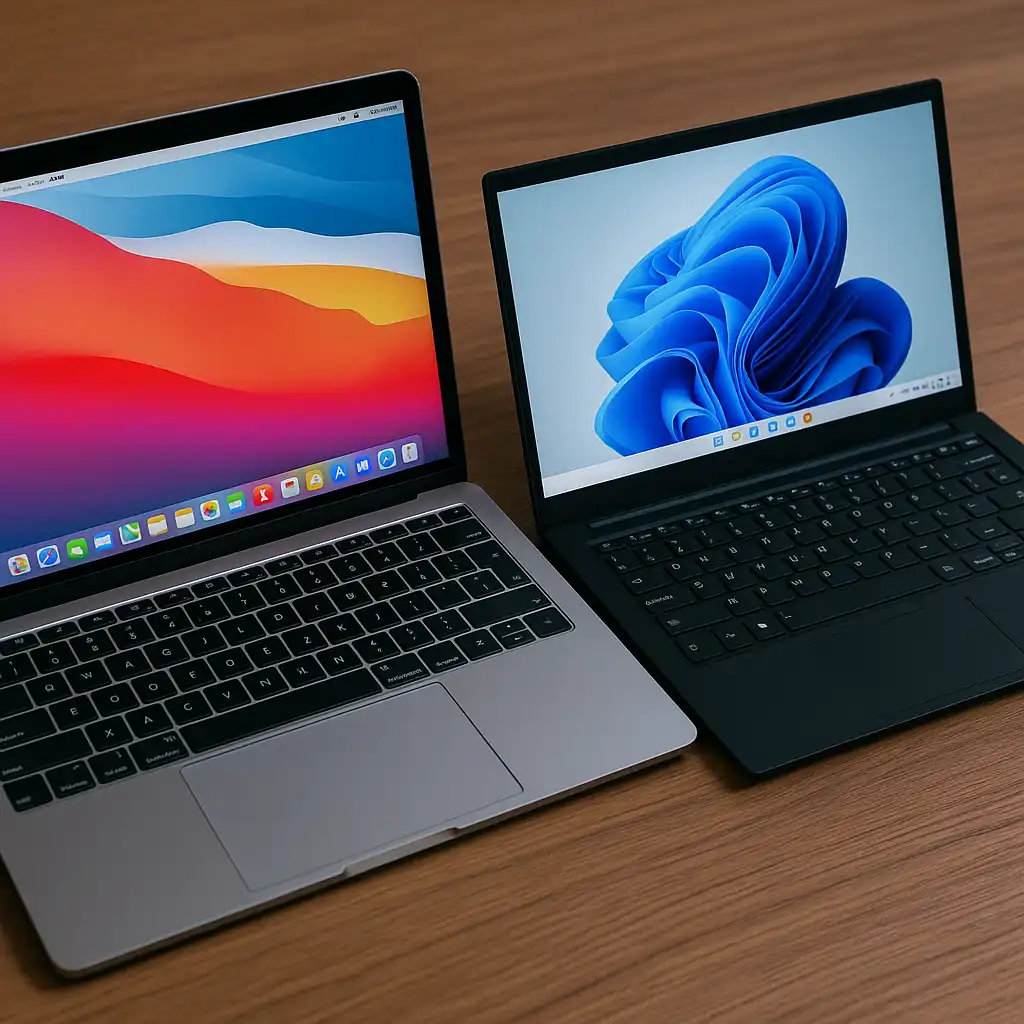
Choosing between a Windows laptop and a MacBook Pro isn’t just about specs on paper. It’s about how you work, which software you rely on, and how much flexibility you want over time. Both platforms offer premium performance, but they approach productivity, compatibility, and long-term value in very different ways.
👉 If you’re comparing premium laptops across brands, our best brand laptop computers guide helps place Windows and Apple options into the broader premium landscape.
💰 Check Price & Availability
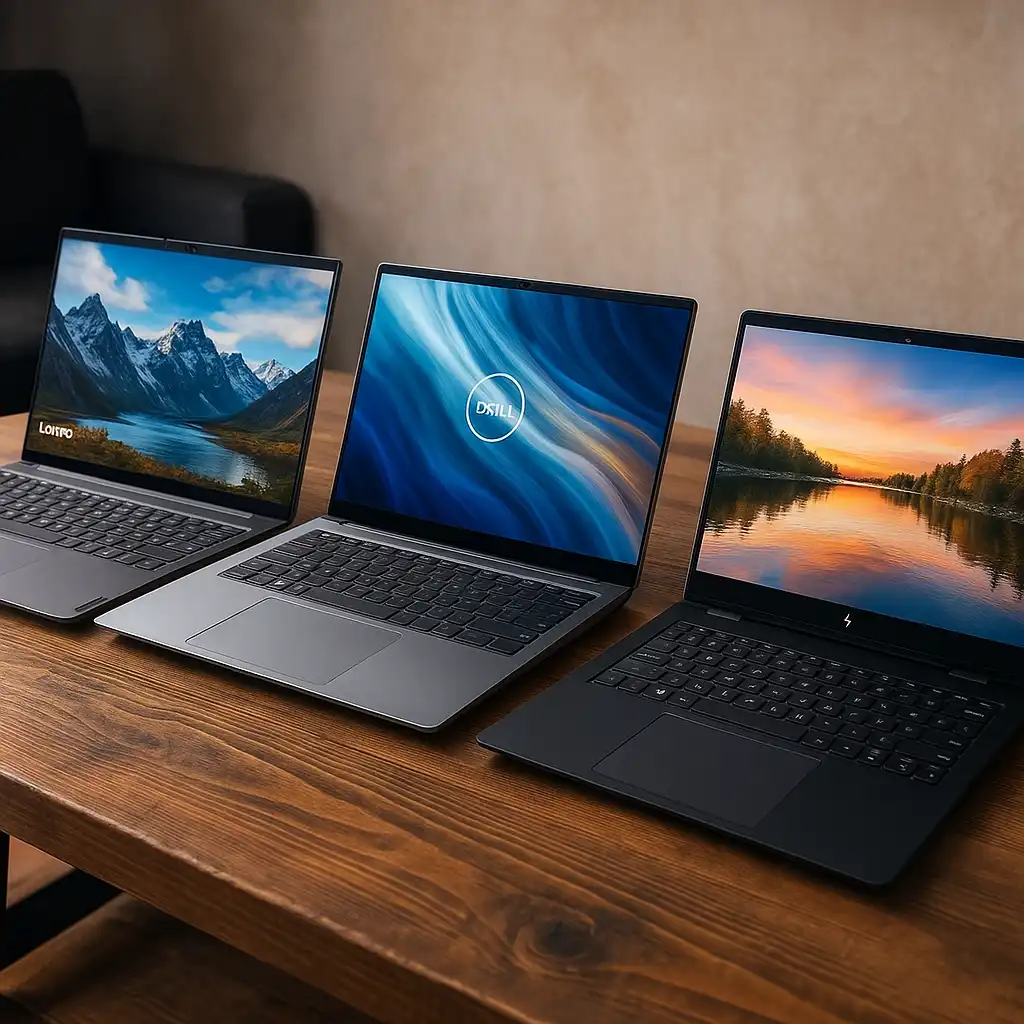
- View on Amazon – Dell XPS 15 (Intel Core i7, RTX Graphics, 4K OLED)
- View on Amazon – Lenovo ThinkPad X1 Carbon Gen 13 (Intel Ultra 7, 32GB RAM)
- View on Amazon – Apple MacBook Pro 14” with M4
📋 Quick-View Comparison List
Best for Creative Power on Windows: Dell XPS 15 – dedicated graphics support demanding creative software
Best Lightweight Windows Business Laptop: Lenovo ThinkPad X1 Carbon – ultra-light build with business-focused features
Best Performance Efficiency & Longevity: MacBook Pro M4 – Apple silicon optimized for sustained performance
Best Ecosystem Integration: MacBook Pro M4 – seamless use with other Apple devices
🔍 Performance & Workload Handling
High-end Windows laptops like the Dell XPS 15 focus on raw performance and flexibility. With powerful Intel processors and dedicated NVIDIA graphics, they’re well suited for creative workloads such as video editing, 3D work, and design tasks that benefit from GPU acceleration.
The Lenovo ThinkPad X1 Carbon takes a different Windows approach. Instead of prioritizing graphics power, it focuses on efficiency, portability, and reliability. Its Intel Ultra processor and generous memory make it a strong option for business users who want smooth multitasking in a lightweight form factor.
The MacBook Pro M4 is built around efficiency-first performance. Apple’s chip design emphasizes consistent speed with lower power consumption, making it well suited for long creative sessions, development work, and professional apps optimized for macOS.
🔍 Display Quality & Visual Experience
Windows laptops offer far more display variety. The Dell XPS 15’s 4K OLED touchscreen delivers deep contrast and vibrant colors, which appeals to visual creators who want maximum detail. The ThinkPad X1 Carbon’s display is more productivity-focused, emphasizing clarity and color accuracy over extreme resolution.
The MacBook Pro M4 uses a Liquid Retina XDR display designed for brightness consistency and precise color reproduction. It performs especially well for HDR content and professional media workflows, particularly within Apple’s creative ecosystem.
🔍 Portability & Battery Life
Portability varies widely on the Windows side. The ThinkPad X1 Carbon stands out as one of the lightest premium laptops available, making it ideal for frequent travel and business use. The Dell XPS 15 is heavier, reflecting its performance-first design.
The MacBook Pro M4 balances power with battery efficiency. Thanks to Apple’s tight hardware and software integration, it typically lasts much longer on a charge than most high-performance Windows laptops, which is a major advantage for mobile workflows.
🔍 Software Compatibility & Ecosystem
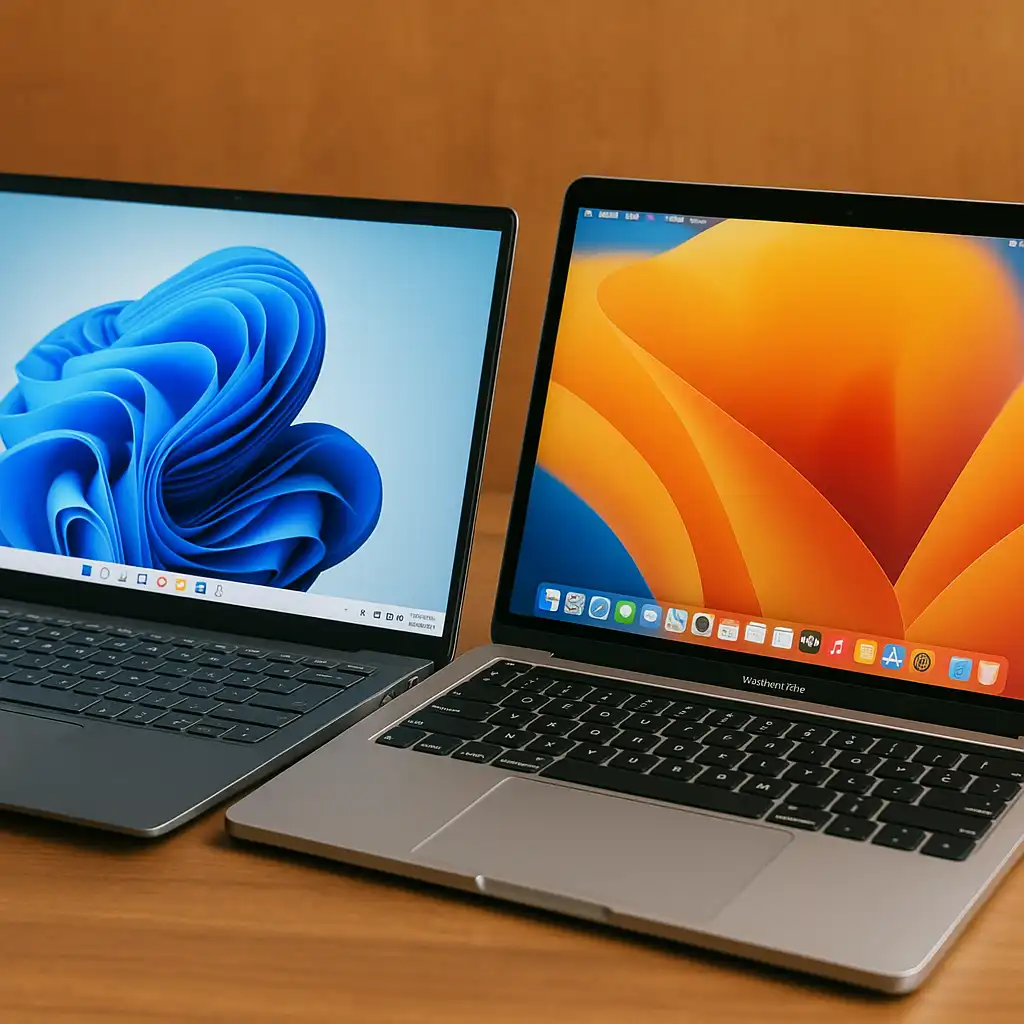
Windows remains the most flexible platform overall. It supports a broader range of professional software, legacy applications, peripherals, and gaming titles. This makes Windows laptops appealing for users who rely on specialized tools or non-Apple hardware.
macOS excels in ecosystem integration. The MacBook Pro works seamlessly with iPhones, iPads, and other Apple devices, making tasks like file sharing, messaging, and continuity features feel effortless for users already invested in Apple’s ecosystem.
🔍 Which Platform Is the Better Choice?
A Windows laptop is often the better choice if you value hardware variety, customization, and broad software compatibility. Models like the XPS 15 and ThinkPad X1 Carbon show how Windows laptops can scale from creative powerhouses to ultra-light business machines.
The MacBook Pro M4 is a strong fit if you prioritize efficiency, battery life, and long-term stability. It’s especially appealing for professionals and creators who prefer macOS and want a premium laptop that stays relevant for many years.
📌 Key Takeaways
- Windows laptops offer more hardware variety and software flexibility.
- MacBook Pro M4 focuses on efficiency, battery life, and long-term support.
- Dedicated GPUs give Windows an edge in certain creative workloads.
- Apple’s ecosystem integration is a major advantage for existing Apple users.
- The better platform depends on workflow needs, not just raw specs.
🟢 FAQs
Q: Is a Windows laptop more powerful than a MacBook Pro?
A: It depends on the configuration. Windows laptops with dedicated GPUs can offer higher graphics performance, while MacBook Pro models focus on efficiency and sustained speed.
Q: Which platform is better for creative professionals?
A: Windows laptops like the Dell XPS 15 suit GPU-heavy creative work, while the MacBook Pro M4 works well with macOS-optimized creative software.
Q: Are Windows laptops more customizable?
A: Yes. Windows laptops usually offer more hardware variety, upgrade paths, and peripheral support.
Q: Which platform lasts longer overall?
A: MacBook Pro models often benefit from longer software support, while high-end Windows laptops provide flexibility through broader hardware choices.
✅ Conclusion
Choosing between a Windows laptop and a MacBook Pro comes down to priorities. Windows offers flexibility, variety, and powerful configurations, while the MacBook Pro M4 emphasizes efficiency, ecosystem integration, and long-term reliability. The right choice is the platform that best matches how—and where—you work.