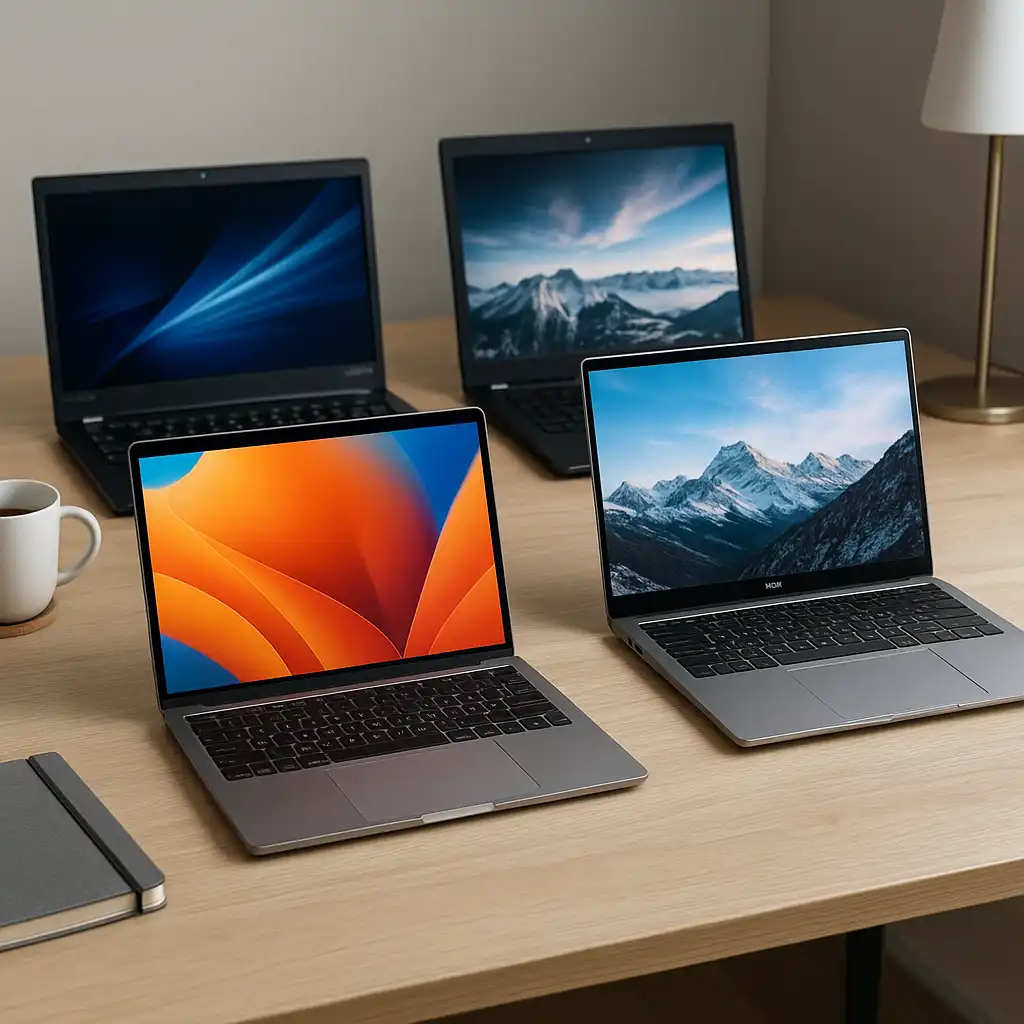
Most Reliable Laptop Brands – Long-Term Durability Explained
Disclosure: This post contains affiliate links. LaptopVoyager.com participates in the Amazon Associates Program and may earn commissions on qualifying purchases, at no extra cost to you.
Last Updated: January 2026
When people think about laptop reliability, they’re usually thinking long term. Not how fast a laptop feels on day one, but how well it holds up after years of daily use. Build quality, heat management, and software support matter far more than headline specs.
This guide looks at laptop brands that tend to deliver a dependable experience over time. Rather than focusing on individual models, it looks at long-term patterns—how different brands age, what owners consistently report, and which companies prioritize durability over short-term performance gains.
👉 For a broader look at how premium brands compare overall, our best brand laptop computers guide helps place reliability into a wider context.
🔍 What Makes a Laptop Brand “Reliable”?
Reliable laptop brands usually share a few core traits. They focus on sturdy materials, sensible thermal design, and long software support cycles. Instead of pushing hardware to its limits, they aim for balance and consistency.
Over time, this approach often leads to fewer hardware failures, more durable hinges and keyboards, and performance that stays steady as the system ages. Good warranty coverage and accessible service options also play an important role in long-term ownership satisfaction.
🔍 Laptop Brands Known for Long-Term Reliability
Apple
Apple laptops are widely associated with long lifespans. Tight hardware and software integration, efficient chip design, and consistent operating system updates help MacBooks remain usable for many years. It’s common to see owners using the same MacBook comfortably for five to seven years.
Lenovo
Lenovo has built a strong reputation for durability, especially through its ThinkPad lineup. Conservative design choices, excellent keyboards, and a focus on business reliability make Lenovo laptops a popular choice in professional environments where consistency matters more than flashy features.
Dell
Dell’s long-term reliability varies by product line, but its premium and business-focused laptops generally age well. Solid chassis construction, thoughtful cooling, and wide service availability help these models remain dependable when properly configured.
HP
HP’s higher-end laptops typically show better longevity than its budget models. Premium and business lines benefit from sturdier materials and longer support cycles, which helps them hold up better over time than entry-level alternatives.
ASUS
ASUS reliability varies by lineup, but its premium laptops are often praised for good build quality and smart component choices. When used for productivity or creative work, higher-end ASUS models tend to age more gracefully than budget-focused options.
Acer
Acer’s reliability record is mixed across its range. While some lower-cost models may show wear sooner, Acer’s premium and creator-focused laptops usually perform better long term when used within their intended workloads.
🔍 How Software Support Affects Reliability
Hardware is only part of the reliability story. Brands that provide long-term operating system updates, firmware improvements, and security patches help laptops stay stable and secure as software requirements evolve.
Even a well-built laptop can feel outdated if updates stop too soon. Consistent software support plays a major role in how long a laptop remains useful.
🔍 Reliability vs Performance: Why Balance Matters
Some laptops are designed to push maximum performance at all costs. Over time, that approach can lead to higher heat output, louder fans, and faster battery wear.
Brands known for reliability usually take a more balanced route. Slightly lower peak performance paired with better cooling and efficiency often results in a laptop that feels dependable years later, rather than one that peaks early and declines quickly.
📌 Key Takeaways
- Reliable laptop brands prioritize durability, cooling, and long-term software support.
- Premium and business-class laptops usually age better than budget models.
- Apple and Lenovo consistently stand out for long-term ownership satisfaction.
- Software updates and service access matter as much as hardware quality.
- Balanced design choices tend to deliver the best long-term experience.
🟢 FAQs
Q: Do reliable laptop brands usually cost more?
A: Often, yes. Better materials, conservative design choices, and longer support cycles tend to increase upfront cost, but they also improve longevity.
Q: How long should a reliable laptop last?
A: Many well-built laptops remain comfortable to use for 5–7 years with typical productivity workloads.
Q: Are business laptops more reliable than consumer laptops?
A: In many cases, yes. Business-focused lines are often built to higher durability standards and supported for longer periods.
✅ Conclusion
The most reliable laptop brands are those that focus on consistency rather than hype. Strong build quality, sensible thermal design, and long-term software support all contribute to laptops that age gracefully. While no brand is perfect, choosing one known for durability and support greatly improves the chances that your laptop will remain dependable for years to come.