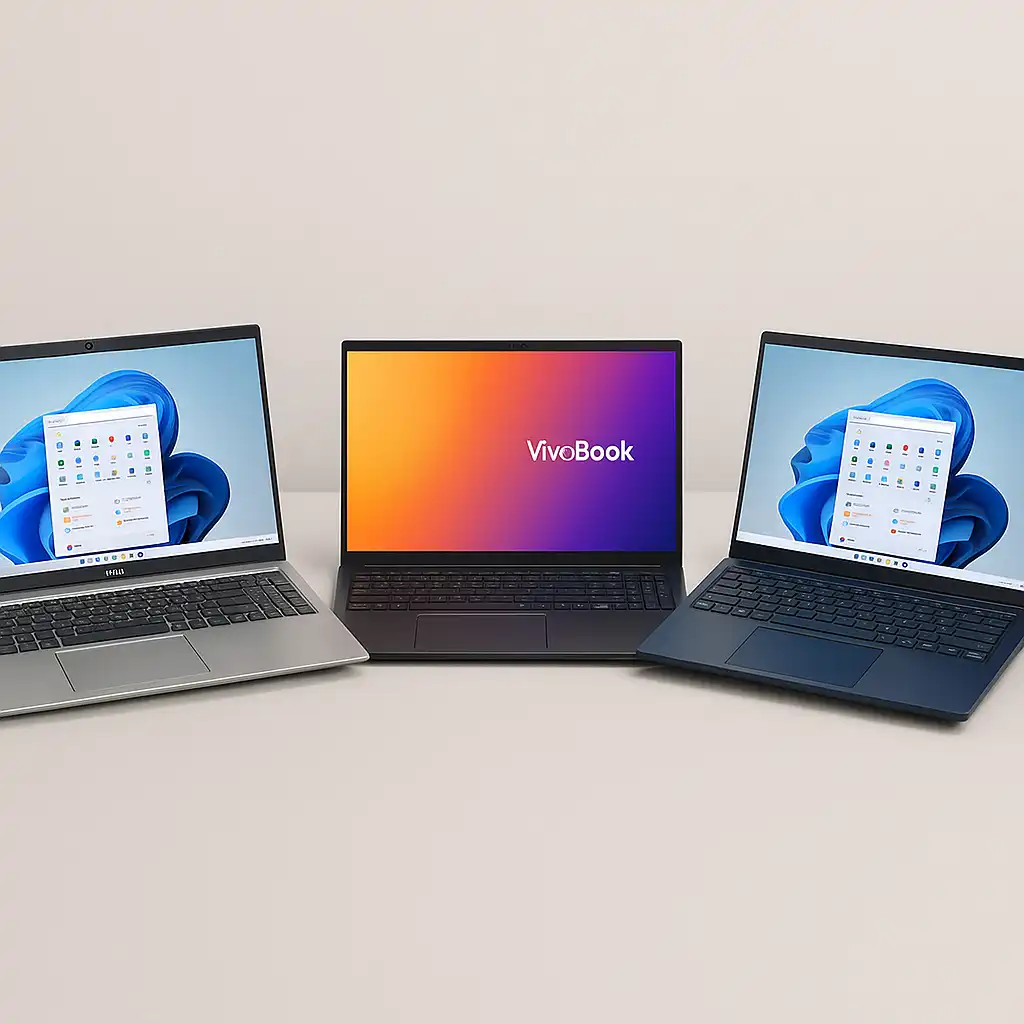
Best Laptop Computer with SSD Drive – Fast, Reliable Storage for Everyday Use
Disclosure: This post contains affiliate links. LaptopVoyager.com participates in the Amazon Associates Program and may earn commissions on qualifying purchases, at no extra cost to you.
Last Updated: February 2026
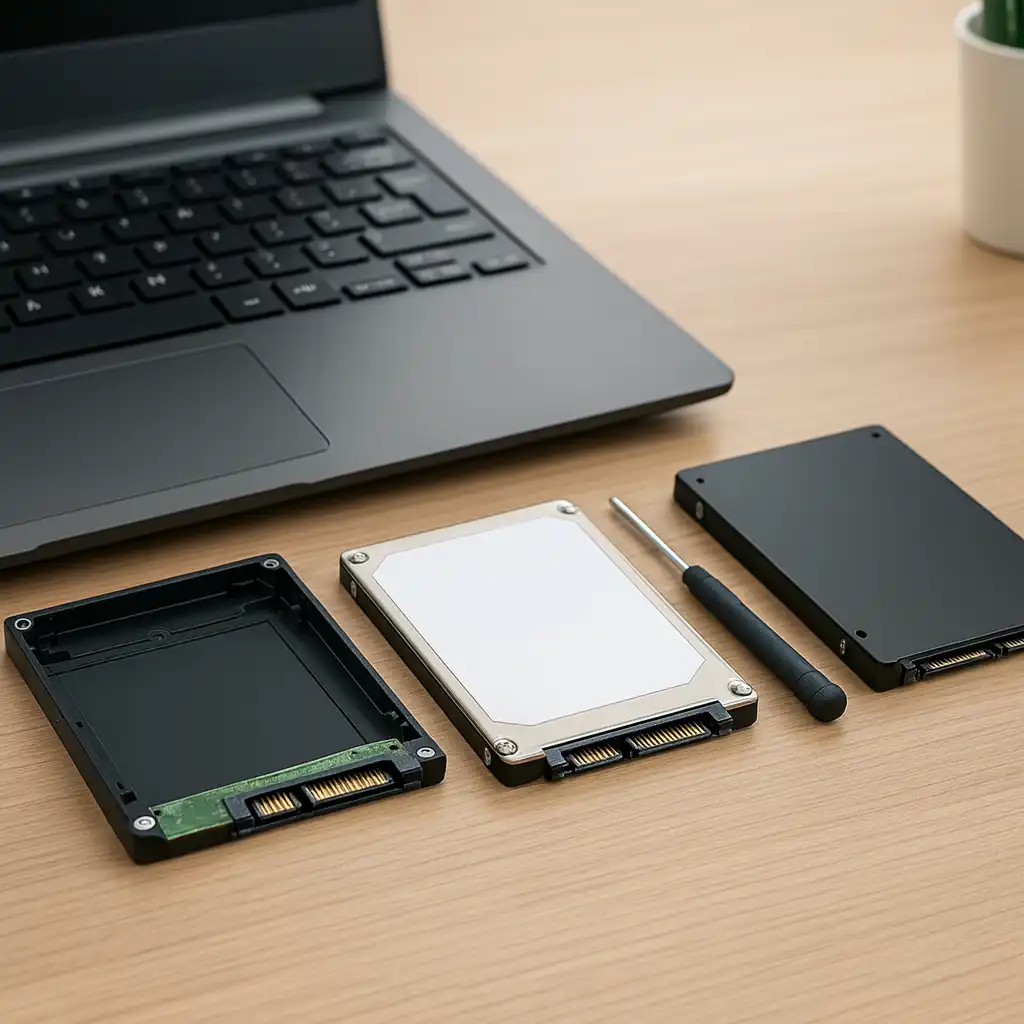
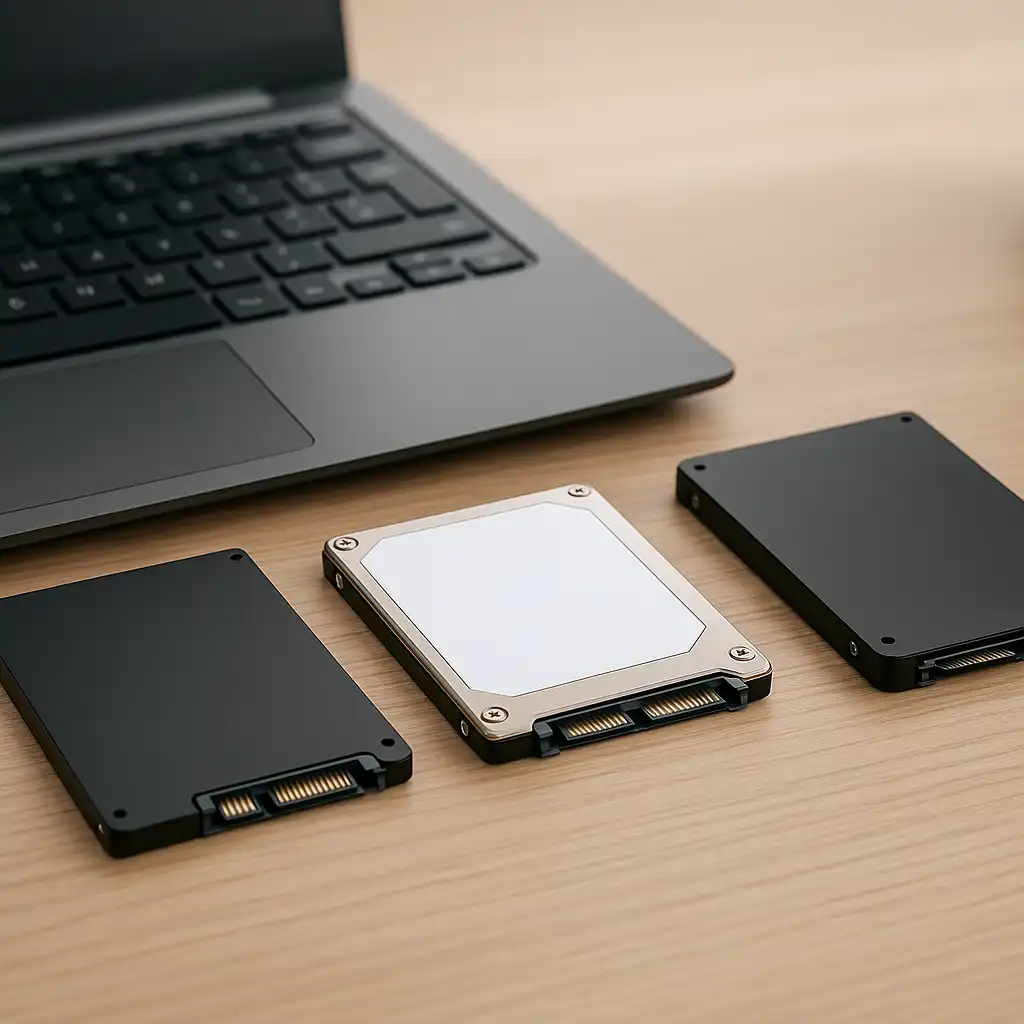
Choosing the best laptop computer with SSD drive ensures faster boot times, quicker application launches, and smoother everyday performance. Solid-state drives (SSDs) use flash memory instead of mechanical parts, which improves responsiveness compared to traditional HDD storage.
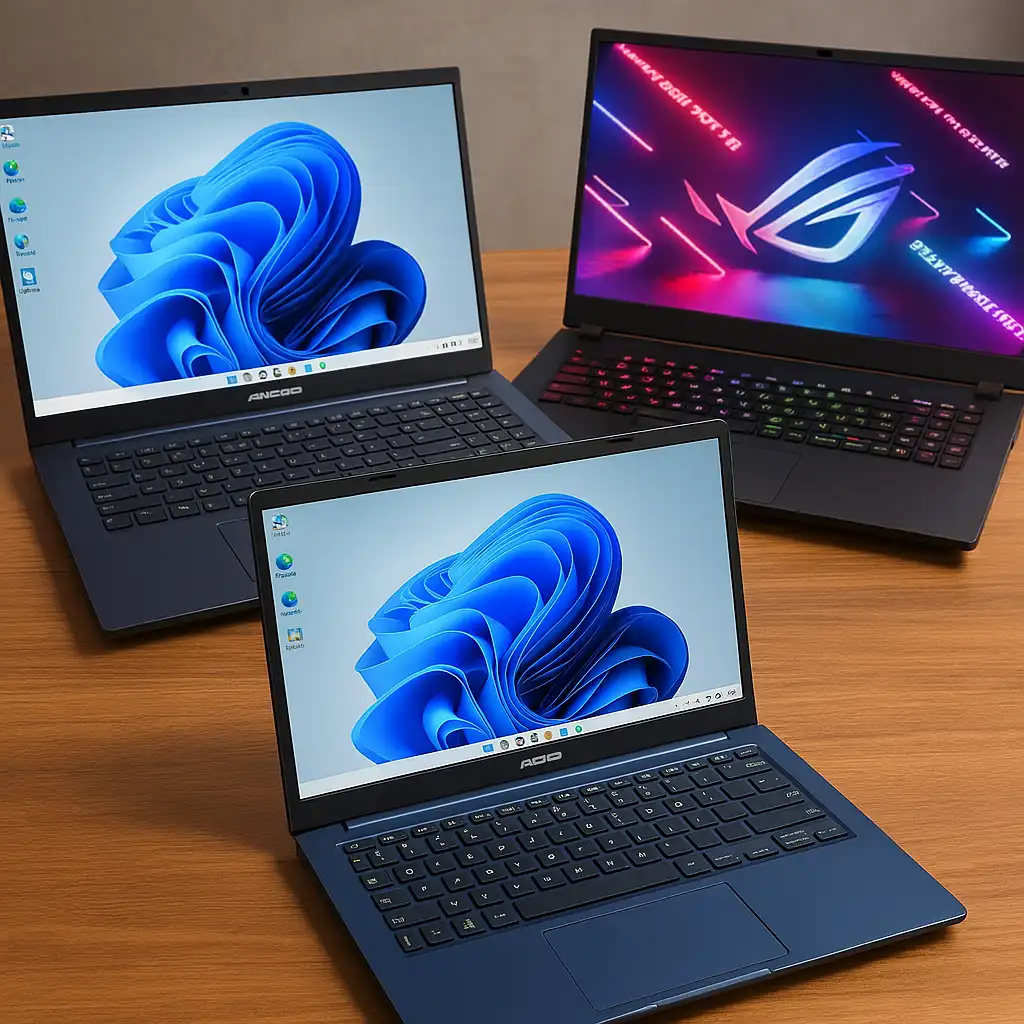
This guide compares three SSD-equipped laptops based on manufacturer specifications, processor class, RAM capacity, and storage size to help students, professionals, and home users find the right fit.
👉 If you’re exploring upgrade options instead of buying new, see our complete guide to the best laptop ssd upgrade.
💰 Check Price & Availability
View on Amazon– Acer Aspire 5 A515-57-53T2 (12th Gen i5, 8GB RAM, 512GB SSD)
View on Amazon– ASUS VivoBook 16 (Ryzen 7 7730U, 8GB RAM, 1TB SSD)
View on Amazon– Dell Inspiron 16 5640 (Intel Core 7-150U, 16GB RAM, 1TB SSD)
📋 Quick-View Comparison List
Best Budget Performance: Acer Aspire 5 (i5, 8GB, 512GB SSD) for balanced everyday tasks
Best Large Storage Option: ASUS VivoBook 16 (Ryzen 7, 1TB SSD) for capacity flexibility
Best Multitasking Power: Dell Inspiron 16 (Core 7, 16GB RAM, 1TB SSD) for demanding workflows
🔍 Why SSD Storage Matters in a Laptop
An SSD significantly improves system responsiveness compared to HDD-based systems. Boot times, file transfers, and application launches benefit from the higher read and write speeds inherent to solid-state storage.
If you’re unsure what SSD means in practical terms, our guide on what does ssd mean on a laptop explains the technology and its advantages.
Capacity also plays a role. A 512GB SSD works well for general use, while 1TB offers more flexibility for media files, large software installs, and long-term storage needs.
🔍 How Much SSD Storage Do You Need?
For students and everyday office work, 512GB typically provides adequate space for documents, applications, and cloud-synced files.
For content creators, large game libraries, or users storing video and media collections, 1TB reduces storage pressure and minimizes the need for external drives.
If you want to understand how SSD upgrades affect performance, our guide on does ssd improve laptop performance covers the technical impact.
📦 Acer Aspire 5 A515-57-53T2 (12th Gen i5, 8GB RAM, 512GB SSD)
The Acer Aspire 5 A515-57-53T2 includes a 12th Gen Intel Core i5 processor, 8GB of RAM, and a 512GB SSD according to manufacturer specifications. This configuration is designed for everyday productivity, web browsing, and office applications.
The 512GB SSD provides sufficient space for coursework, work documents, and common applications. The 8GB RAM configuration supports moderate multitasking but may feel limited for heavier workloads.
This model suits students and home users looking for balanced performance at a practical price point.
📦 ASUS VivoBook 16 (Ryzen 7 7730U, 8GB RAM, 1TB SSD)
The ASUS VivoBook 16 features an AMD Ryzen 7 7730U processor paired with 8GB RAM and a 1TB SSD. Based on AMD specifications, the Ryzen 7 7730U offers multi-core performance suited for productivity and light creative workloads.
The 1TB SSD provides expanded storage flexibility compared to 512GB configurations. This helps users manage larger media files, software installations, and long-term data storage.
This laptop makes sense for users who prioritize capacity while maintaining strong processor performance.
📦 Dell Inspiron 16 5640 (Intel Core 7-150U, 16GB RAM, 1TB SSD)
The Dell Inspiron 16 5640 includes an Intel Core 7-150U processor, 16GB of RAM, and a 1TB SSD based on manufacturer data. The 16GB RAM configuration supports heavier multitasking and more demanding applications.
With 1TB of SSD storage, it provides strong long-term flexibility for professionals handling large project files or multitasking across productivity suites.
This model suits remote workers, business users, and students in technical fields who need both performance headroom and expanded storage.
📌 Key Takeaways
- SSD storage significantly improves boot speed and application loading
- 512GB suits general productivity; 1TB supports larger workloads
- 16GB RAM provides stronger multitasking capability
- Ryzen 7 and Intel Core 7 processors offer higher performance tiers
- SSD-equipped laptops are more responsive than HDD-based systems
🟢 FAQs
Q: Is an SSD better than an HDD in a laptop?
Yes. SSDs provide faster read and write speeds and have no moving parts, which improves responsiveness and durability compared to HDDs.
Q: Is 512GB enough for most users?
For general productivity and schoolwork, 512GB is typically sufficient. Larger media libraries or gaming installations may benefit from 1TB.
Q: Does more RAM matter if I already have an SSD?
Yes. RAM affects multitasking and how many applications can run smoothly at once, while SSDs primarily improve storage speed.
Q: Can I upgrade the SSD later?
Upgrade options depend on the laptop’s internal design and M.2 slot availability. Always verify specifications before purchasing.
✅ Conclusion
The best laptop computer with SSD drive depends on your workload and storage needs. The Acer Aspire 5 offers balanced everyday performance, the ASUS VivoBook 16 provides expanded 1TB capacity, and the Dell Inspiron 16 delivers stronger multitasking with 16GB RAM.
Matching processor capability, RAM size, and SSD capacity to your daily use ensures long-term responsiveness and storage flexibility.