Are 2-in-1 Laptops Durable? What to Expect Long Term
Disclosure: This post contains affiliate links. LaptopVoyager.com participates in the Amazon Associates Program and may earn commissions on qualifying purchases, at no extra cost to you.
Last Updated: January 2026
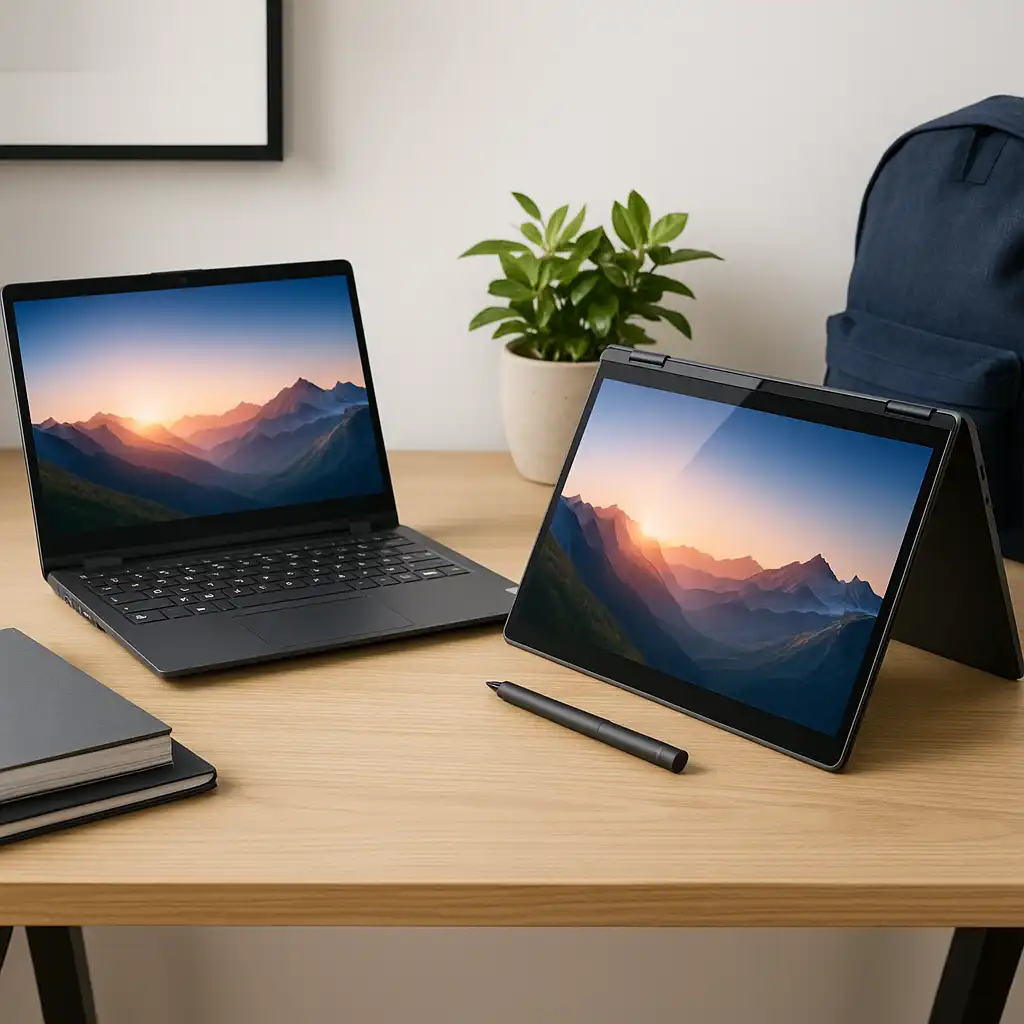
Durability is one of the most common concerns people have about 2-in-1 laptops. Convertible hinges, touchscreens, and detachable designs add flexibility—but they also introduce more moving parts compared to a traditional clamshell laptop.
At first glance, 2-in-1 laptops may seem more fragile. In reality, durability depends less on the form factor itself and more on how the device is designed, built, and used over time.
👉 If you’re still comparing designs, this overview of the best 2-in-1 laptops explains how different convertible styles are built.
Let’s break down how durable 2-in-1 laptops actually are, where wear tends to happen, and what matters most for long-term reliability.
🔍 Why Durability Is a Common Concern with 2-in-1 Laptops
2-in-1 laptops are mechanically more complex.
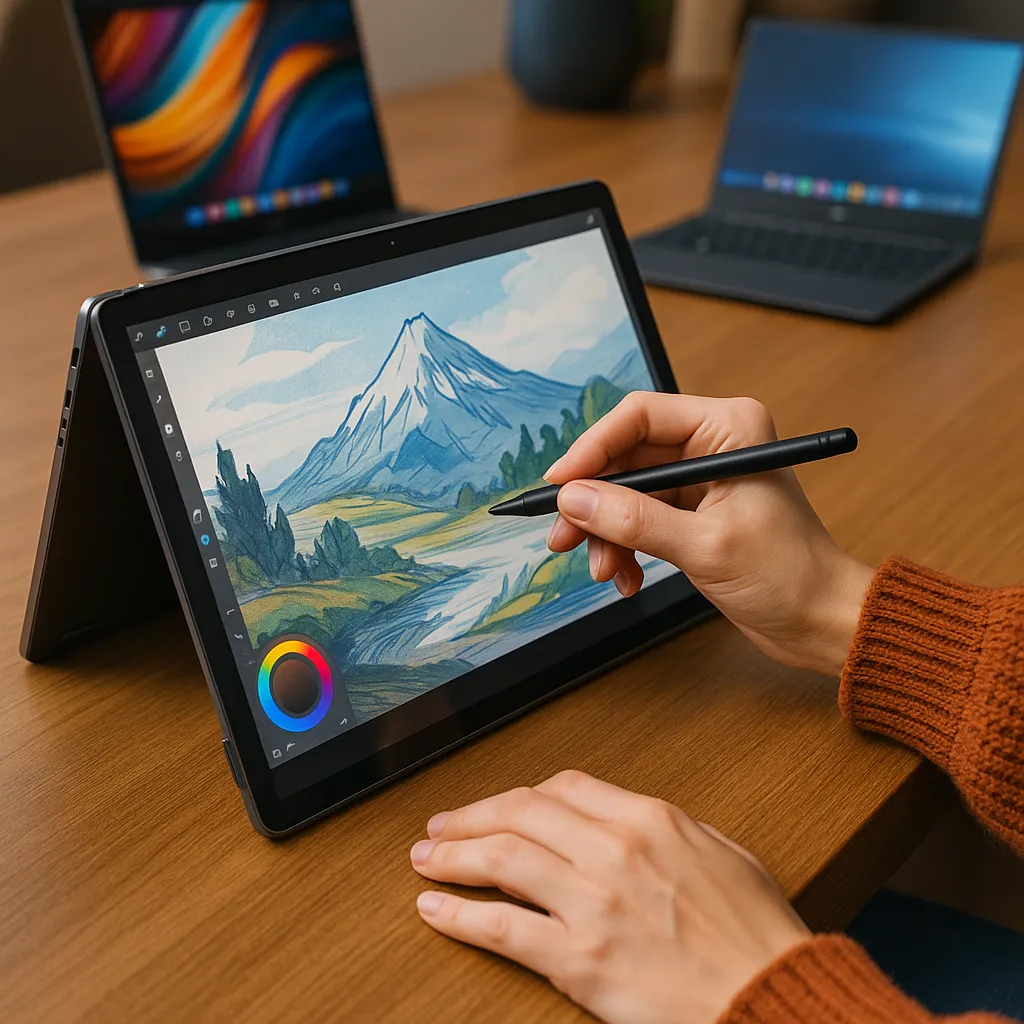
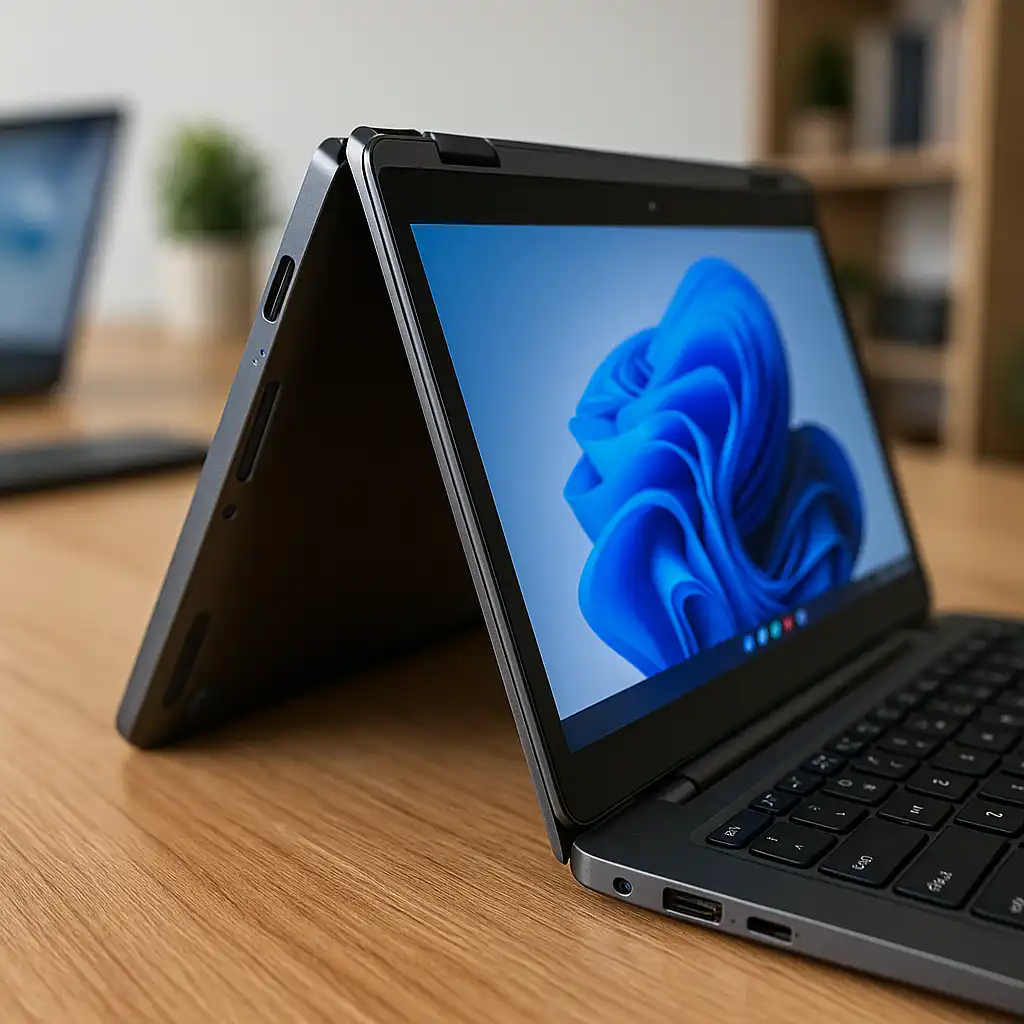
Convertible models rely on 360-degree hinges that rotate frequently. Detachable models place all components inside the screen, which changes how stress is distributed when the device is handled.
More moving parts don’t automatically mean poor durability—but they do make engineering quality more important.
🔍 Hinge Design and Long-Term Wear
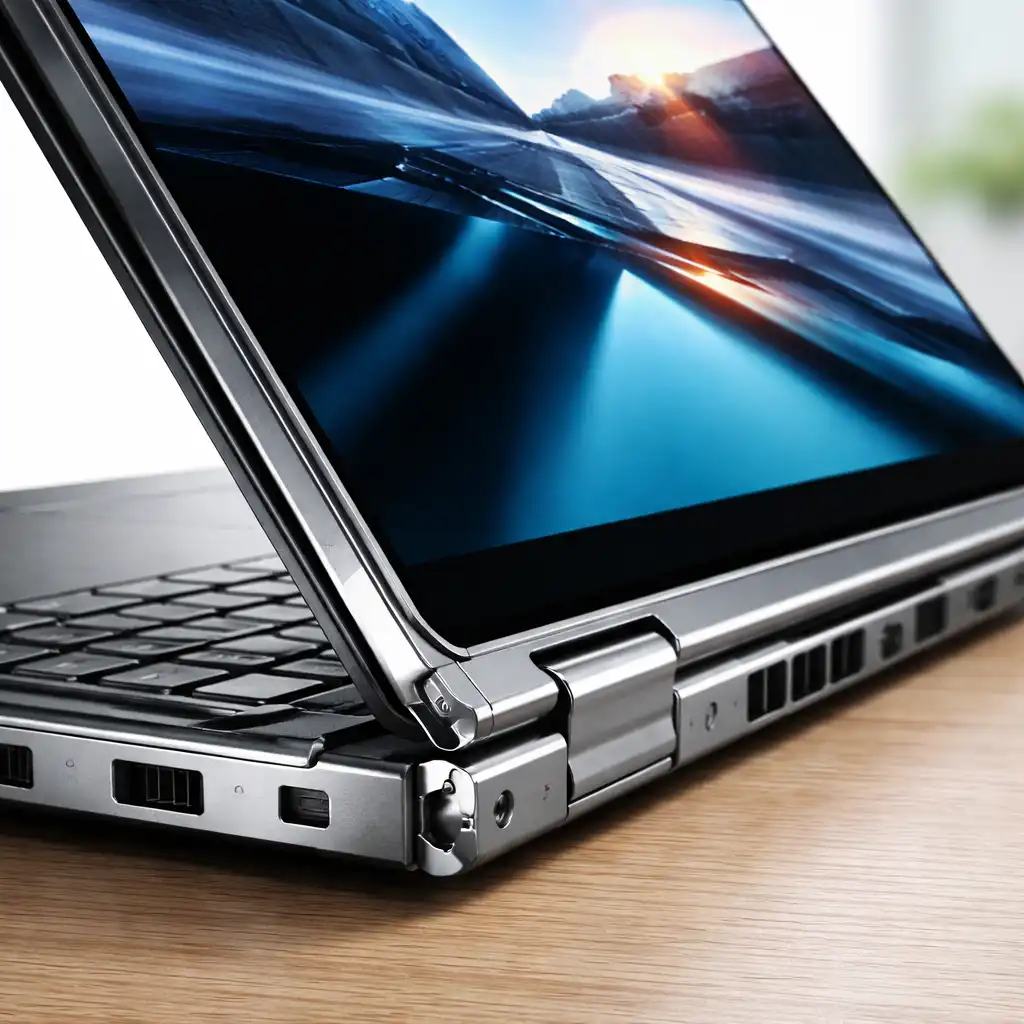
The hinge is the most critical durability factor in a 2-in-1 laptop.
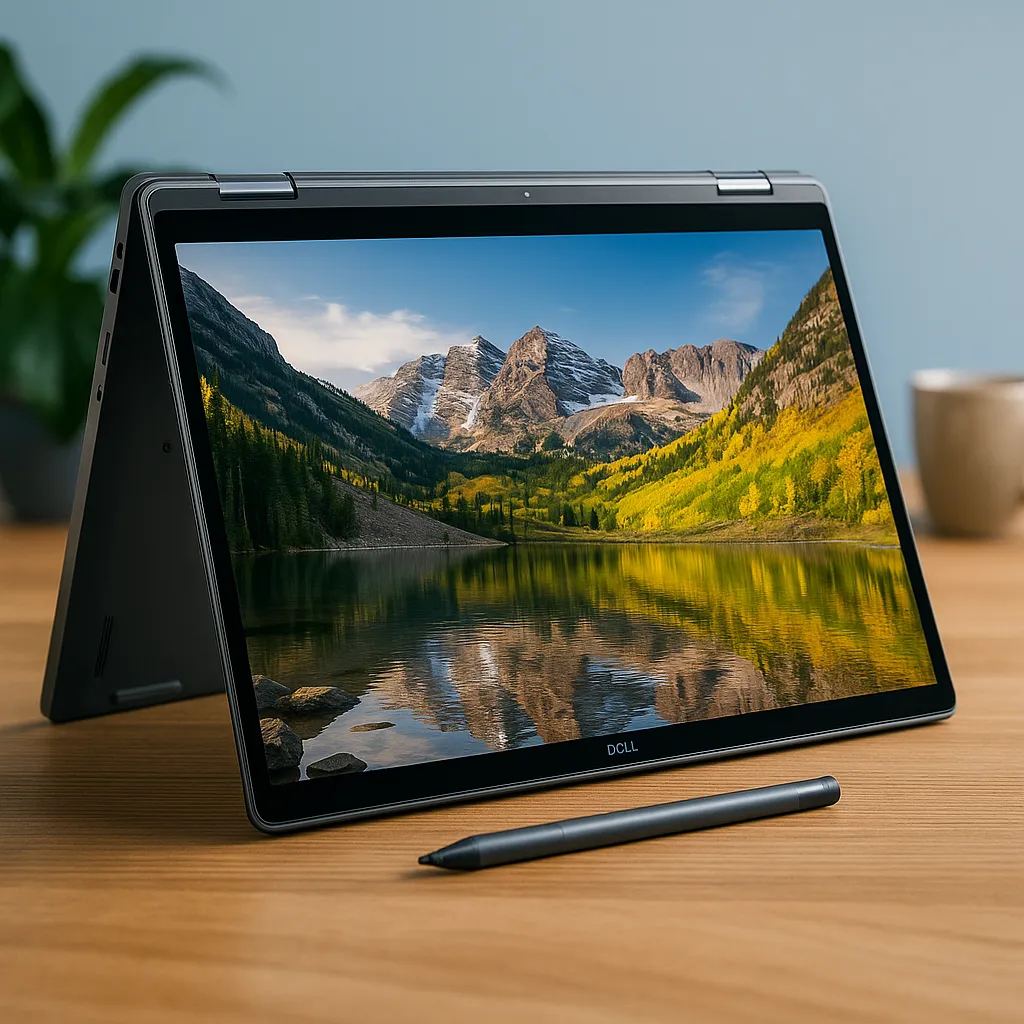
Well-designed hinges are tested for thousands of open-and-close cycles and are built to maintain tension over time. Poorly designed hinges can loosen, creak, or fail after extended use.
This is one area where higher-quality models often justify their price through better materials and tighter tolerances.
🔍 Touchscreens and Glass Protection
Touchscreens add another durability variable.
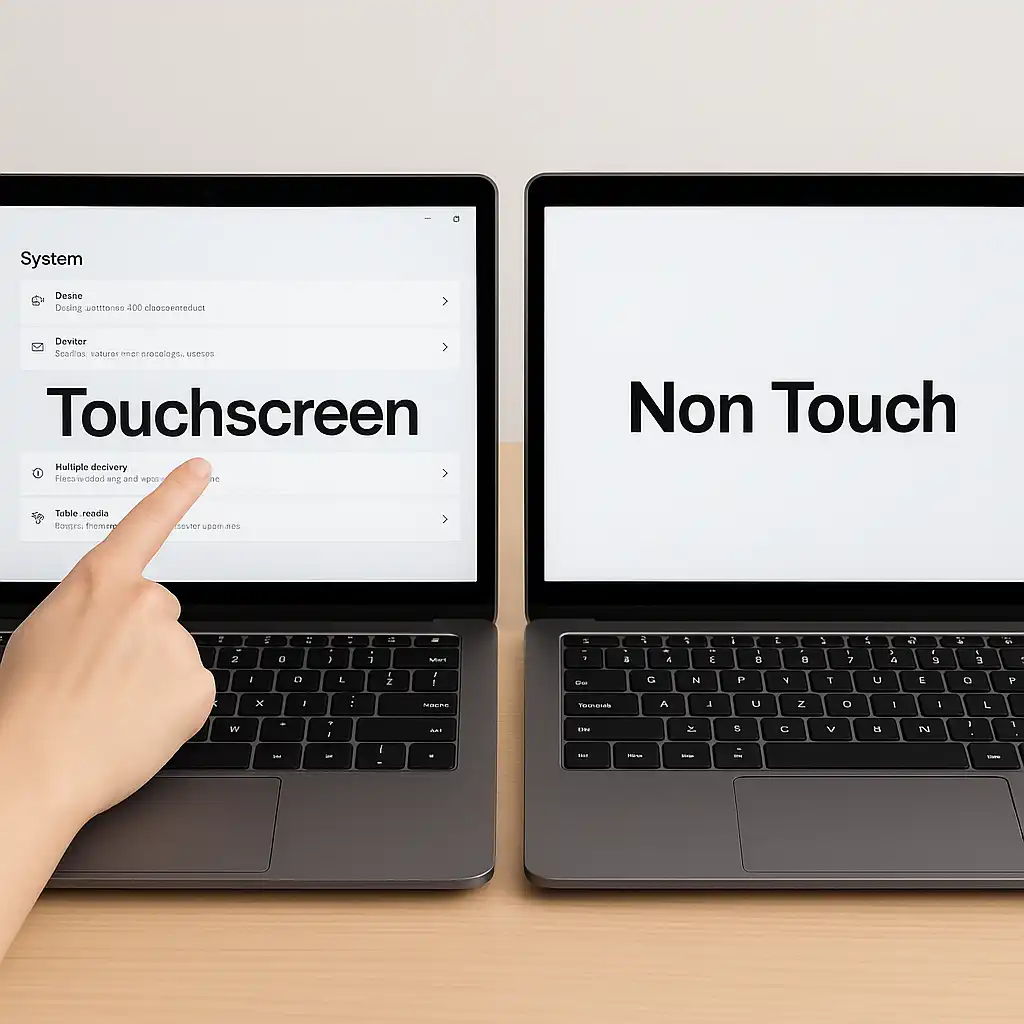
Most modern 2-in-1 laptops use reinforced glass designed to resist scratches and minor impacts. However, touchscreens are still more exposed than traditional laptop displays, especially in tablet mode.
Using the device carefully and avoiding pressure on the screen when closed plays a role in long-term reliability.
🔍 Convertible vs Detachable Durability Differences
Convertible and detachable designs age differently.
Convertible 2-in-1 laptops spread weight across the keyboard base, which can improve balance and structural rigidity. Detachable models concentrate all components in the screen, which can make them feel more fragile if handled roughly.
Neither design is inherently weak, but convertibles tend to feel sturdier during long-term, everyday use.
🔍 Materials and Build Quality Matter More Than Form Factor
Chassis materials play a major role in durability.
Aluminum and magnesium alloy bodies generally resist flex and wear better than plastic designs. Reinforced corners, solid hinge mounts, and tight panel fit all contribute to a longer lifespan.
A well-built 2-in-1 often outlasts a cheaply made regular laptop.
🔍 How Usage Habits Affect Durability
How a laptop is used matters as much as how it’s built.
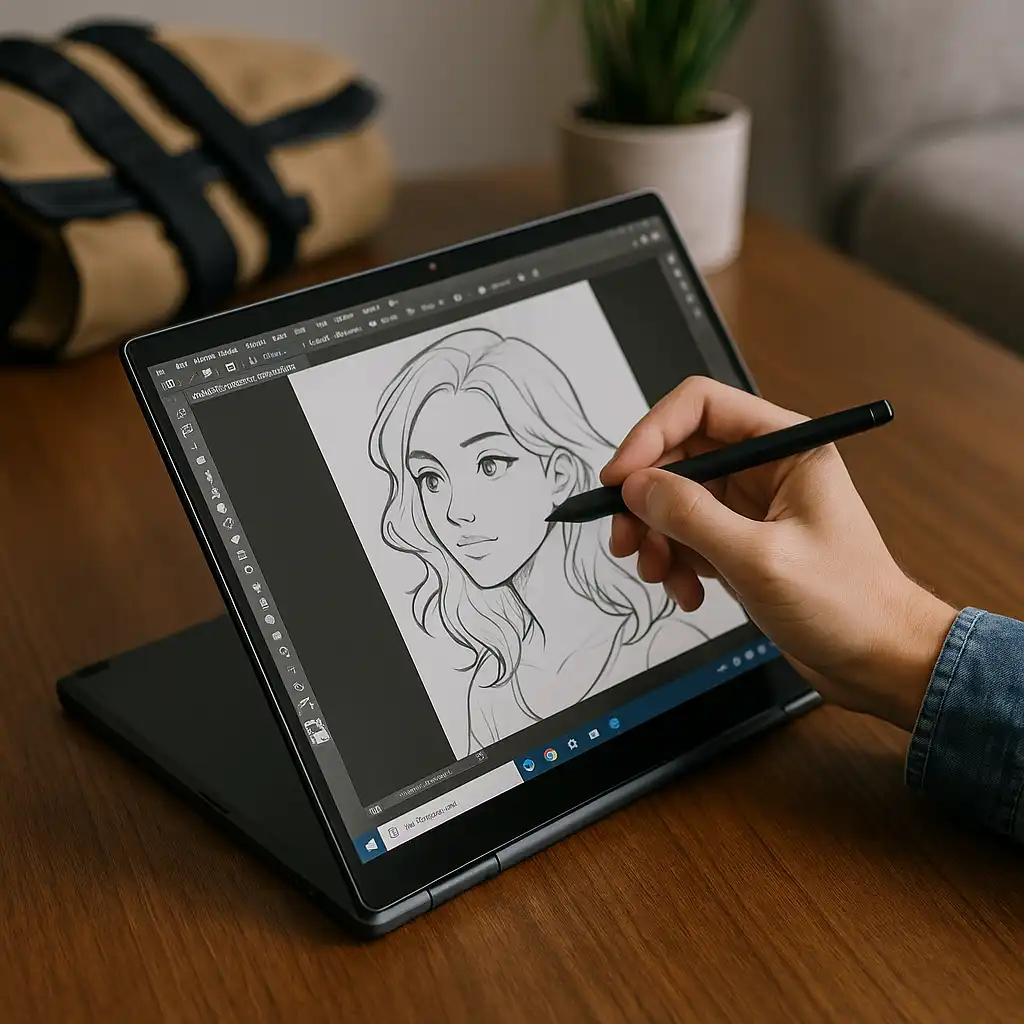
Frequent mode switching, tablet use while standing, and carrying the device without protection increase wear. Using a sleeve, avoiding pressure on the screen, and opening the lid properly all help extend lifespan.
Most durability issues come from daily handling rather than manufacturing defects.
🔍 How 2-in-1 Durability Compares to Regular Laptops
Regular laptops benefit from simpler designs.
With fewer moving parts and no rotating hinges, they generally experience less mechanical stress. That said, a high-quality 2-in-1 can be just as reliable as a regular laptop when used within its design limits.
Durability is more about build quality than whether the laptop folds.
📌 Key Takeaways
- 2-in-1 laptops have more moving parts than regular laptops
- Hinge quality is the most important durability factor
- Touchscreens add exposure but use reinforced glass
- Convertible designs often feel sturdier than detachables
- Build materials matter more than the form factor itself
- Careful handling plays a major role in long-term reliability
🟢 FAQs
Q: Do 2-in-1 laptop hinges wear out faster?
Quality hinges are designed for long-term use, but cheaper designs can loosen over time.
Q: Are detachable 2-in-1 laptops less durable?
They can feel more fragile due to weight distribution, but durability depends on build quality.
Q: Can a 2-in-1 laptop last as long as a regular laptop?
Yes, especially if it’s well-built and used carefully.
Q: What causes most durability issues?
Daily handling, drops, pressure on the screen, and hinge misuse cause more problems than normal wear.
✅ Conclusion
2-in-1 laptops are not inherently fragile, but they demand better design and more careful use than traditional laptops. When built with quality materials and well-engineered hinges, they can last just as long as regular laptops.
If flexibility is central to your workflow, a well-made 2-in-1 can be a reliable long-term choice. Matching build quality to how you plan to use the device matters far more than the form factor alone.