Are Touchscreen Laptops Durable? – What to Expect Long Term
Disclosure: This post contains affiliate links. LaptopVoyager.com participates in the Amazon Associates Program and may earn commissions on qualifying purchases, at no extra cost to you.
Last Updated: February 2026
Touchscreen laptops add a digitizer layer on top of the display, which naturally raises questions about long-term durability. Many buyers wonder whether tapping, swiping, and daily interaction will make the screen more prone to damage.
In reality, durability depends more on build quality and materials than on the presence of touch functionality alone.
👉 If you’re comparing different sizes and build types, our guide to the best touchscreen laptops breaks down models across categories.
🔍 Do Touchscreens Break More Easily?
Modern touchscreen laptops typically use reinforced glass layers similar to those found in tablets. Many manufacturers integrate strengthened glass to help resist scratches and minor impacts.
However, touchscreen panels are still glass. Excessive pressure, drops, or heavy objects in a backpack can cause cracks—just like on non-touch laptops with glass-covered displays.
Durability often depends more on chassis rigidity and hinge strength than on the touchscreen itself.
🔍 Hinge Strength & Structural Design
One of the most overlooked durability factors is hinge construction.
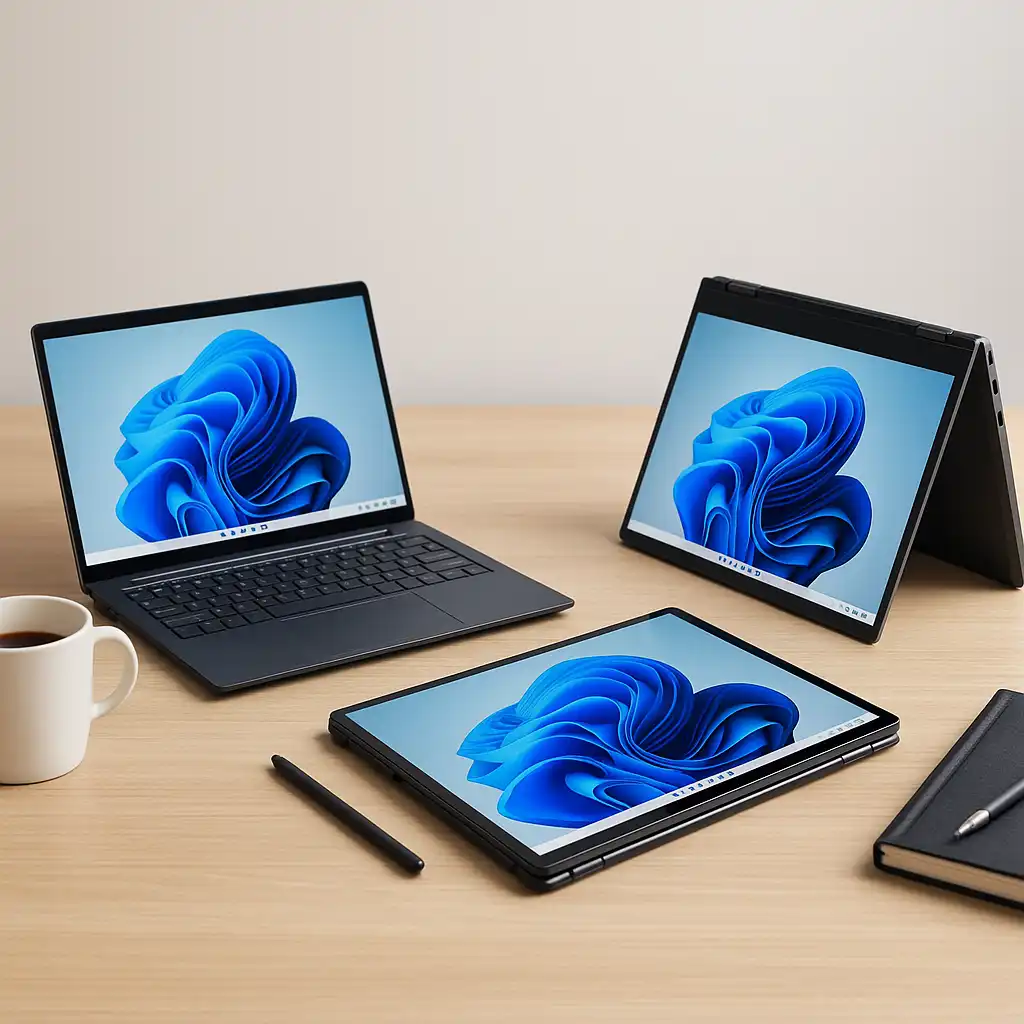
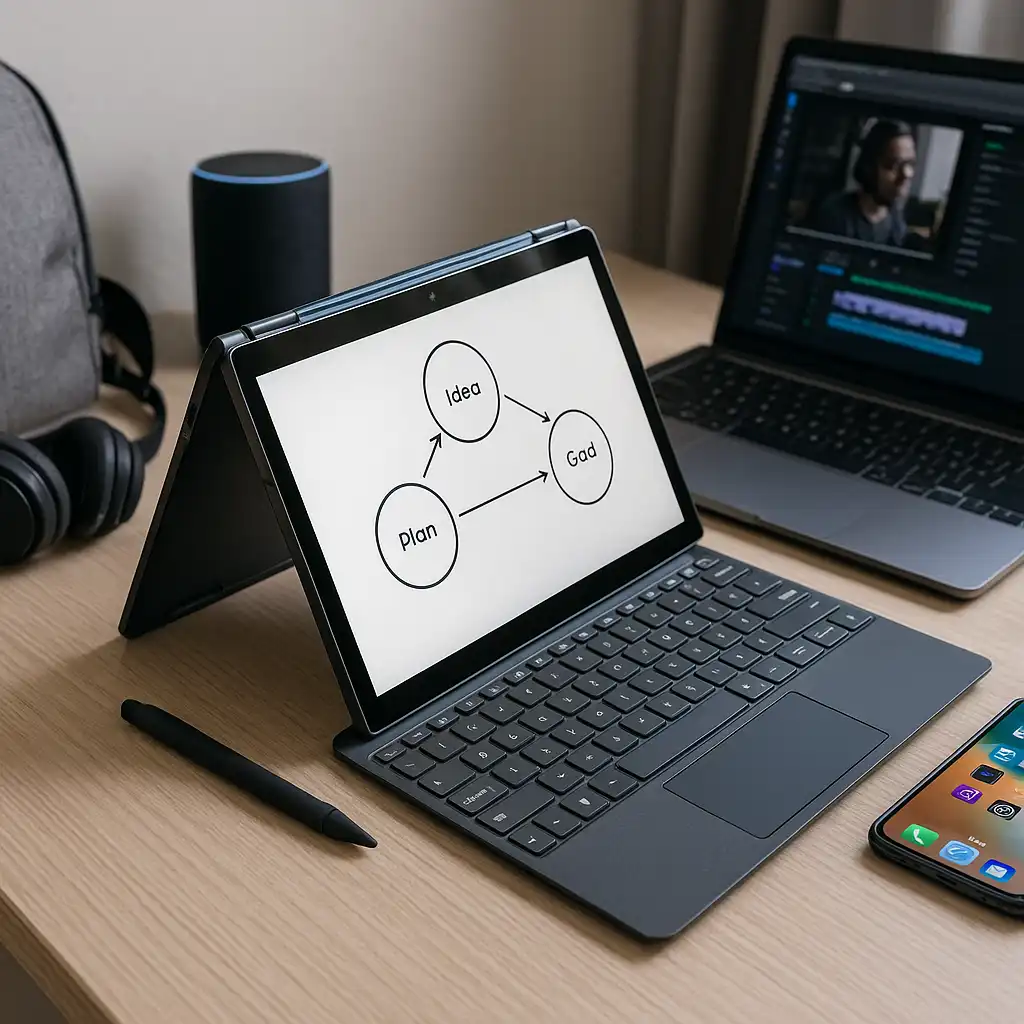
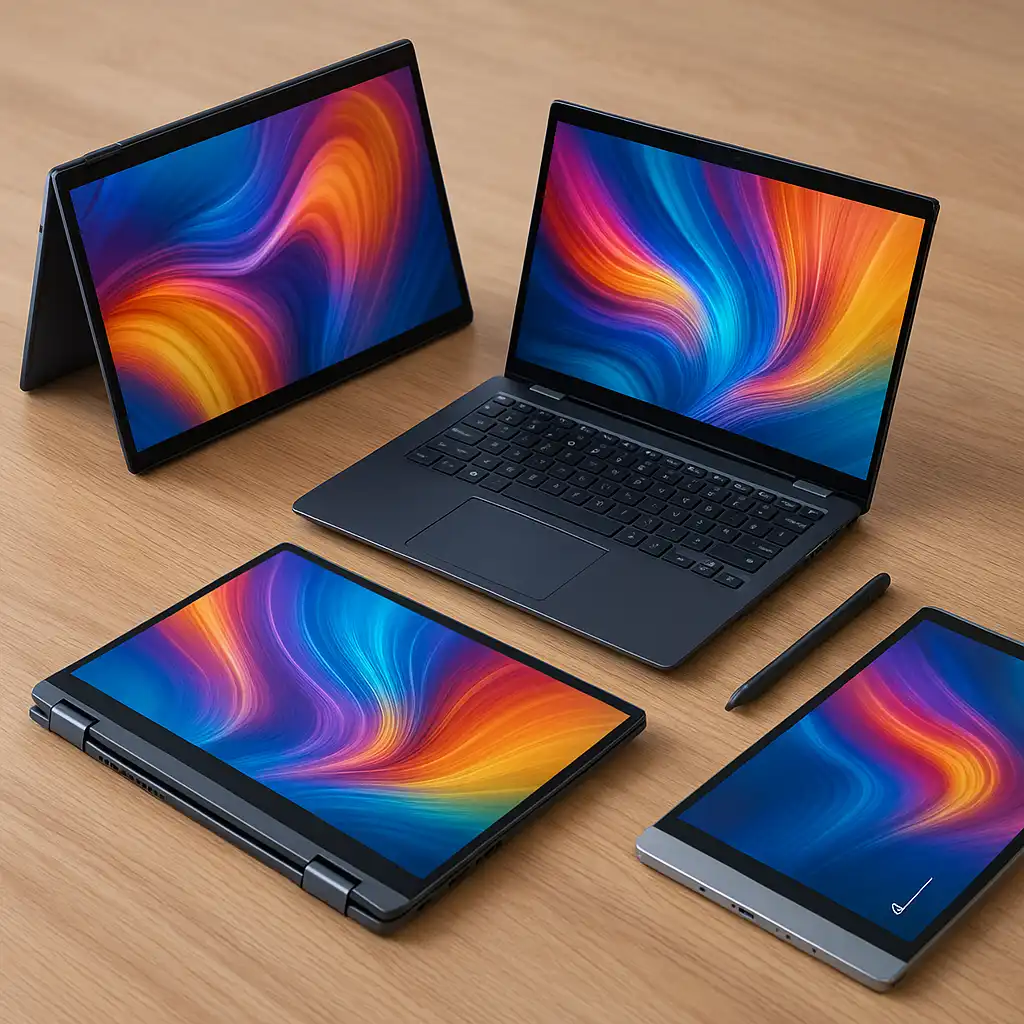
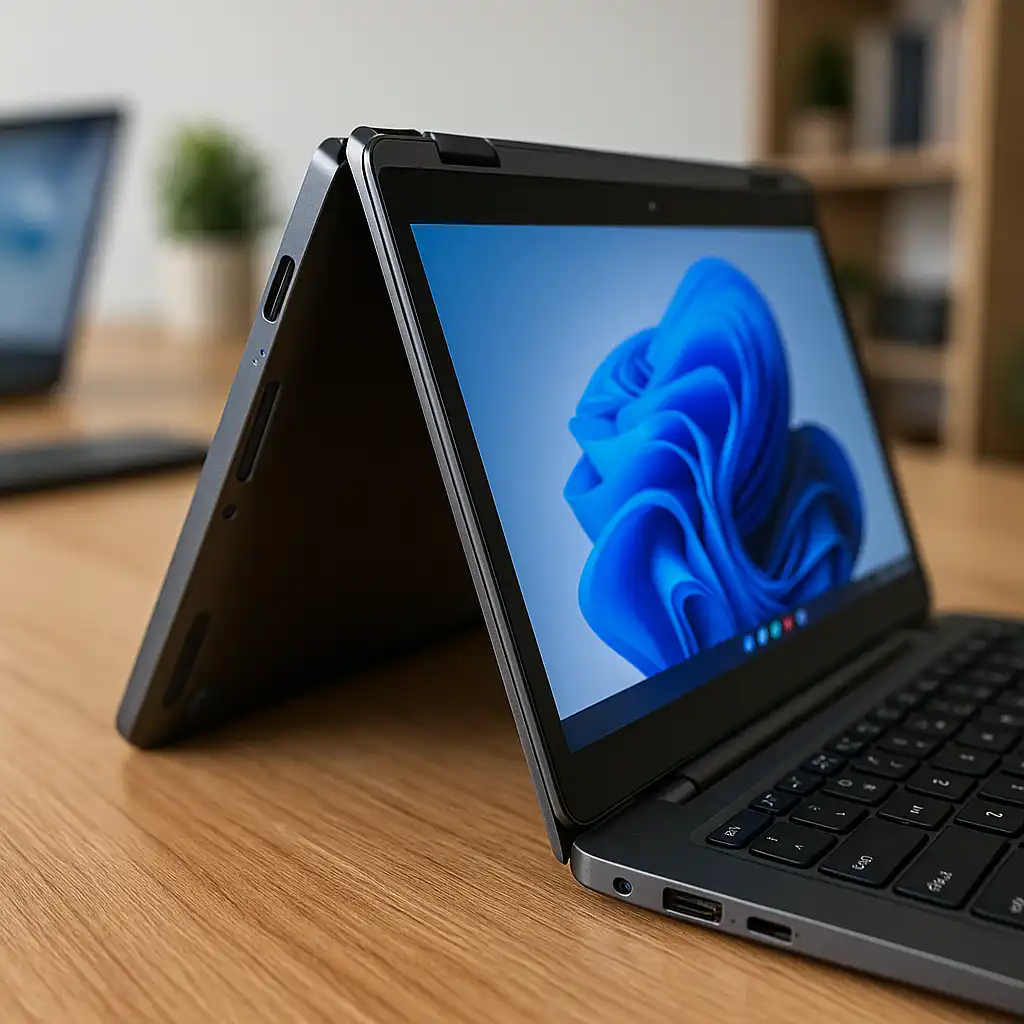
Touchscreen laptops—especially 2-in-1 models—often have reinforced hinges to support frequent opening, closing, and sometimes tablet-mode rotation. Higher-quality hinges reduce long-term wear and display wobble.
Traditional clamshell designs may experience less hinge stress compared to fully convertible models.
🔍 Does Tapping Damage the Screen?
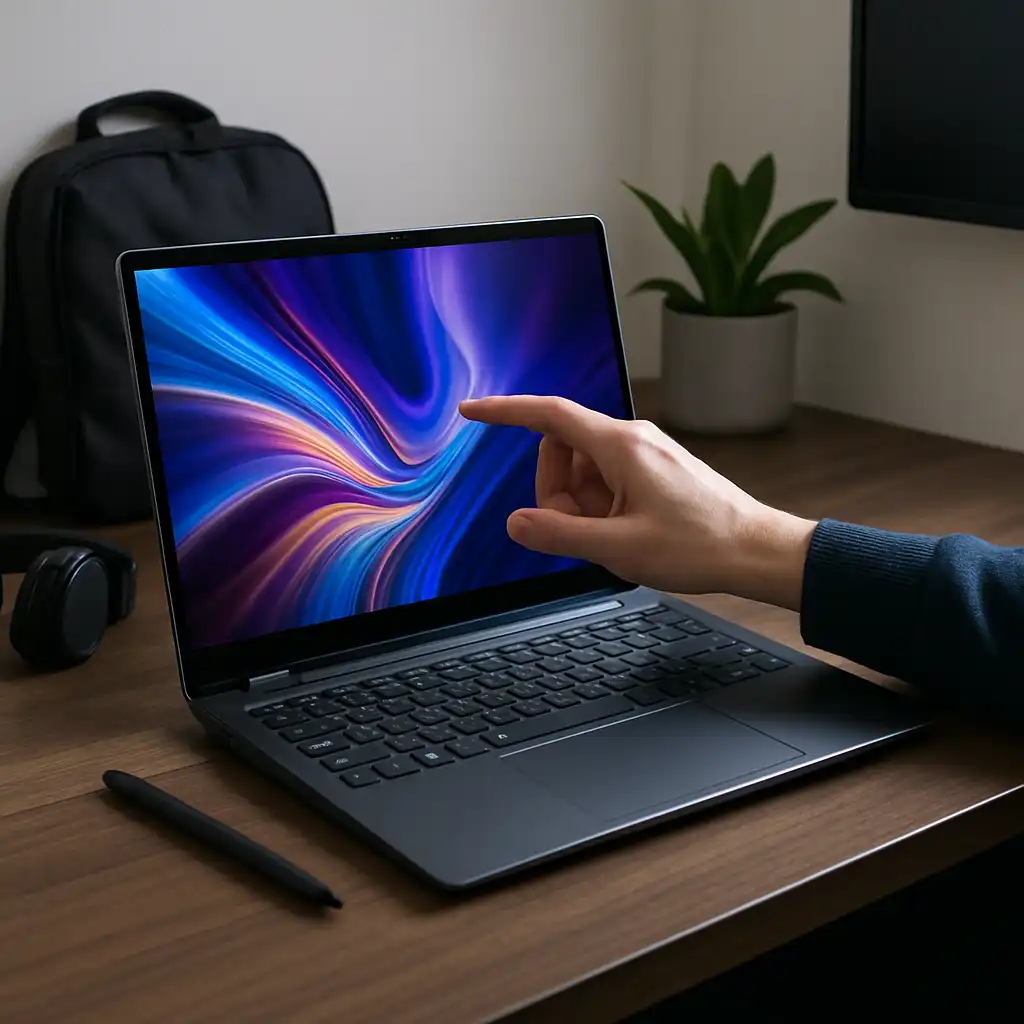
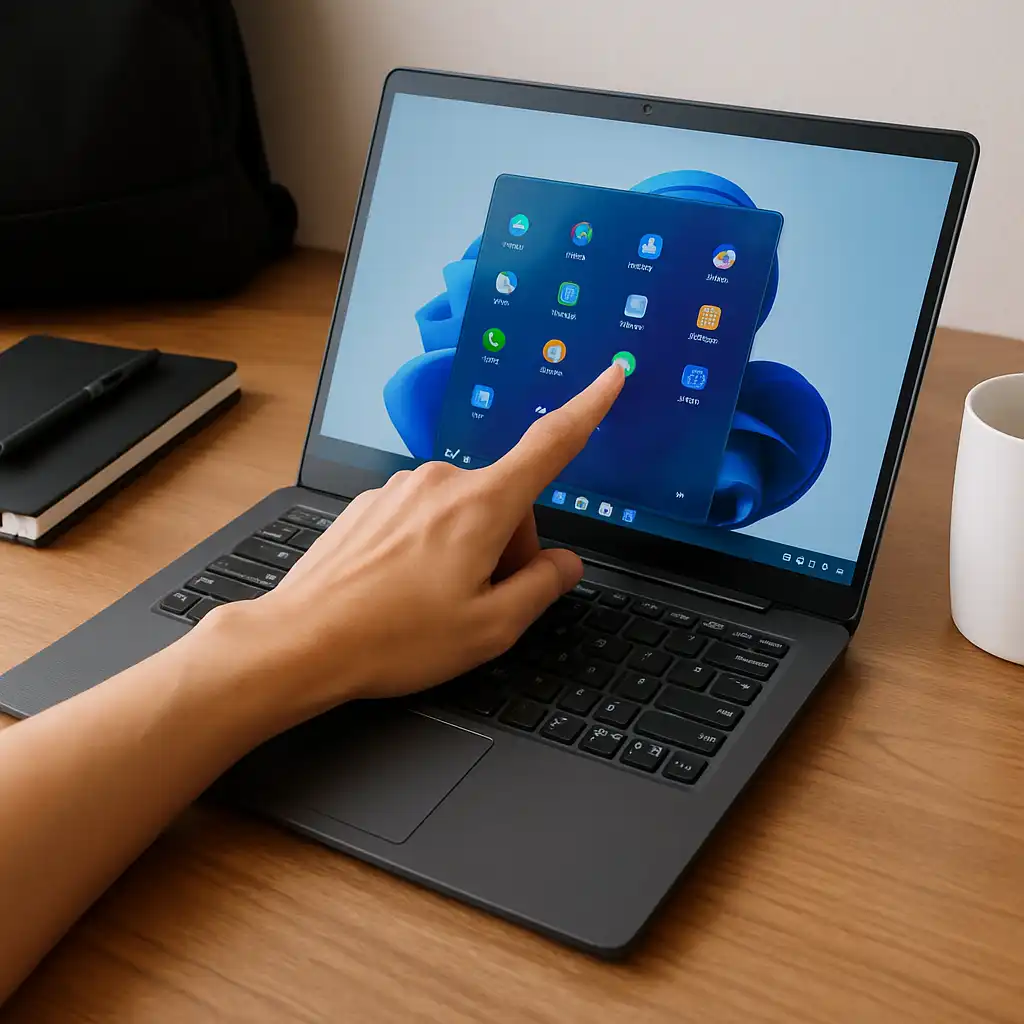
Normal finger taps and stylus use are part of the design specification. These panels are engineered for regular interaction.
Problems typically arise from excessive force or sharp objects. Using the correct stylus type and avoiding hard pressure helps maintain screen integrity.
Proper maintenance also plays a role. Here’s how to clean a touchscreen laptop safely without damaging the panel coating.
🔍 Scratch Resistance & Everyday Wear
Touchscreen laptops are more exposed to fingerprints and micro-scratches simply because they are touched frequently.
Models with hardened glass coatings tend to resist scratches better than budget plastic-coated panels. Thinner ultrabooks may prioritize portability over heavy structural reinforcement.
If portability is your priority, smaller builds can sometimes experience less chassis flex. You can compare compact options in our guide to the best 13-inch laptop with touch screen.
🔍 Battery & Internal Durability
Touchscreen capability itself does not significantly affect internal component lifespan.
Thermal management, cooling design, and component quality have a larger impact on long-term reliability. Touchscreens primarily influence the display layer rather than CPU, RAM, or storage durability.
🔍 Are 2-in-1 Models Less Durable?
Convertible 2-in-1 laptops have more moving parts due to rotating hinges.
While many business-class convertibles are engineered for durability, lower-cost models may experience hinge wear over time. Choosing a device with reinforced hinge mechanisms can reduce long-term risk.
📌 Key Takeaways
- Touchscreens use reinforced glass designed for regular interaction
- Durability depends more on build quality than touch capability
- Hinge strength plays a major role in long-term reliability
- Proper cleaning and handling reduce scratch risk
- Convertible models require stronger hinge construction
🟢 FAQs
Q: Are touchscreen laptops more fragile than regular laptops?
Not necessarily. They use glass panels, but overall durability depends on materials and construction quality.
Q: Can frequent tapping damage the screen?
Normal tapping is within design limits. Excessive force or sharp objects can cause damage.
Q: Do touchscreen laptops crack more easily?
Cracking risk depends on impact and handling rather than touchscreen technology alone.
Q: Are business touchscreen laptops more durable?
Business-class models often include reinforced hinges and sturdier chassis materials.
✅ Conclusion
Touchscreen laptops are generally durable when built with quality materials and used properly. The touchscreen layer itself is designed for daily interaction, but hinge strength and chassis construction have a larger influence on long-term reliability.
If durability is a primary concern, focus on build quality, hinge engineering, and proper care rather than avoiding touch functionality altogether.