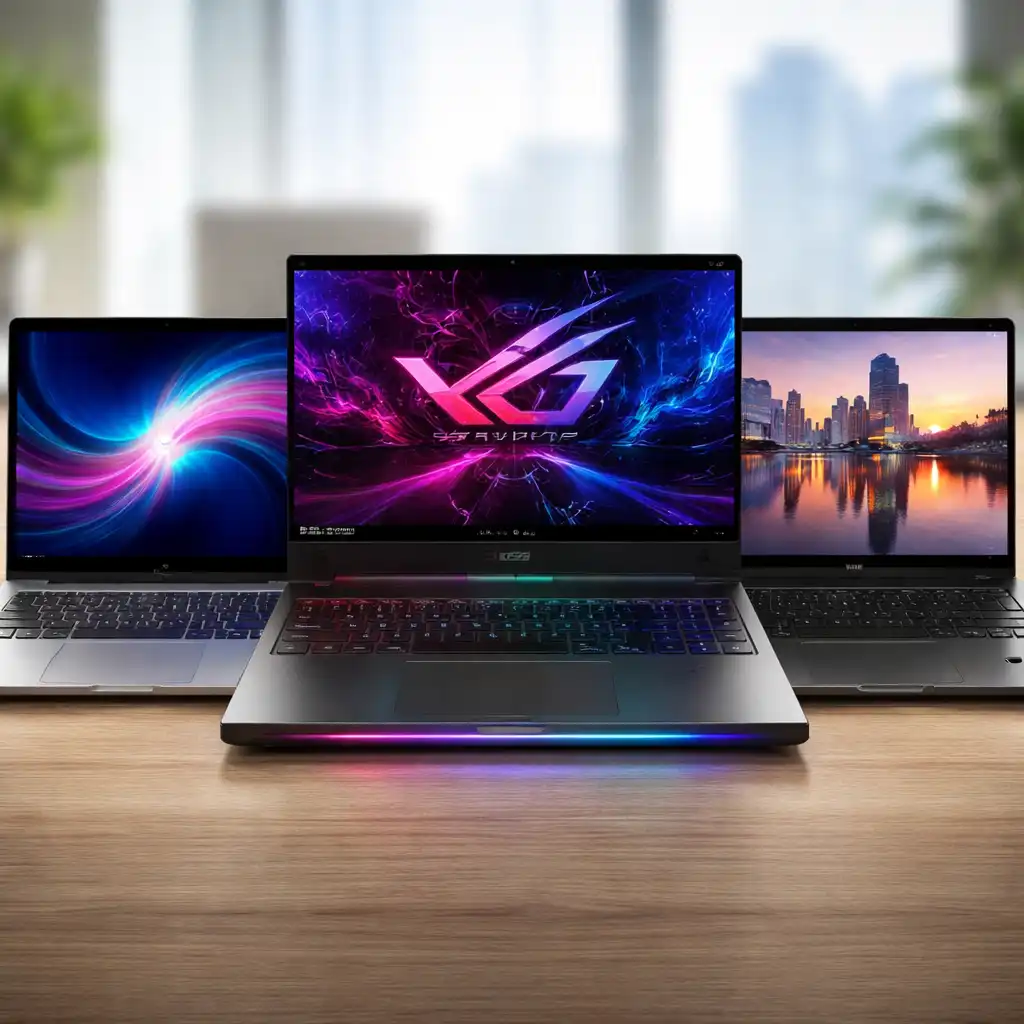
Best Intel Core Ultra Laptops – Performance and Efficiency Picks
Disclosure: This post contains affiliate links. LaptopVoyager.com participates in the Amazon Associates Program and may earn commissions on qualifying purchases, at no extra cost to you.
Last Updated: March 2026
Intel’s Core Ultra processors represent a newer generation of laptop CPUs designed to balance performance, efficiency, and AI capabilities. These chips combine performance cores, efficiency cores, and integrated AI engines to support modern workloads such as multitasking, content creation, and productivity tasks.
Laptop manufacturers now include Intel Core Ultra processors in a wide range of devices, from high-performance gaming systems to ultra-portable business laptops.
👉 If you want to compare processors across different laptop brands and architectures, see our guide to best laptop processor.
This guide highlights several laptops equipped with Intel Core Ultra processors and explains how these chips influence performance, battery life, and everyday computing workloads.
💰 Check Price & Availability
View on Amazon – Dell 16 Plus (Core Ultra 9 288V)
View on Amazon – ASUS ROG Strix G16 (Core Ultra 9 275HX)
View on Amazon – Lenovo ThinkPad X1 Carbon Gen 13 (Core Ultra 7 255U)
📋 Quick-View Comparison List
Best for Premium Performance: Dell 16 Plus – Core Ultra 9 288V with powerful multi-core performance
Best for Gaming: ASUS ROG Strix G16 – Core Ultra 9 275HX designed for demanding workloads
Best Business Laptop: Lenovo ThinkPad X1 Carbon Gen 13 – Core Ultra 7 255U focused on efficiency and portability
🔍 What Makes Intel Core Ultra Processors Different
Intel Core Ultra processors introduce architectural changes designed to improve performance efficiency and AI capabilities.
These processors combine multiple types of cores that handle different workloads. Performance cores manage demanding tasks, while efficiency cores handle background processes and lighter workloads.
Many Core Ultra chips also include integrated neural processing units (NPUs) that support AI-related features such as background noise reduction, image processing, and system optimization.
If you want to understand how processor specifications influence real-world performance, our guide on does cpu affect laptop speed explains how CPUs impact system responsiveness.
📦 Dell 16 Plus (Core Ultra 9 288V)
The Dell 16 Plus is a premium productivity laptop built around Intel’s Core Ultra 9 288V processor.
According to Intel specifications, processors in the Ultra 9 category target high-performance laptops designed for demanding workloads such as content creation, multitasking, and productivity software.
Laptops in this category often include large displays, fast SSD storage, and higher memory capacities to support professional workloads.
The Dell 16 Plus is typically positioned as a productivity-focused laptop capable of handling complex workloads while maintaining good battery efficiency.
📦 ASUS ROG Strix G16 (Core Ultra 9 275HX)
The ASUS ROG Strix G16 represents a high-performance gaming laptop built around the Core Ultra 9 275HX processor.
HX-series processors are designed for performance-focused laptops where power and cooling systems allow the CPU to operate at higher sustained speeds.
Gaming laptops in the ROG Strix lineup often pair these processors with dedicated graphics hardware and high-refresh displays designed for demanding games and intensive workloads.
According to manufacturer specifications, processors in this class are designed to support gaming, streaming, and multitasking workloads.
📦 Lenovo ThinkPad X1 Carbon Gen 13 (Core Ultra 7 255U)
The Lenovo ThinkPad X1 Carbon Gen 13 is designed as a premium business laptop built around the Core Ultra 7 255U processor.
U-series processors typically prioritize efficiency, battery life, and portability rather than maximum performance.
Business laptops equipped with processors like the Core Ultra 7 255U are commonly used for productivity software, video conferencing, and everyday multitasking tasks.
The ThinkPad X1 Carbon line is known for lightweight designs and enterprise features, making it a common choice for professionals who prioritize mobility.
🔍 Performance vs Efficiency in Core Ultra Laptops
Intel Core Ultra processors appear in different laptop categories depending on the processor series.
HX-series chips target high-performance laptops such as gaming systems and mobile workstations.
Meanwhile, U-series processors focus on energy efficiency and are typically used in thin-and-light productivity laptops.
Understanding these processor classes helps buyers select laptops that match their performance needs and usage patterns.
📌 Key Takeaways
- Intel Core Ultra processors combine performance cores and efficiency cores
- Many Core Ultra chips include integrated AI acceleration features
- HX-series processors power high-performance laptops and gaming systems
- U-series processors prioritize efficiency and battery life
- Laptop performance depends on balanced CPU, memory, and graphics hardware
🟢 FAQs
Q: What is Intel Core Ultra in laptops?
Intel Core Ultra processors are a newer generation of mobile CPUs designed to combine performance, efficiency, and AI capabilities for modern laptop workloads.
Q: Are Intel Core Ultra processors good for gaming?
High-performance Core Ultra HX-series processors can support gaming workloads when paired with capable graphics hardware.
Q: Do Core Ultra laptops have better battery life?
Many Core Ultra processors include efficiency-focused cores designed to improve power management and extend battery life depending on the laptop design.
✅ Conclusion
Intel Core Ultra processors introduce architectural improvements designed to support modern laptop workloads, including multitasking, productivity software, and AI-enhanced features.
By understanding the different processor series and laptop categories that use these chips, buyers can better determine which Core Ultra laptops best match their performance and portability needs.