Does CPU Affect Laptop Speed – How Processors Influence Performance
Disclosure: This post contains affiliate links. LaptopVoyager.com participates in the Amazon Associates Program and may earn commissions on qualifying purchases, at no extra cost to you.
Last Updated: March 2026
Laptop speed depends on several hardware components, including the processor, memory, storage drive, and graphics hardware. Among these components, the central processing unit (CPU) plays a key role in how quickly the system can process instructions and run software.
The processor coordinates tasks such as launching applications, processing data, and managing background system operations. Because of this, CPU capabilities often influence how responsive a laptop feels during everyday use.
👉 If you’re comparing processor types across different laptops, see our guide to best laptop processor.
This guide explains how CPUs affect laptop performance, what specifications matter most, and when upgrading other components may have a bigger impact on speed.
🔍 How the CPU Influences Laptop Performance
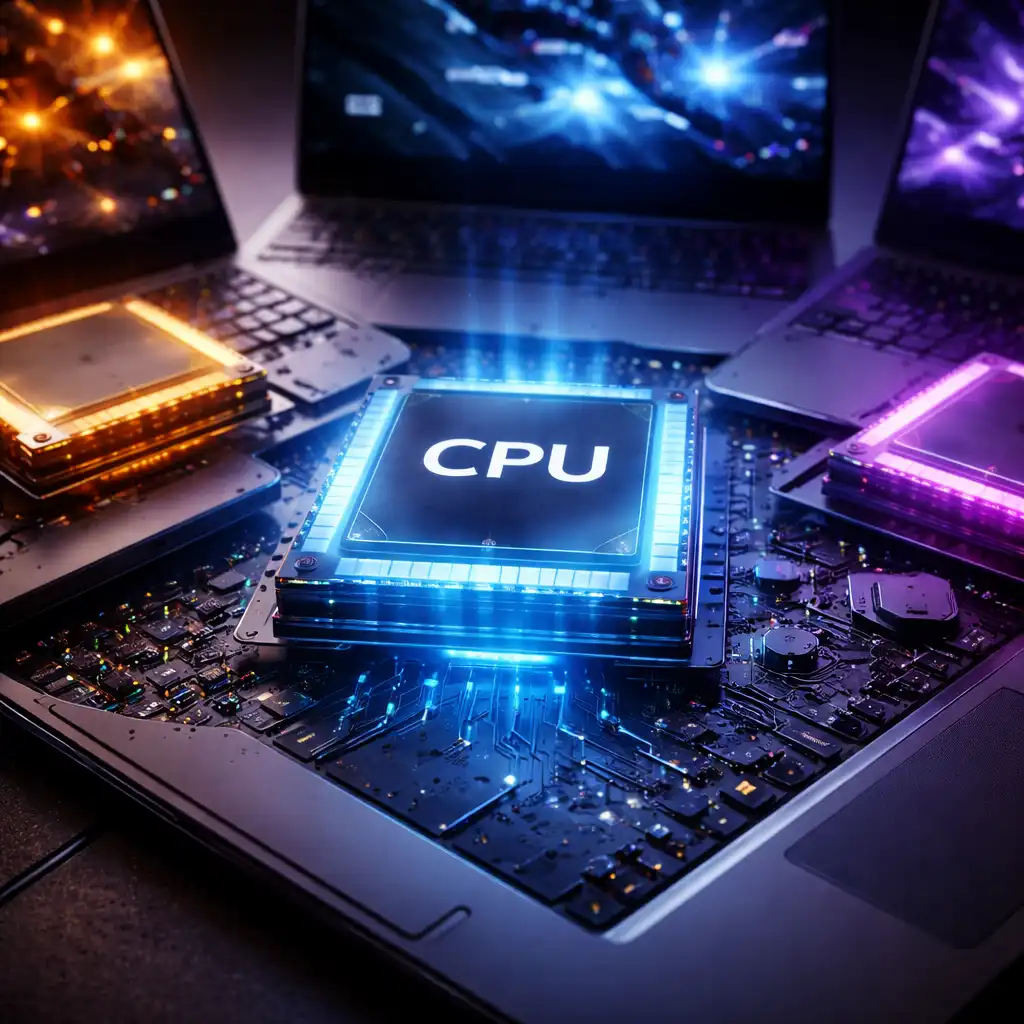
The CPU is responsible for executing instructions generated by software and the operating system. Every action on a laptop—from opening a browser tab to compiling code—requires processing tasks handled by the CPU.
Processors with higher performance capabilities can complete these calculations faster, which improves system responsiveness. According to manufacturer specifications and published benchmark comparisons, faster CPUs often reduce delays when launching programs or switching between tasks.
However, overall laptop speed also depends on RAM capacity and storage type, since these components influence how quickly data can be accessed and loaded.
🔍 CPU Clock Speed and Laptop Responsiveness
Clock speed, measured in gigahertz (GHz), represents how many processing cycles the CPU can perform per second.
Higher clock speeds allow the processor to handle individual instructions more quickly. This often improves performance in tasks that rely on single-thread processing, such as launching applications or running certain games.
If you’re exploring how clock speed relates to performance, our guide on what does ghz mean on a laptop explains how GHz values influence computing workloads.
🔍 Core Count and Multitasking Performance
Modern processors include multiple cores, allowing them to process several tasks simultaneously.
A laptop with more CPU cores can divide workloads across different processing units. This is especially useful for multitasking, content creation software, and applications designed to use parallel processing.
If you’re comparing processor configurations, our article on how many cores do you need in a laptop explains how core counts influence real-world performance.
🔍 CPU vs RAM vs SSD – What Affects Laptop Speed Most
Although the CPU contributes to laptop performance, other components can also affect system speed.
RAM capacity determines how many applications the system can run simultaneously without slowing down.
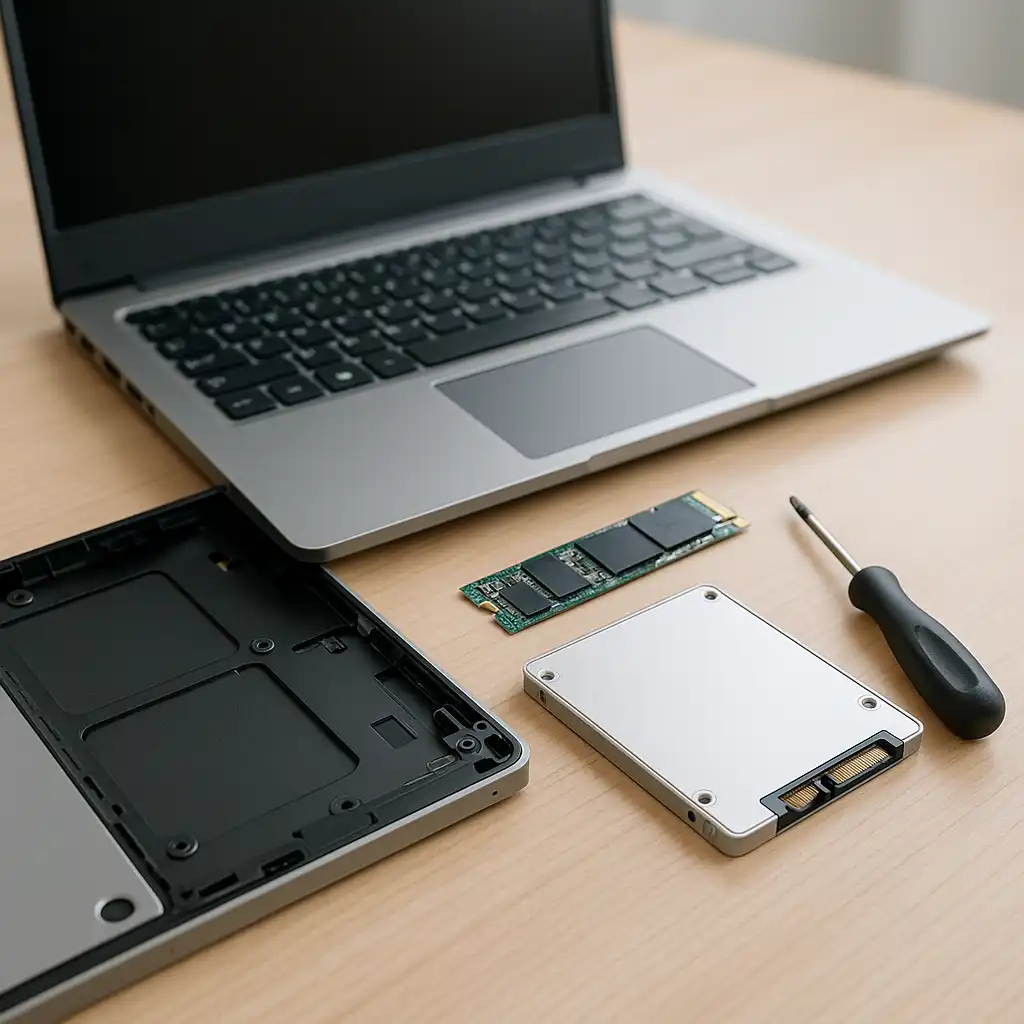
Solid-state drives (SSDs) influence how quickly files and programs load. SSD storage typically allows much faster data access compared with older mechanical hard drives.
In many systems, the fastest performance improvements occur when a capable CPU is combined with sufficient RAM and SSD storage.
📌 Key Takeaways
- The CPU processes instructions and influences overall laptop responsiveness
- Higher clock speeds often improve single-task performance
- More CPU cores help laptops manage multitasking workloads
- RAM and SSD storage also play major roles in system speed
- Balanced hardware configurations typically deliver the best performance
🟢 FAQs
Q: Does a better CPU make a laptop faster?
Yes. A more powerful processor can complete calculations more quickly, which often improves system responsiveness and application performance.
Q: Is CPU or RAM more important for laptop speed?
Both components influence performance. The CPU processes instructions, while RAM allows the system to run multiple programs without slowing down.
Q: Does the CPU affect gaming performance on laptops?
Yes. The CPU manages game logic and background processes, while the graphics processor handles rendering. Balanced CPU and GPU performance typically produces the best results.
✅ Conclusion
The CPU plays an important role in determining how quickly a laptop can process tasks and run applications. Processors with higher clock speeds, additional cores, and newer architectures generally handle workloads more efficiently.
However, overall laptop speed depends on multiple hardware components. Systems that combine capable processors with adequate RAM and fast SSD storage usually provide the most responsive experience.