HP 14 Inch Laptop Review – Best Models for Everyday Use, Business, and Flexibility
Disclosure: This post contains affiliate links. LaptopVoyager.com participates in the Amazon Associates Program and may earn commissions on qualifying purchases, at no extra cost to you.
Last Updated: March 2026
HP’s 14-inch laptops are designed to balance portability, performance, and versatility across different use cases. Based on specifications, this size category is often preferred by students, professionals, and travelers who want a compact laptop without sacrificing usability.
These models typically combine efficient processors, lightweight designs, and modern features such as touchscreen support and AI-enhanced capabilities.
👉 If you want to explore the full lineup, see our guide to the best HP laptops to compare Pavilion, Envy, Spectre, and business models.
This guide breaks down three of the most relevant HP 14-inch laptops and explains how their specifications translate into real-world use.
💰 Check Price & Availability
View on Amazon – HP OmniBook 14 (Core 7, 16GB RAM)
View on Amazon – HP 14 Laptop (Core i7-1355U, 16GB RAM, 512GB SSD)
View on Amazon – HP Envy x360 14 (Core i7, 16GB RAM, 1TB SSD)
📋 Quick-View Comparison List
Best Premium AI Laptop: HP OmniBook 14 – AI features and premium build quality
Best Value Performance: HP 14 (i7-1355U) – strong everyday productivity specs
Best Convertible Option: HP Envy x360 14 – flexible 2-in-1 design with touchscreen
🔍 What to Expect From HP 14-Inch Laptops
HP’s 14-inch laptops are designed to provide a balance between screen size and portability. Compared with 15.6-inch models, they are easier to carry while still offering enough display space for multitasking.
Most models in this category include Full HD or higher-resolution displays. According to manufacturer specifications, these screens are optimized for office work, web browsing, and media consumption.
Processor options typically include Intel Core i5, i7, or newer Core Ultra chips. These configurations are designed to handle multitasking workloads such as document editing, browser tabs, and video conferencing.
📦 HP OmniBook 14 (Core 7, 16GB RAM)
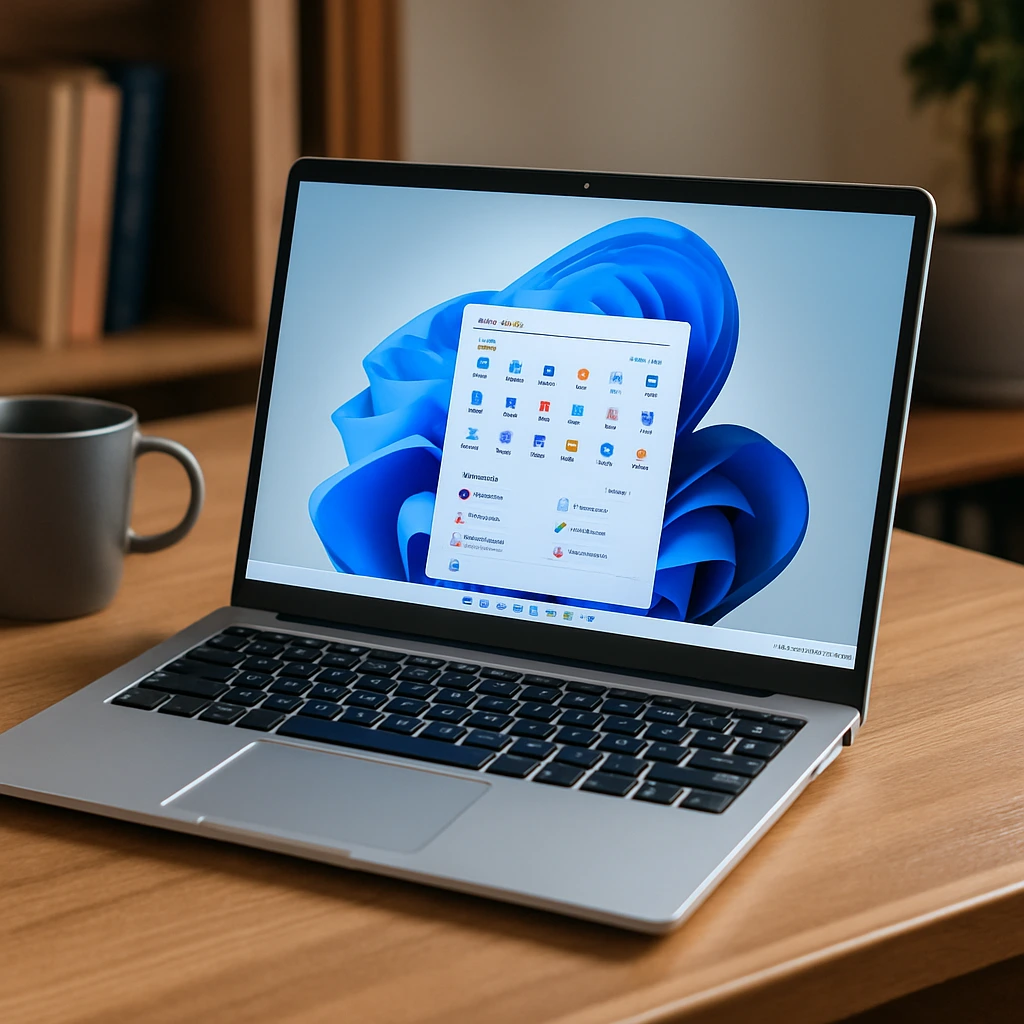
The HP OmniBook 14 represents a newer generation of HP laptops that integrates AI-focused features and modern hardware design.
This model is equipped with Intel Core 7 processors and 16GB DDR5 memory. Based on platform specifications, this configuration supports multitasking workloads and newer AI-assisted features such as Copilot integration.
The 2-in-1 touchscreen design adds flexibility for users who switch between typing, presentation, and tablet-style interaction. This makes it suitable for professionals or students who need both productivity and versatility in a compact device.
📦 HP 14 Laptop (Core i7-1355U, 16GB RAM, 512GB SSD)
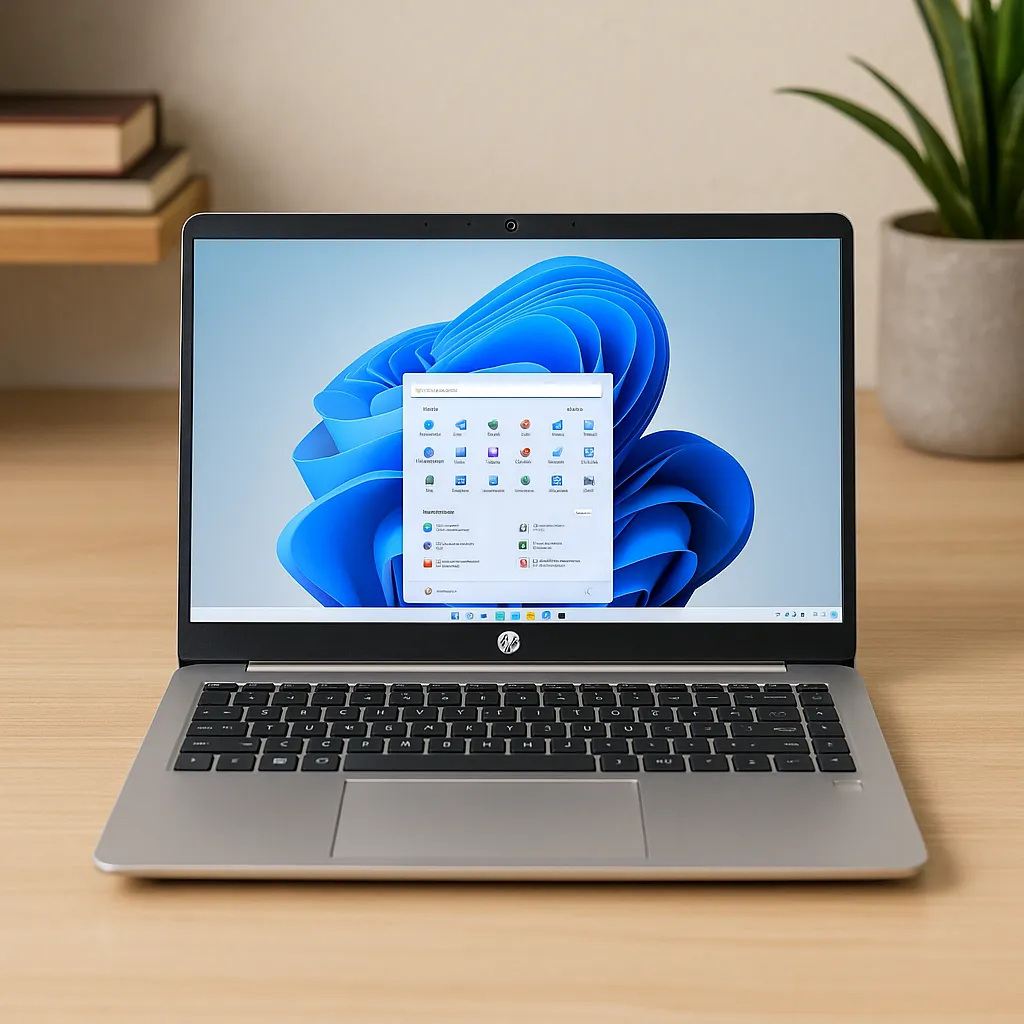
The standard HP 14 configuration with Intel Core i7-1355U is positioned as a value-focused productivity laptop.
The 13th-generation Intel processor combines performance and efficiency cores, which are designed to handle everyday workloads efficiently. According to Intel specifications, this hybrid architecture helps balance performance with power consumption.
With 16GB RAM and a 512GB SSD, this configuration supports multitasking, document storage, and general productivity tasks. The anti-glare Full HD display is designed to reduce reflections, which can be helpful in office or classroom environments.
📦 HP Envy x360 14 (Core i7, 16GB RAM, 1TB SSD)
The HP Envy x360 14 is designed as a premium convertible laptop with additional storage and flexibility.
This model includes a touchscreen display with a 360-degree hinge, allowing it to function as both a laptop and a tablet. Based on HP’s product positioning, the Envy lineup focuses on premium materials and enhanced user experience.
With 16GB RAM and a 1TB SSD, it provides higher storage capacity for users working with larger files such as media projects or professional documents. The inclusion of features like a 5MP camera and fingerprint reader also supports modern productivity and security needs.
For a closer look at this series, you can explore the HP Spectre x360 14 OLED review to understand how premium HP convertibles compare.
🔍 How These Models Compare in Real Use
From a performance perspective, all three laptops are equipped to handle everyday productivity tasks. The main differences come from design, storage capacity, and additional features.
The HP OmniBook focuses on newer AI capabilities and modern platform efficiency. The standard HP 14 prioritizes value and reliable performance for typical workloads.
The Envy x360 stands out for versatility due to its convertible design. This makes it more suitable for users who need touchscreen interaction or flexible usage modes.
📌 Key Takeaways
- HP 14-inch laptops are designed for portability and everyday productivity
- Core i7 and Core 7 processors support multitasking and office workloads
- 16GB RAM configurations are standard for smooth performance
- Convertible models like the Envy x360 add flexibility for mixed use
🟢 FAQs
Q: Is a 14-inch HP laptop good for everyday use?
Based on specifications, 14-inch models are designed for portability and productivity, making them suitable for students, office work, and general use.
Q: What is the difference between HP 14 and HP Envy x360?
The HP 14 is a traditional laptop focused on value, while the Envy x360 adds a convertible touchscreen design and premium features.
Q: Are HP 14-inch laptops good for multitasking?
Models equipped with 16GB RAM and modern Intel processors are designed to handle multitasking workloads efficiently.
✅ Conclusion
HP 14-inch laptops are designed to balance performance, portability, and versatility across different user needs. Based on specifications, they provide enough power for everyday tasks while remaining compact and easy to carry.
Choosing between models depends on your priorities—whether that’s value, flexibility, or newer AI-focused features.