IPS vs VA vs OLED for Gaming Monitors – Which Panel Type Should You Choose
Disclosure: This post contains affiliate links. LaptopVoyager.com participates in the Amazon Associates Program and may earn commissions on qualifying purchases, at no extra cost to you.
Last Updated: March 2026
Choosing the right panel type is one of the most important decisions when buying a gaming monitor. IPS, VA, and OLED panels are designed differently, and each one affects color accuracy, contrast, and response time.
Modern gaming monitors use these panel technologies to target different use cases, from competitive gaming to immersive visuals. Understanding how they compare helps you choose a display that matches your setup.
👉 If you’re comparing options, see our guide to best gaming monitors
This guide explains how IPS, VA, and OLED panels differ and which one makes sense based on your gaming priorities.
📌 Key Takeaways
- IPS panels are designed for strong color accuracy and wide viewing angles
- VA panels focus on higher contrast and deeper blacks compared to IPS
- OLED panels deliver near-instant response times and high contrast
- Each panel type suits different gaming styles and performance needs
- Choosing the right panel depends on visual preference and use case
🔍 What Is an IPS Panel
IPS (In-Plane Switching) panels are designed to provide consistent color accuracy and wide viewing angles.
According to manufacturer specifications, IPS monitors are commonly used in gaming and productivity displays because they maintain color consistency across the screen.
Key characteristics:
- Accurate colors
- Wide viewing angles
- balanced performance
IPS panels are often suited for:
- General gaming
- Content creation
- Multi-purpose setups
They are a strong all-around option for users who want consistent visuals without focusing on a single performance area.
🔍 What Is a VA Panel
VA (Vertical Alignment) panels are designed to deliver higher contrast ratios compared to IPS panels.
According to manufacturer documentation, VA displays produce deeper blacks and stronger contrast, which can improve immersion in darker scenes.
Key characteristics:
- High contrast
- deeper blacks
- moderate response times
VA panels are commonly suited for:
- Story-driven or cinematic games
- Users who prefer deeper contrast
- Mixed entertainment use
However, response times may be slower compared to other panel types, depending on the model.
🔍 What Is an OLED Panel
OLED (Organic Light-Emitting Diode) panels are designed to control each pixel individually, which allows for precise lighting and contrast.
According to manufacturer specifications and professional reviews, OLED displays deliver near-instant response times and strong contrast because each pixel can turn off completely.
Key characteristics:
- Very fast response time (often around 0.03ms)
- high contrast with true blacks
- strong color performance
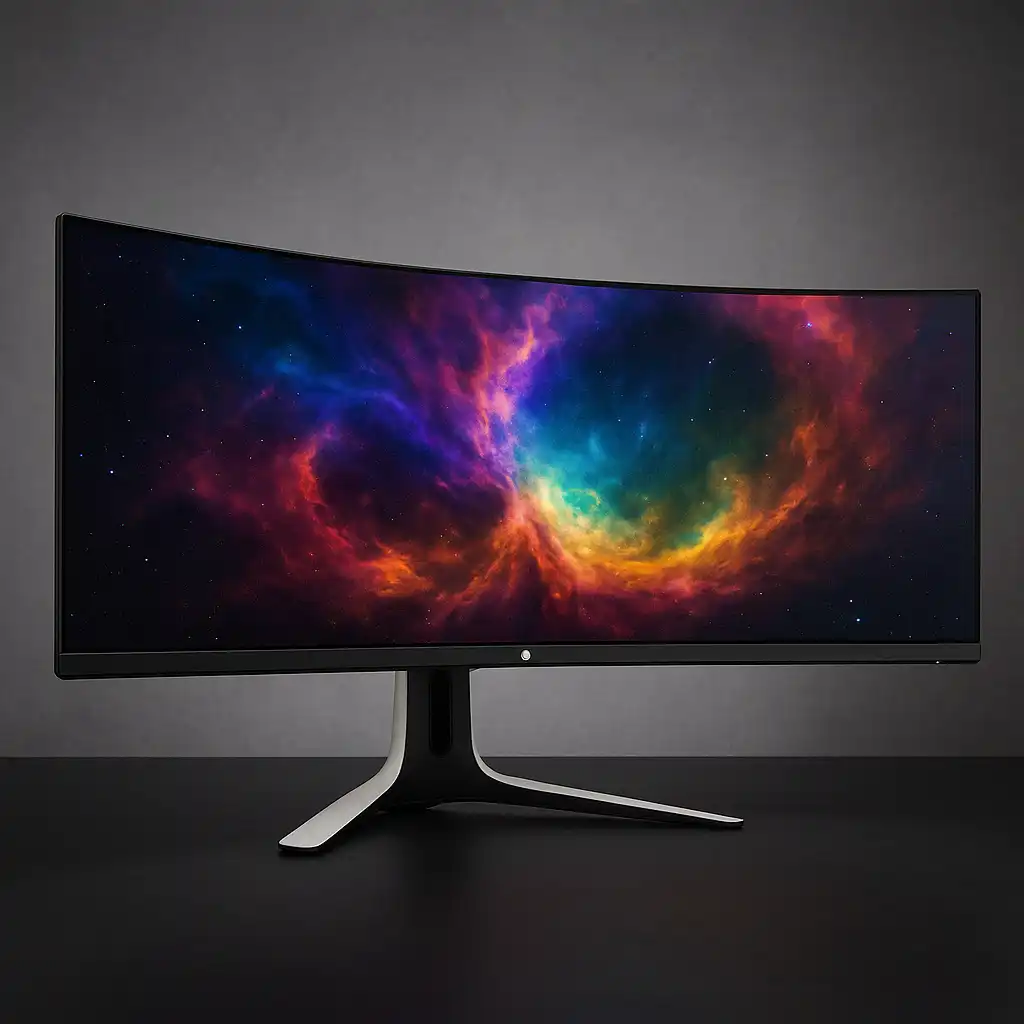
High-end monitors like the Alienware 32-inch 4K QD-OLED gaming monitor review demonstrate how OLED-based panels are designed for both performance and visual quality.
OLED panels are suited for:
- Competitive gaming
- high-end setups
- users prioritizing image quality
🔍 Response Time and Gaming Performance
Response time affects how quickly pixels change, which influences motion clarity.
According to published benchmarks:
- OLED panels offer the fastest response times
- IPS panels provide balanced performance
- VA panels may have slower transitions depending on the model
Faster response times reduce motion blur, which is important for fast-paced games.
👉 For a deeper comparison, see best monitor refresh rate for laptop gaming
🔍 Color Accuracy and Visual Quality
Color performance varies across panel types.
IPS panels are designed for accurate color reproduction, which makes them suitable for both gaming and creative work.
VA panels provide strong contrast, but color accuracy can vary depending on implementation.
OLED panels combine strong contrast with vivid colors, offering high visual clarity according to manufacturer specifications and professional reviews.
Each panel type targets different visual priorities rather than offering a universal advantage.
🔍 Contrast and Black Levels
Contrast ratio affects how dark blacks appear and how much detail is visible in shadows.
VA panels are designed to deliver higher contrast compared to IPS, making them suitable for darker environments.
OLED panels go further by turning off individual pixels, resulting in true black levels.
IPS panels typically have lower contrast but maintain consistent brightness and color across the screen.
🔍 Which Panel Type Should You Choose
The best panel type depends on how you use your monitor.
Choose IPS if:
- You want balanced performance and color accuracy
- You use your monitor for both work and gaming
Choose VA if:
- You prefer deeper contrast and immersive visuals
- You play cinematic or slower-paced games
Choose OLED if:
- You want the fastest response times
- You prioritize visual quality and contrast
- You have a high-end gaming setup
Each option is designed for different priorities, so the best choice depends on your needs.
🟢 FAQs
Q: Is OLED better than IPS for gaming?
OLED panels offer faster response times and higher contrast, but IPS panels provide balanced performance and are widely used across different setups.
Q: Are VA panels good for gaming?
VA panels are suitable for gaming, especially for users who prefer strong contrast and immersive visuals.
Q: Do IPS monitors have good response times?
Modern IPS panels are designed to offer competitive response times, although they are typically slower than OLED.
Q: Which panel type is best for competitive gaming?
According to specifications and benchmarks, OLED and high-performance IPS panels are commonly used for fast-paced gaming.
✅ Conclusion
IPS, VA, and OLED panels are designed with different strengths, from color accuracy to contrast and response time. Based on specifications and performance data, IPS offers balanced performance, VA focuses on contrast, and OLED delivers high-end speed and visual quality.
Choosing the right panel depends on your gaming style, hardware, and visual preferences.