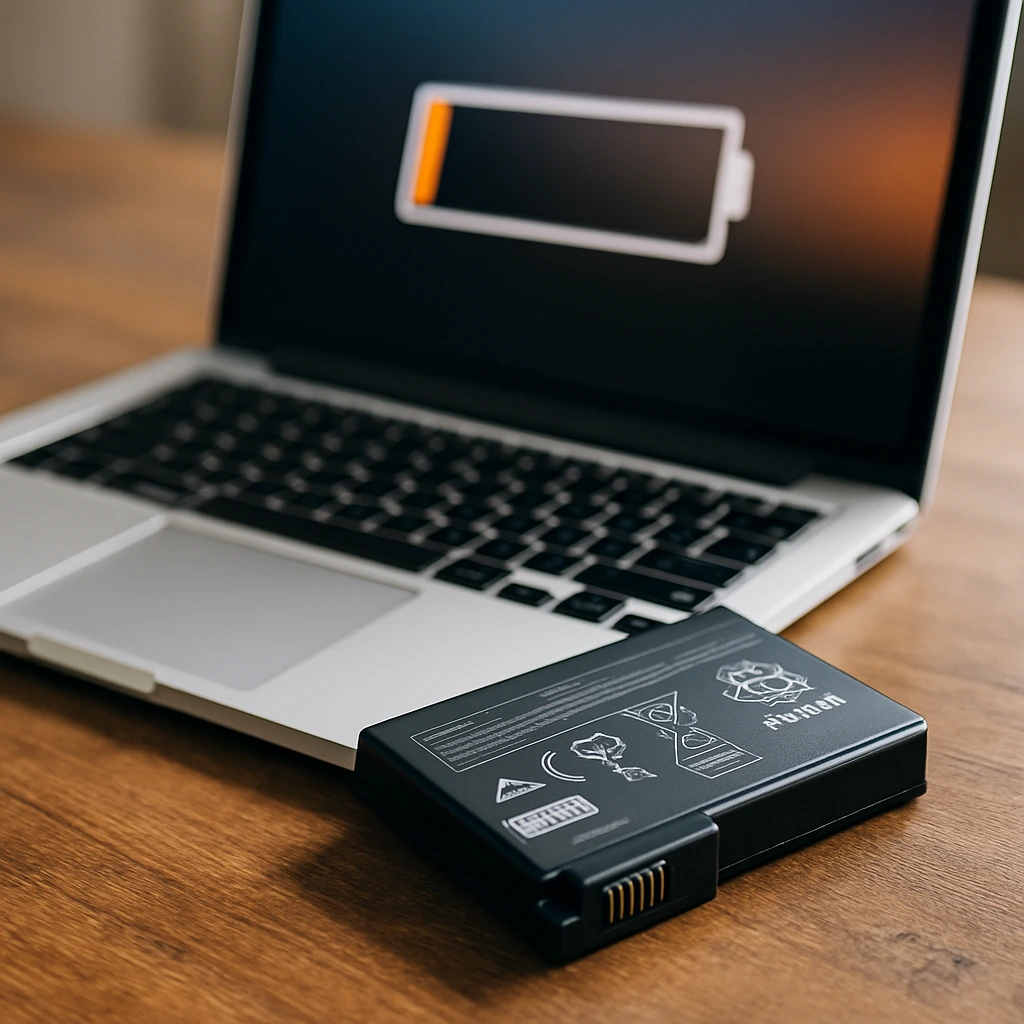
Laptop Battery Life Expectancy – What to Expect Over Time
Disclosure: This post contains affiliate links. LaptopVoyager.com participates in the Amazon Associates Program and may earn commissions on qualifying purchases, at no extra cost to you.
Last Updated: March 2026
Laptop batteries slowly lose capacity as they age. Even when a laptop still charges normally, the battery may not last as long between charges as it did when the device was new. This gradual decline is expected for modern lithium-ion batteries used in most laptops.
This guide explains typical laptop battery life expectancy, what factors influence battery aging, and how charging habits can affect long-term performance.
👉 For a broader overview of safe charging practices and compatible chargers, see the laptop charging guide.
🔍 Typical Laptop Battery Life Expectancy
Most modern laptop batteries are designed to last 2–5 years of regular use.
According to manufacturer documentation, lithium-ion batteries are usually rated for 300–1,000 charging cycles before significant capacity loss occurs. A charging cycle represents using a total of 100% battery capacity, though this may occur across multiple partial charges.
As batteries age, the amount of energy they can store gradually decreases, which results in shorter runtime between charges.
🔍 What Affects Laptop Battery Lifespan
Several factors can influence how quickly battery capacity declines.
Charging Cycles
Every time a battery completes a full charging cycle, small chemical changes occur inside the battery cells. Over time, these changes reduce the amount of energy the battery can store.
If you want a deeper explanation of how cycle counts work, this guide on laptop charging cycles explained explains how repeated charging affects battery capacity.
Heat and Temperature
Heat is one of the most common contributors to battery wear.
Laptops running heavy workloads while charging may produce higher temperatures, which can accelerate battery degradation. Proper ventilation and cooling help reduce this effect.
Charging Habits
Frequent deep discharges and constant full charging may increase battery wear over long periods.
Maintaining moderate charge levels during everyday use may help reduce stress on lithium-ion battery cells.
🔍 Signs a Laptop Battery Is Reaching the End of Its Lifespan
Several signs may indicate a battery is approaching the end of its useful life.
Common indicators include:
- noticeably shorter runtime between charges
- the battery percentage dropping quickly
- the laptop shutting down unexpectedly
- slower charging or inconsistent charging behavior
If charging problems appear alongside battery wear, this guide on laptop not charging explains common troubleshooting steps.
📌 Key Takeaways
- Most laptop batteries last 2–5 years under normal use.
- Lithium-ion batteries are typically rated for hundreds of charging cycles.
- Heat, charging habits, and heavy workloads can influence battery lifespan.
- Gradual capacity loss is a normal part of battery aging.
🟢 FAQs
Q: How long does a laptop battery usually last before replacement?
Many laptop batteries remain usable for several years before noticeable capacity loss affects daily use.
Q: Can laptop battery lifespan be extended?
Maintaining moderate charging habits and avoiding excessive heat can help reduce long-term battery wear.
Q: When should a laptop battery be replaced?
Replacement may be necessary when battery capacity drops significantly and the laptop can no longer operate for a practical amount of time on battery power.
✅ Conclusion
Laptop battery life expectancy depends on charging cycles, heat exposure, and everyday usage habits. While gradual capacity decline is normal, maintaining proper charging practices and monitoring battery health can help extend usable battery life.