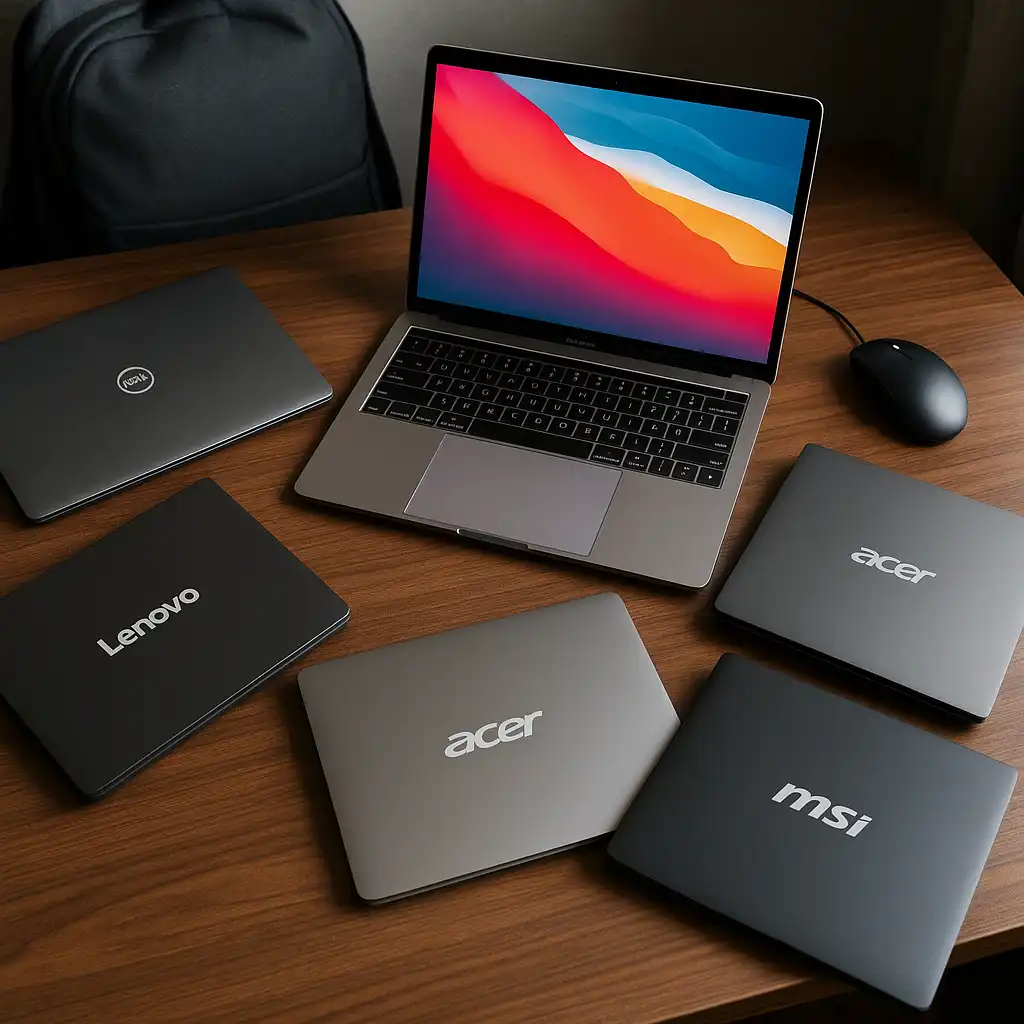
Laptop Brand Comparison Guide – Understanding the Strengths of Major Laptop Brands
Disclosure: This post contains affiliate links. LaptopVoyager.com participates in the Amazon Associates Program and may earn commissions on qualifying purchases, at no extra cost to you.
Last Updated: March 2026
Laptop brands often specialize in different strengths. Some focus on premium design and performance, while others emphasize affordability, business reliability, or gaming power.
Understanding how major laptop brands differ helps buyers choose systems that match their needs. This guide compares key characteristics across well-known laptop manufacturers based on product line focus, hardware design, and typical use cases.
👉 If you’re exploring powerful machines designed for demanding workloads, see our guide to the best high performance laptop.
🔍 Why Laptop Brand Differences Matter
Laptop manufacturers often design product lines for specific audiences. Some prioritize portability and battery efficiency, while others focus on gaming performance or enterprise productivity.
Brand ecosystems can also influence software support, hardware integration, and upgrade flexibility. Because of these differences, two laptops with similar specifications may deliver different overall experiences depending on the manufacturer.
Understanding brand positioning helps narrow down choices before comparing specific models.
🔍 Apple Laptops – Integrated Hardware and Software
Apple laptops are known for tightly integrated hardware and software ecosystems.
MacBook models use Apple silicon processors designed to balance performance and energy efficiency. According to Apple specifications, unified memory architecture allows CPU and GPU components to share system memory, improving efficiency in many workloads.
MacBook laptops are often used for creative work, development, and productivity tasks that benefit from optimized macOS applications.
🔍 Lenovo Laptops – Business Reliability and Productivity
Lenovo produces a wide range of laptops, but the ThinkPad lineup is particularly known for business and enterprise use.
ThinkPad systems are designed with durable construction, enterprise security features, and strong productivity performance. These laptops are commonly deployed in corporate environments where reliability and long-term support are important.
Lenovo also offers consumer and performance models such as the Yoga and Legion series.
🔍 ASUS Laptops – Performance and Innovation
ASUS offers diverse product lines ranging from lightweight ultrabooks to powerful gaming systems.
The Zenbook series focuses on portable productivity and premium displays, while the ROG (Republic of Gamers) lineup targets gaming and high-performance workloads.
ASUS frequently integrates new processor technologies and display innovations across its laptop lineup.
If you’re evaluating portable performance systems, our guide to the best lightweight high performance laptop compares several powerful ultrabook options.
🔍 HP Laptops – Balanced Consumer and Business Options
HP produces laptops across multiple categories including business devices, student systems, and performance machines.
The HP Spectre and Envy series target premium ultrabook users, while the EliteBook lineup focuses on enterprise customers.
HP systems often emphasize balanced performance, design, and battery life across a wide range of price segments.
🔍 Dell Laptops – Premium Design and Business Systems
Dell offers several well-known laptop lines including XPS, Latitude, and Alienware.
The XPS series focuses on premium design and high-resolution displays, while Latitude models serve enterprise productivity environments. Alienware systems are designed specifically for gaming and high-performance computing.
Dell’s product range allows users to select laptops based on professional, gaming, or everyday computing needs.
🔍 Hardware Factors That Matter More Than Brand
Although brand reputation can influence buying decisions, hardware specifications often play a larger role in overall performance.
Processor architecture, memory capacity, and storage type significantly affect system speed and responsiveness. Storage technology is particularly important, and our guide on does ssd make laptop faster explains how SSDs improve laptop performance.
Evaluating these specifications alongside brand reputation helps buyers make more informed decisions.
📌 Key Takeaways
- Laptop brands often specialize in different categories such as gaming, business, or ultrabooks
- Apple emphasizes integrated hardware and software design
- Lenovo ThinkPad systems focus on enterprise productivity and reliability
- ASUS offers strong performance and gaming-oriented laptops
- Hardware specifications often matter more than brand alone
🟢 FAQs
Q: Which laptop brand is the most reliable?
Reliability depends on the specific model and product line. Business-focused laptops such as enterprise models are typically designed for long-term durability.
Q: Are premium laptop brands always better?
Premium brands often offer stronger build quality and displays, but mid-range systems from many manufacturers can still deliver strong performance.
Q: Does brand affect laptop performance?
Performance is primarily determined by hardware specifications such as CPU, RAM, and storage rather than brand alone.
Q: Should you choose a brand or specific laptop model first?
Many buyers start by selecting a trusted brand and then compare models within that lineup based on specifications.
✅ Conclusion
Laptop brand comparisons help clarify how different manufacturers position their products across the market.
Apple focuses on integrated design and efficiency. Lenovo emphasizes enterprise reliability. ASUS highlights performance and innovation, while HP and Dell offer broad product ranges for business, students, and professionals.
Understanding brand strengths alongside hardware specifications helps buyers select laptops that match their specific needs.