Why Are High-End Laptop Brands So Expensive? What You’re Really Paying For
Disclosure: This post contains affiliate links. LaptopVoyager.com participates in the Amazon Associates Program and may earn commissions on qualifying purchases, at no extra cost to you.
Last Updated: January 2026
High-end laptop brands often cost hundreds—or even thousands—more than mid-range alternatives with similar-looking specs. That price gap can feel hard to justify at first glance, especially when processors and RAM amounts appear comparable on paper.
This guide explains why premium laptop brands are so expensive, focusing on design priorities, manufacturing costs, long-term support, and brand positioning rather than marketing hype.
👉 If you’re comparing manufacturers at the top end, this hub on top-ranked laptop brands breaks down how premium brands differ across performance, reliability, and value.
🔍 Premium Materials and Build Quality
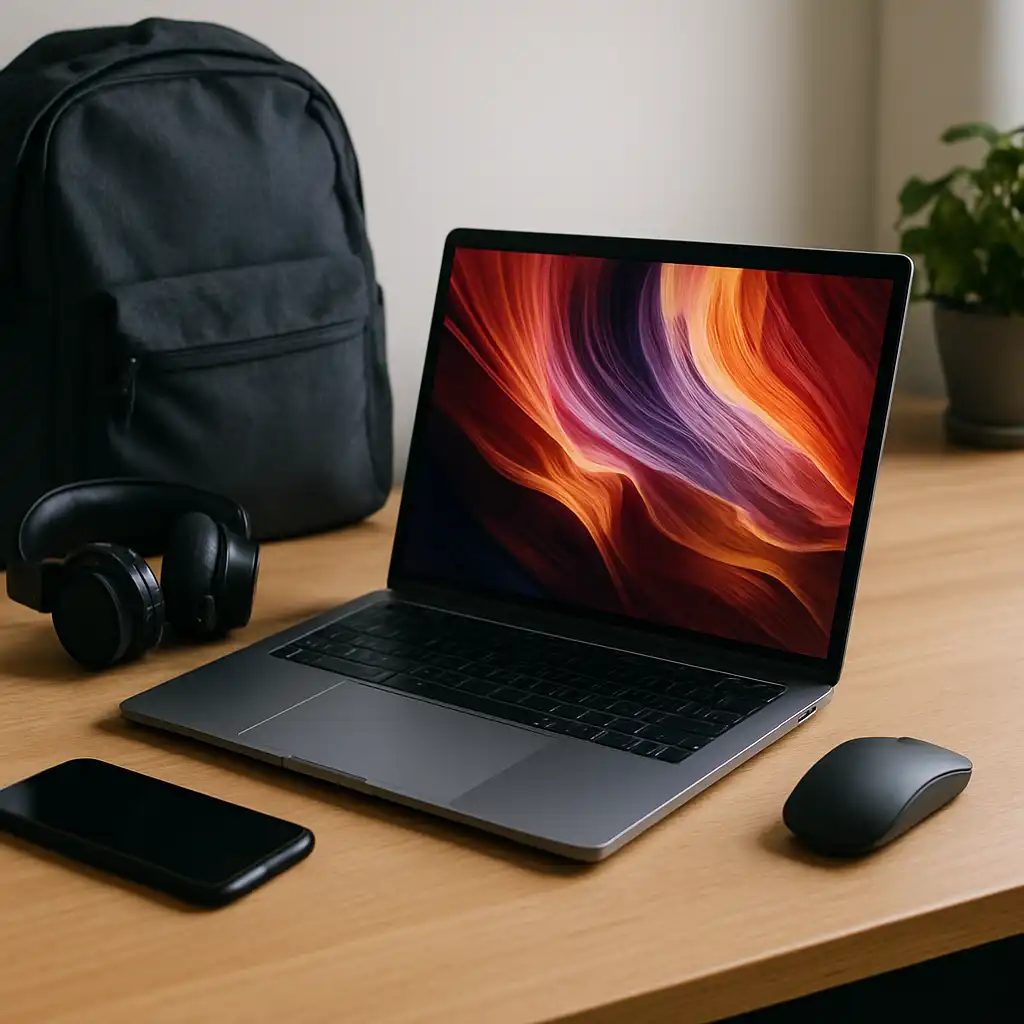
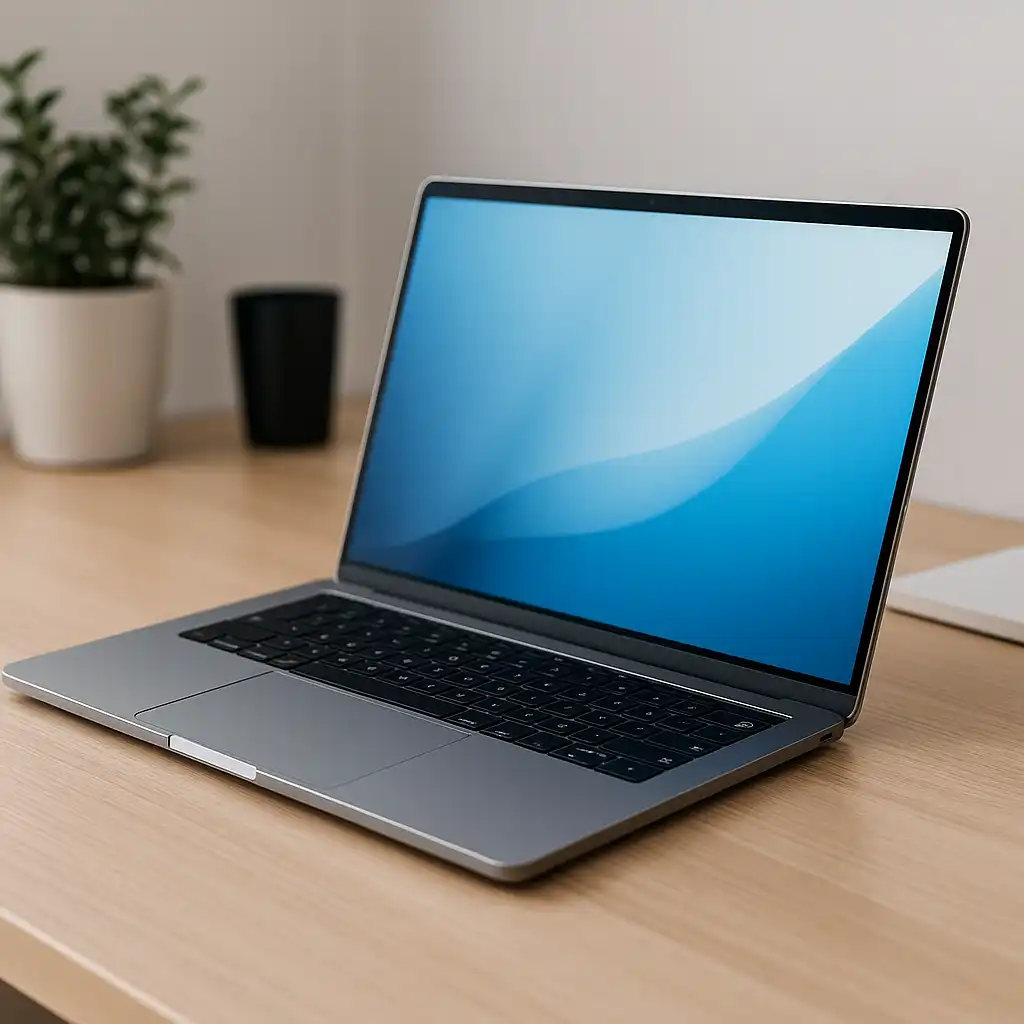
One of the biggest cost drivers is materials. High-end laptops typically use aluminum, magnesium, carbon fiber, or custom alloys instead of plastic. These materials are more expensive to source, machine, and finish.
Brands like Apple, Dell, and Lenovo invest heavily in chassis rigidity, hinge durability, and structural design, all of which increase manufacturing costs but improve longevity.
🔍 Display Technology Costs
Premium laptops almost always include higher-end displays. OLED, mini-LED, high-refresh-rate panels, and factory color calibration add significant cost compared to standard IPS screens.
These displays are designed for brightness consistency, color accuracy, and long-term quality, which is why they appear more often in high-end models than budget lines.
🔍 Research, Engineering, and Thermal Design
High-end laptops are not just assembled—they’re engineered. Custom cooling systems, quieter fans, and optimized internal layouts require more design time and testing.
This research and development cost is spread across fewer units than mass-market laptops, which increases the price per device.
🔍 Performance Consistency, Not Just Peak Specs
Premium brands often charge more for consistent performance rather than short bursts of speed. Better thermal solutions allow processors to maintain performance longer without throttling.
This matters for professionals who run demanding workloads for extended periods rather than short benchmark-style tasks.
🔍 Software Optimization and Long-Term Support
High-end brands typically offer longer software and firmware support cycles. Operating system updates, driver stability, and security patches often continue for many years.
Extended support adds ongoing costs for manufacturers, but it also helps laptops remain usable longer—one reason premium models often age better.
🔍 Quality Control and Lower Failure Rates
Premium laptops usually undergo stricter quality control. Tighter tolerances, better components, and lower acceptable defect rates all raise production costs.
While no laptop brand is failure-proof, premium lines are generally designed to reduce common long-term issues like hinge wear, keyboard failure, and thermal degradation.
🔍 Brand Ecosystems and Integration
Some of the price premium reflects ecosystem investment. Seamless integration with phones, tablets, monitors, and accessories requires additional software development and support infrastructure.
For users already invested in a specific ecosystem, this integration can add real value over time.
📌 Key Takeaways
- High-end laptops cost more due to materials, engineering, and support—not just branding.
- Premium displays and thermal designs significantly increase manufacturing costs.
- Long-term software support and quality control add value beyond raw specs.
- Higher prices often reflect longevity and consistency rather than short-term performance.
🟢 FAQs
Q: Are high-end laptops overpriced for most users?
A: For light or short-term use, mid-range laptops often make more sense. High-end models are better suited for long-term or demanding use.
Q: Do premium laptops last longer?
A: They often do, especially when built with better materials and supported with longer software update cycles.
Q: Is brand name the main reason for high prices?
A: Brand plays a role, but materials, engineering, displays, and support account for much of the cost difference.
✅ Conclusion
High-end laptop brands are expensive because they focus on durability, refined design, consistent performance, and long-term support—not just headline specs. While they aren’t the right choice for everyone, their higher prices often reflect real costs that benefit users who keep their laptops longer and demand more reliability over time.