Apple Silicon vs Snapdragon – Laptop Processor Comparison
Disclosure: This post contains affiliate links. LaptopVoyager.com participates in the Amazon Associates Program and may earn commissions on qualifying purchases, at no extra cost to you.
Last Updated: March 2026
Laptop processors have evolved significantly as manufacturers focus on improving efficiency, battery life, and performance. Two processor platforms that represent this shift are Apple Silicon and Qualcomm Snapdragon, both built on ARM-based architectures designed to deliver strong performance while consuming less power.
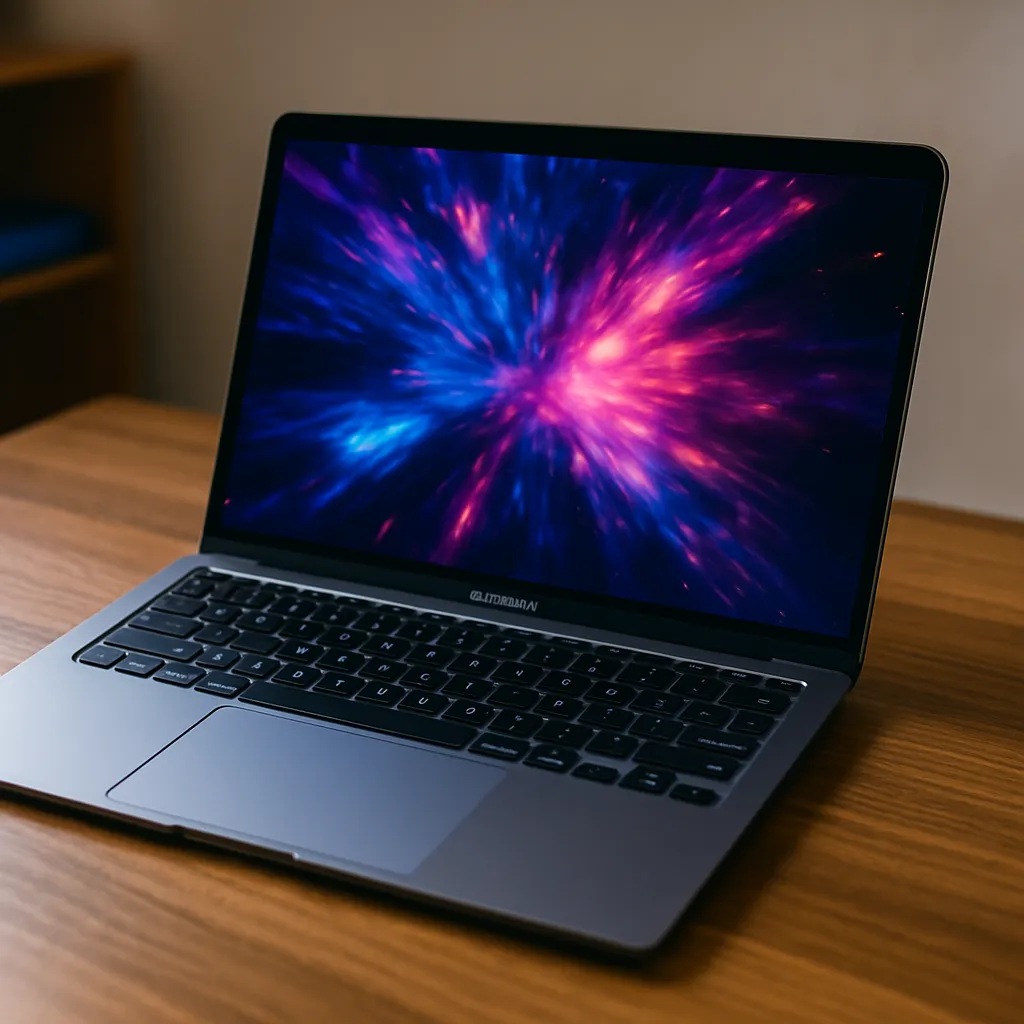
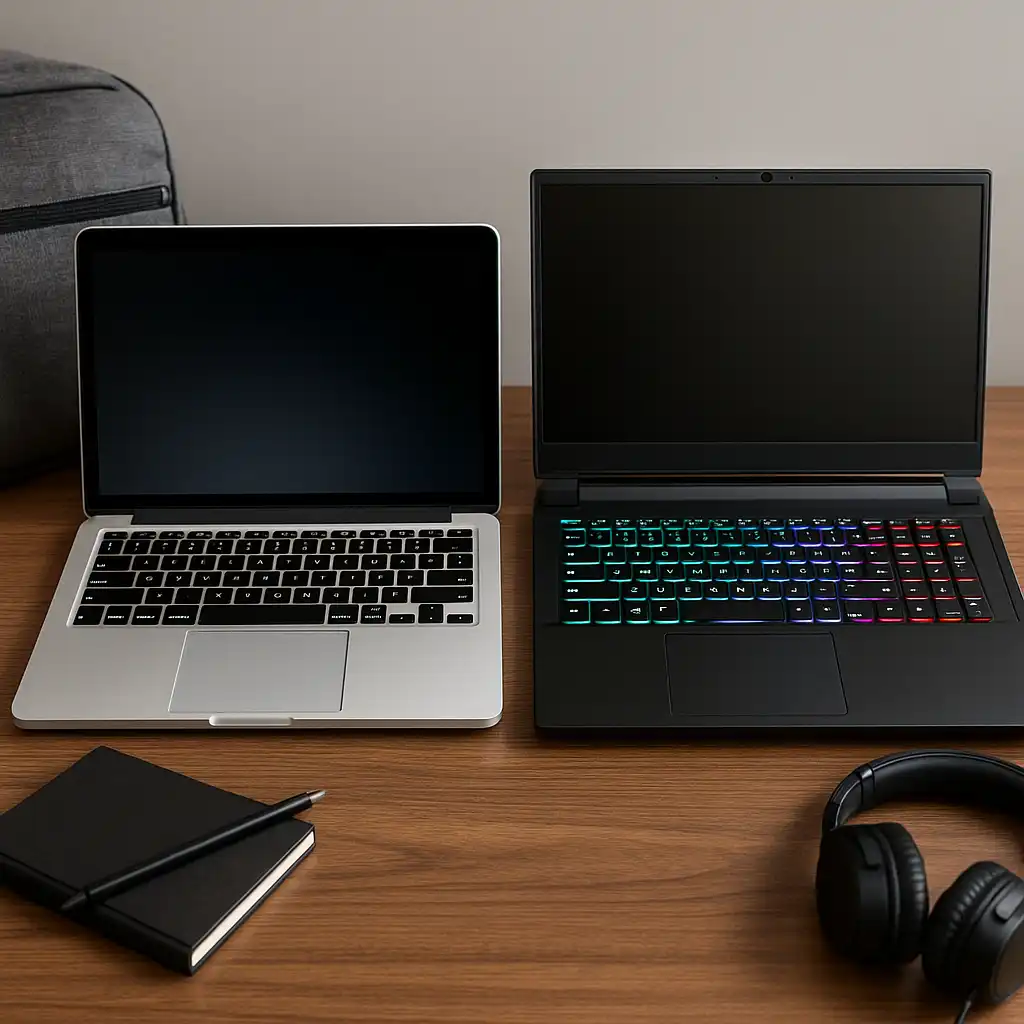
Apple Silicon processors power MacBooks and are tightly integrated with macOS, while Snapdragon processors are designed primarily for Windows laptops that emphasize portability and long battery life.
👉 If you’re comparing CPUs across laptop platforms and architectures, see our guide to best laptop processor.
This guide explains how Apple Silicon and Snapdragon laptop processors differ, including architecture design, performance characteristics, and the types of laptops that commonly use these chips.
🔍 Apple Silicon Architecture
Apple Silicon processors, such as the M-series chips, are built using ARM architecture and follow a system-on-a-chip (SoC) design.
In this architecture, several components—including the CPU, GPU, memory controller, and AI engines—are integrated into a single chip. This approach reduces communication delays between components and improves power efficiency.
Apple Silicon processors also combine performance cores and efficiency cores, allowing the system to prioritize demanding workloads while maintaining lower energy consumption during lighter tasks.
Because Apple designs both the processor and the operating system, macOS is optimized specifically for these chips.
🔍 Snapdragon Laptop Processors
Qualcomm’s Snapdragon processors are also based on ARM architecture and are commonly used in Windows laptops focused on portability and battery life.
Snapdragon processors are often designed to provide long battery endurance and always-connected capabilities, with many systems supporting integrated 5G connectivity.
According to manufacturer specifications and early benchmarks, Snapdragon laptop processors are designed to balance everyday productivity performance with high efficiency.
If you’re curious how Snapdragon platforms compare with traditional laptop processors, our guide on snapdragon processor vs intel explains key performance differences.
🔍 Performance Differences
Performance differences between Apple Silicon and Snapdragon processors depend on several factors, including chip generation and laptop configuration.
Apple Silicon processors are known for strong performance per watt and high single-core performance in many productivity workloads.
Snapdragon processors focus on efficiency and battery life, particularly in thin and lightweight laptops designed for mobility and connectivity.
Software optimization also plays an important role, since Apple Silicon is optimized for macOS applications while Snapdragon processors are designed for Windows environments.
🔍 Battery Efficiency and Portability
Both Apple Silicon and Snapdragon processors prioritize energy efficiency, but they target slightly different laptop ecosystems.
Apple Silicon laptops often deliver long battery life while maintaining strong performance for creative workloads.
Snapdragon-based laptops typically focus on ultra-portable designs, extended standby times, and connectivity features like integrated cellular networking.
These differences influence how each platform is positioned in the laptop market.
📌 Key Takeaways
- Apple Silicon and Snapdragon processors both use ARM-based architectures
- Apple Silicon powers MacBooks and is optimized for macOS
- Snapdragon processors power many Windows laptops focused on mobility
- Both platforms emphasize efficiency and battery life
- Performance differences depend on chip generation and software optimization
🟢 FAQs
Q: Is Apple Silicon better than Snapdragon?
Performance differences depend on the specific processor and workload. Apple Silicon often emphasizes strong performance per watt, while Snapdragon processors prioritize efficiency and mobility.
Q: Do Snapdragon laptops run the same software as Apple Silicon Macs?
No. Apple Silicon runs macOS applications, while Snapdragon laptops primarily run Windows software.
Q: Are Snapdragon laptops good for everyday use?
Yes. Many Snapdragon laptops are designed for productivity tasks such as browsing, document editing, and video conferencing.
✅ Conclusion
The comparison between Apple Silicon and Snapdragon laptop processors highlights two ARM-based platforms designed to improve efficiency and battery life in modern laptops.
Apple Silicon focuses on tightly integrated hardware and software within the Mac ecosystem, while Snapdragon processors target Windows laptops designed for portability and connectivity.
Understanding these differences helps buyers choose laptops that match their preferred operating systems and performance requirements.