Best High Performance Laptop – Complete Performance Buying Guide
Disclosure: This post contains affiliate links. LaptopVoyager.com participates in the Amazon Associates Program and may earn commissions on qualifying purchases, at no extra cost to you.
Last Updated: March 2026
High-performance laptops are designed for demanding workloads such as video editing, software development, gaming, 3D rendering, and heavy multitasking. Unlike standard laptops, these systems combine powerful processors, fast storage, efficient cooling, and larger batteries to maintain performance during sustained workloads.
However, raw specifications alone don’t tell the full story. CPU architecture, GPU capability, system memory, storage speed, and thermal design all influence how a laptop performs in real-world use.
This hub brings together our complete collection of performance-focused laptop guides so you can understand how different components affect speed, efficiency, and long-term usability.
Whether you’re choosing a workstation laptop, comparing processor types, or optimizing system performance, the guides below cover the most important aspects of high-performance laptop hardware.
🔍 High-Performance Laptop Buying Guides
These guides compare powerful laptops designed to handle demanding workloads, professional software, and heavy multitasking.
- Best 16 Inch Laptop Battery Life – Long Runtime Laptop Options
- Best Laptops for Multitasking – Systems Built for Heavy Workloads
- Best Lightweight High Performance Laptop – Portable Power Systems
These comparisons highlight systems designed to balance performance, portability, and battery efficiency.
🔍 Laptop Hardware Performance Fundamentals
Understanding how laptop hardware components interact can help explain why some systems perform better under demanding workloads.
- Does SSD Make Laptop Faster – Storage Speed Explained
- How Much RAM Do I Need on a Laptop – Memory Requirements Guide
These guides explain how storage technology and memory capacity influence application performance, boot speed, and system responsiveness.
🔍 Processor and Graphics Performance
CPU and GPU capability determine how well a laptop handles tasks such as gaming, rendering, and complex computational workloads.
- Laptop CPU Comparison Guide – Understanding Modern Laptop Processors
- Laptop GPU Comparison for Gaming – Graphics Performance Explained
These comparisons help clarify how different processor architectures and graphics solutions affect overall laptop performance.
🔍 System Design and Platform Differences
Performance laptops vary widely depending on design philosophy, operating systems, and brand ecosystems.
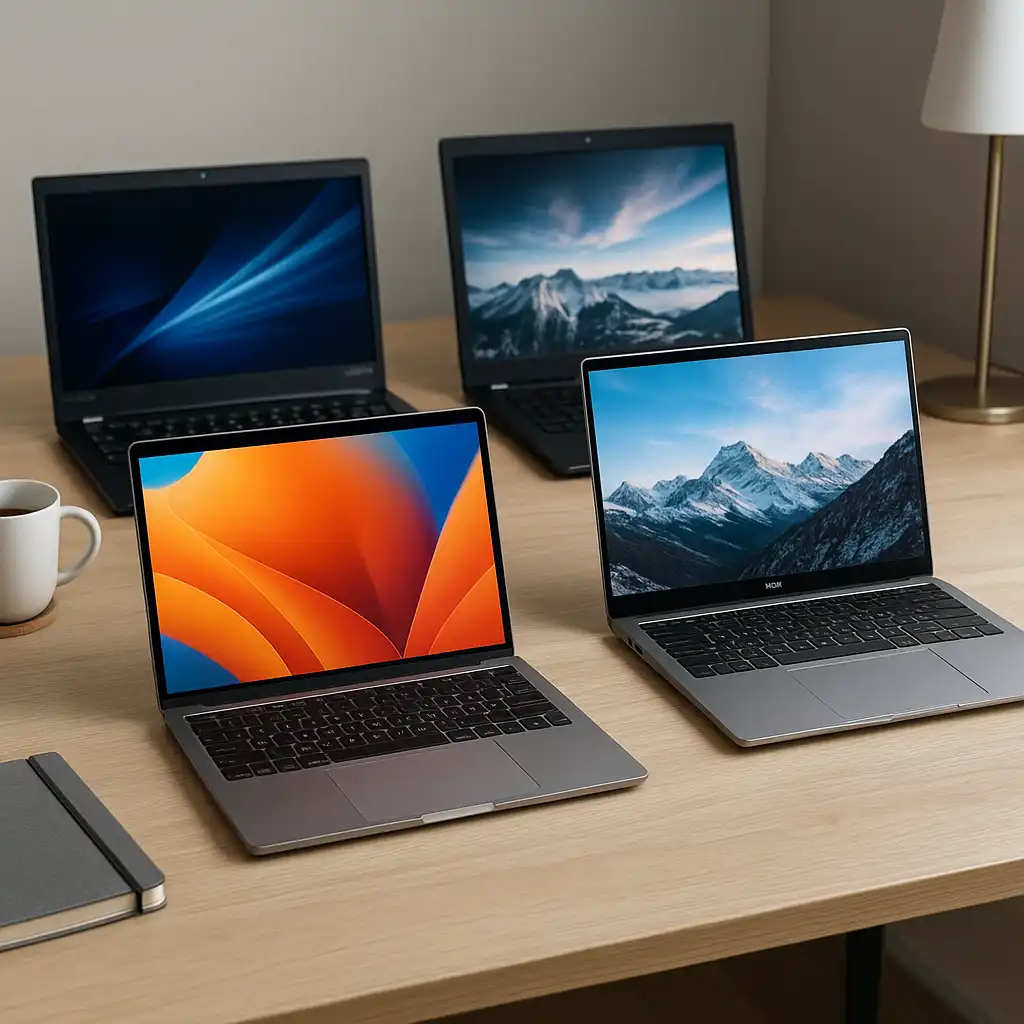
- Laptop Brand Comparison Guide – Major Laptop Brands Explained
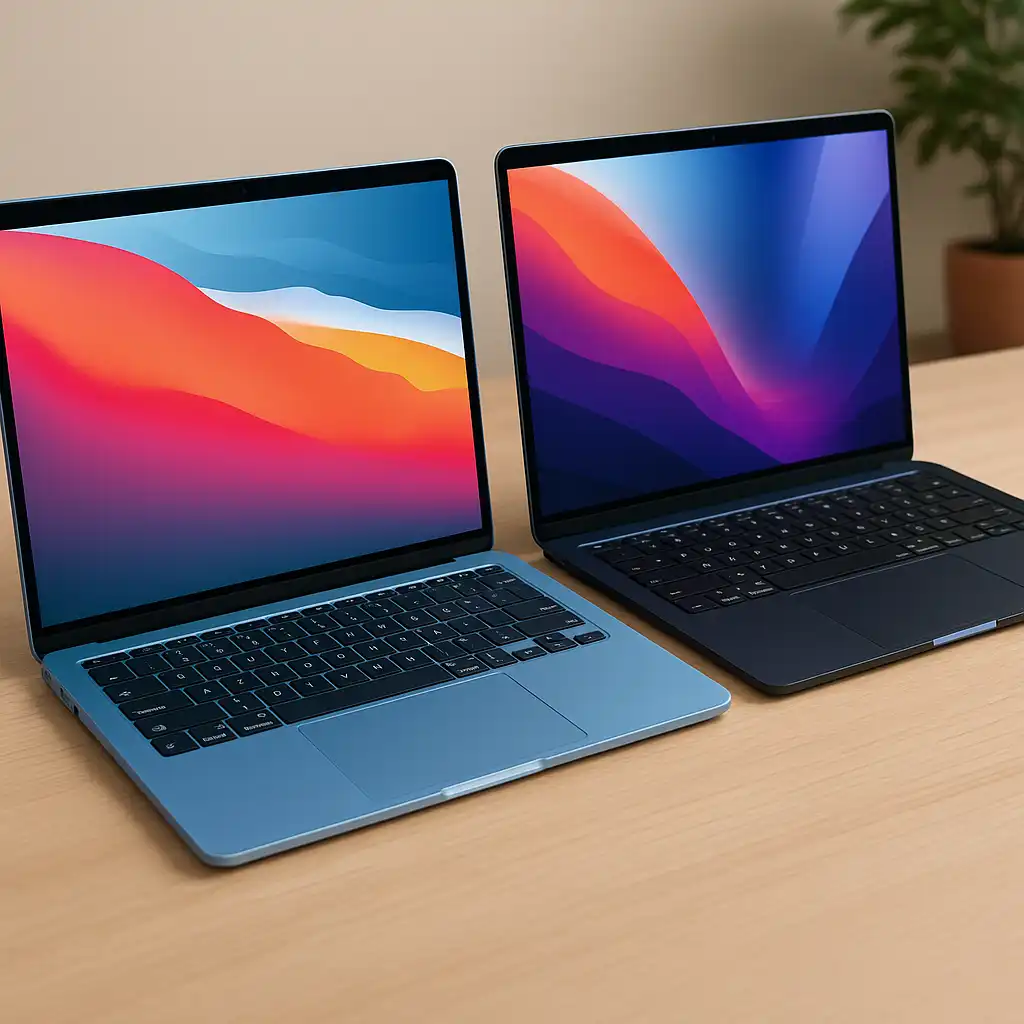
- Mac vs Windows Laptops – Key Differences Explained
These guides explore how manufacturers approach hardware design and how operating systems influence user experience.
🔍 Thermal Performance and Cooling
Sustained performance depends heavily on cooling design. When temperatures rise too high, laptops may automatically reduce performance to protect hardware.
Understanding thermal management helps explain why some laptops maintain performance better than others during long workloads.
📌 Key Takeaways
- High-performance laptops combine strong CPUs, GPUs, memory, and storage
- Cooling systems play a major role in sustained performance
- Storage and RAM significantly influence responsiveness
- Different brands and operating systems prioritize different performance approaches
- Battery capacity and efficiency also affect real-world usability
🟢 FAQs
Q: What makes a laptop high performance?
High-performance laptops typically include powerful processors, fast SSD storage, sufficient RAM, and cooling systems capable of sustaining heavy workloads.
Q: How much RAM do high-performance laptops need?
Most demanding workloads benefit from at least 16GB of RAM, while professional tasks such as video editing or large data processing may require 32GB or more.
Q: Do high-performance laptops have shorter battery life?
They can, because powerful processors and GPUs consume more energy. However, some modern systems balance performance and efficiency effectively.
Q: Are gaming laptops considered high-performance laptops?
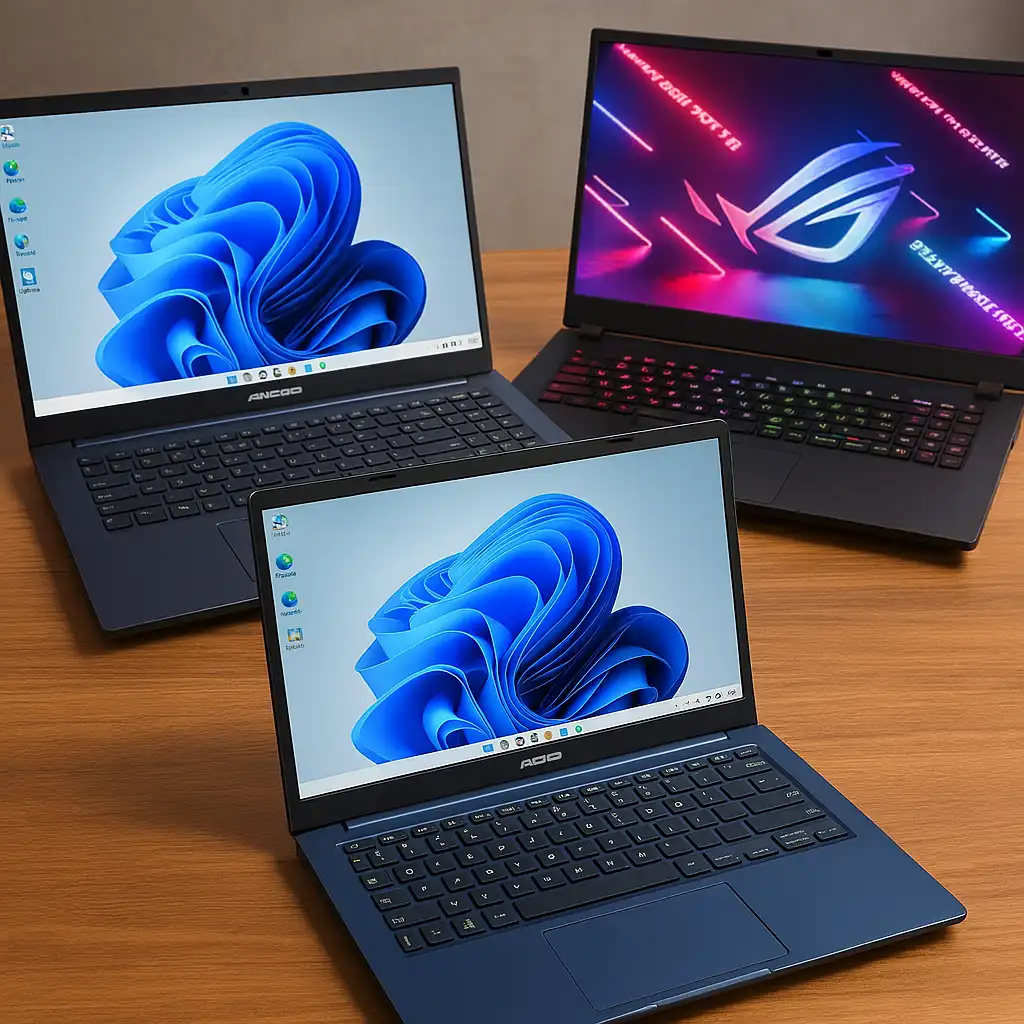
Yes. Gaming laptops often include powerful GPUs, high-speed CPUs, and advanced cooling systems designed for demanding applications.
✅ Conclusion
Choosing the best high-performance laptop requires understanding how hardware components work together. Processor architecture, graphics capability, memory capacity, storage speed, and cooling design all influence how a system performs under demanding workloads.
The guides in this hub explore each of these factors in detail, helping you compare laptop models, understand hardware differences, and choose systems capable of delivering consistent high performance.