Best Laptops for Cyber Security Students – Hardware That Matches Real Security Workloads
Disclosure: This post contains affiliate links. LaptopVoyager.com participates in the Amazon Associates Program and may earn commissions on qualifying purchases, at no extra cost to you.
Last Updated: February 2026
Cybersecurity students work with a mix of research tools, virtual machines, scripting environments, and operating systems. Unlike general coursework, security programs often place heavier demands on memory, storage, and platform flexibility rather than raw graphics performance.
This guide compares three laptops that approach cybersecurity studies from very different angles. Each option suits a specific learning path, from lightweight cloud-focused programs to advanced lab-based environments.
👉 for a broader overview by education level and use case, see our main guide to best laptops for students.
💰 Check Price & Availability
View on Amazon – Lenovo 15.6″ FHD Chromebook Intel Quad-Core, 4GB RAM, 128GB Storage
View on Amazon – Dell Latitude 3550 Business Laptop – i5-1335U, 32GB RAM, 1TB SSD
View on Amazon – Apple 2025 MacBook Air 15-inch – M4 chip, 24GB Unified Memory, 1TB SSD
📋 Quick-View Comparison List
Best Cloud-Based Learning Option: Lenovo 15.6″ Chromebook for browser-based security coursework
Best Virtualization and Lab Work Laptop: Dell Latitude 3550 with 32GB RAM and 1TB SSD
Best Unix-Based Security Platform: Apple MacBook Air 15-inch with M4 chip and large unified memory
🔍 What Cyber Security Students Actually Need in a Laptop
Cyber security programs commonly involve virtual machines, penetration testing labs, Linux environments, and scripting tools. These workloads place consistent pressure on system memory and storage rather than on GPU performance.
Platform flexibility also matters. Many courses recommend or require Windows, Linux, or macOS compatibility depending on the tools being taught, making OS choice a key decision early on.
📦 Lenovo 15.6″ Chromebook – Entry-Level and Cloud-Focused
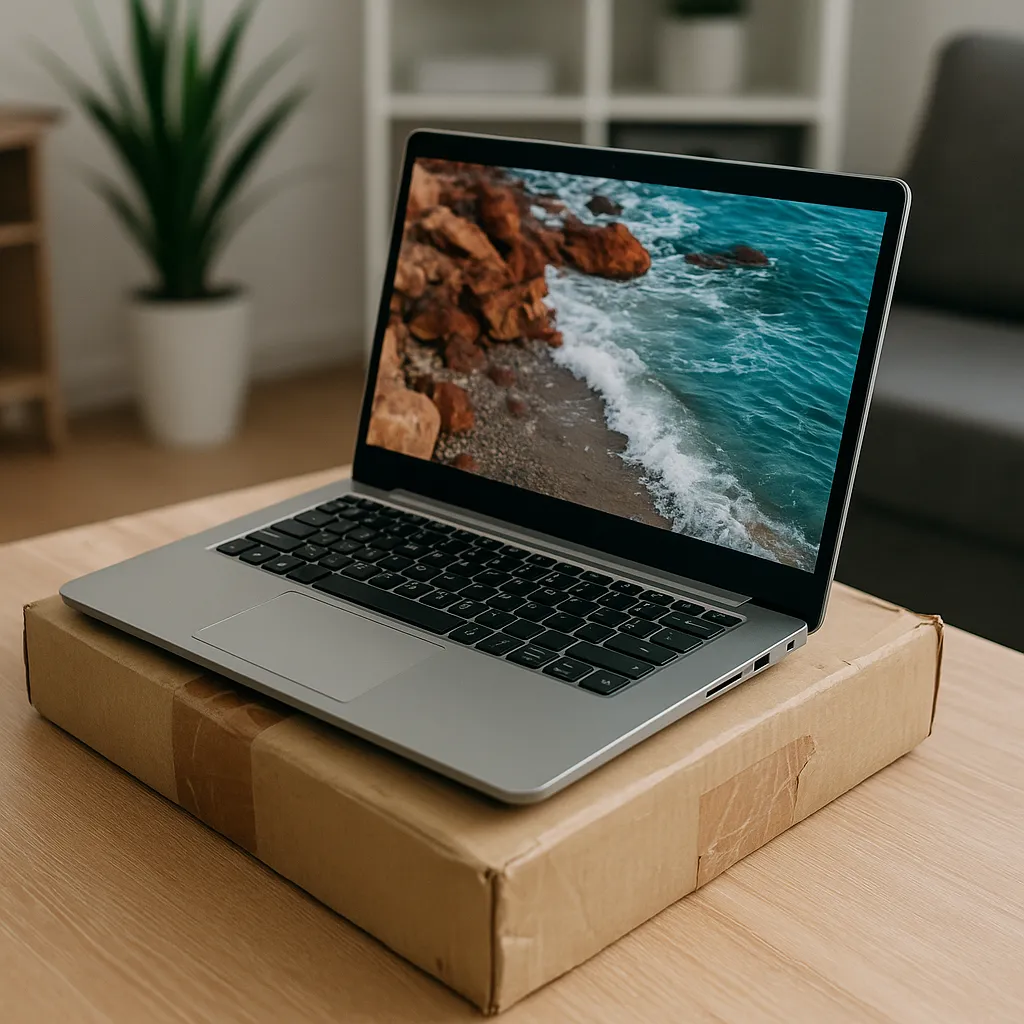
The Lenovo 15.6″ Chromebook is designed around ChromeOS and browser-based workflows. With an Intel quad-core processor, 4GB of RAM, and 128GB of storage, it’s suited for lightweight tasks like online labs, documentation, and theory-focused coursework.
Based on its specifications, this model fits introductory or cloud-oriented security programs. It’s not designed for heavy virtualization or local lab environments, but it can work for students whose coursework stays primarily web-based.
📦 Dell Latitude 3550 – Built for Virtual Machines and Labs
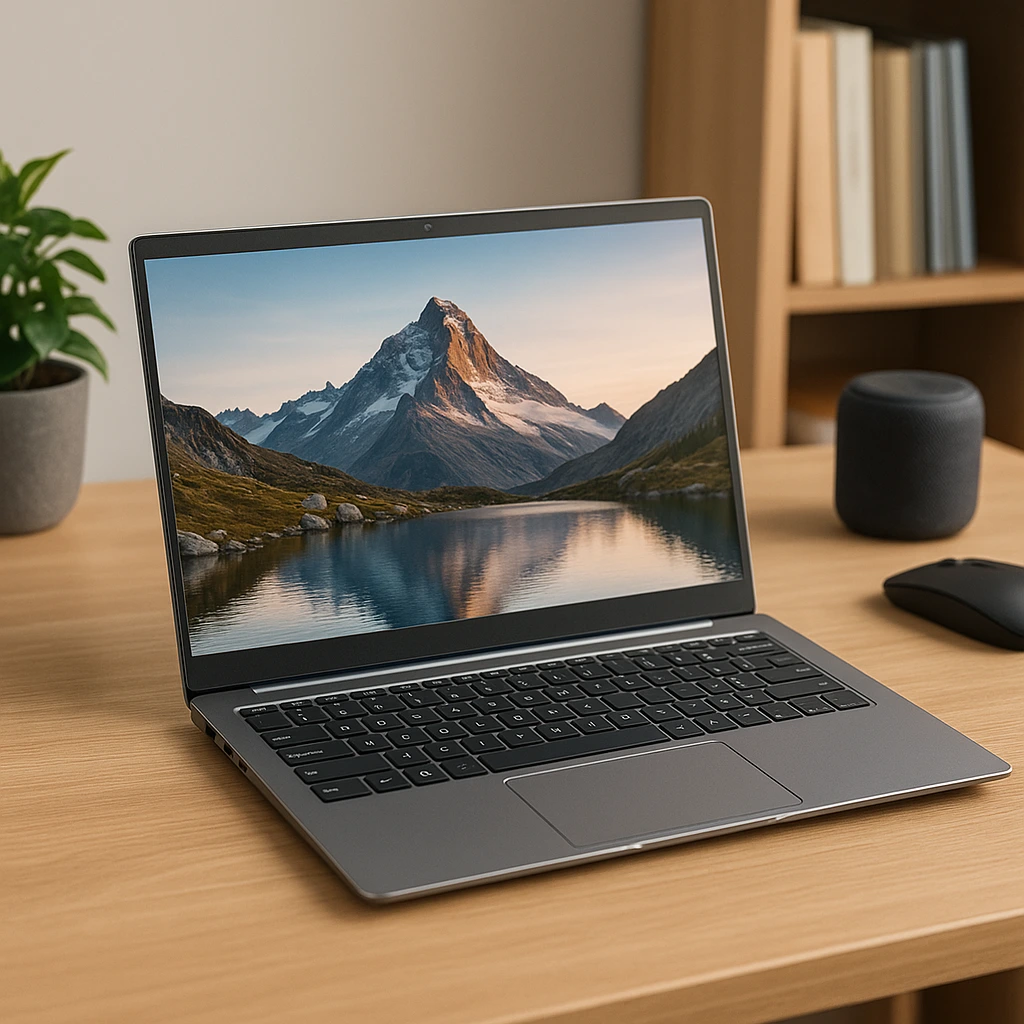
The Dell Latitude 3550 is configured for more demanding cyber security workloads. Equipped with an Intel Core i5-1335U, 32GB of RAM, and a 1TB SSD, it provides the memory and storage capacity needed for running multiple virtual machines and local testing environments.
This model suits students who expect hands-on lab work involving tools like Kali Linux, Windows Server images, or sandboxed attack simulations. Its business-class design also emphasizes reliability for long study sessions.
📦 Apple MacBook Air 15-inch (M4) – Unix-Based and Long-Term Efficient
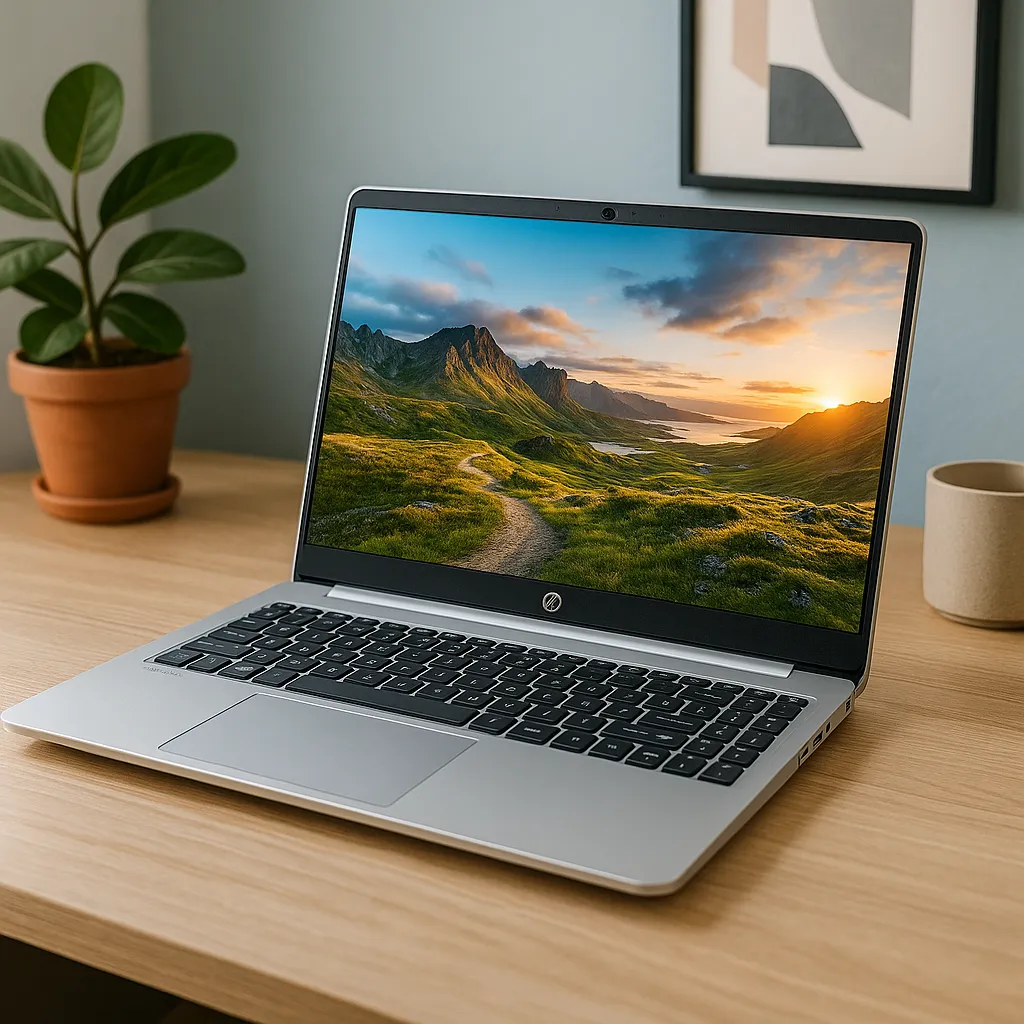
The Apple MacBook Air 15-inch with the M4 chip offers a Unix-based environment that many security students prefer for scripting and command-line work. With 24GB of unified memory and a 1TB SSD, it provides ample capacity for multitasking and large datasets.
Designed for efficiency and long-term usability, this laptop works well for students who plan to use macOS-native tools or dual-boot and virtualization solutions where supported. Software compatibility should be verified for course-specific requirements.
🔍 How to Choose the Right Laptop for Cyber Security Studies
The right laptop depends heavily on how hands-on the program is. Cloud-based or theory-heavy courses can run on modest hardware, while lab-driven programs require significant memory and storage.
Before choosing a platform, students should confirm which operating systems and tools their curriculum supports. Matching hardware to coursework prevents unnecessary upgrades later.
📌 Key Takeaways
- Cyber security workloads rely more on RAM and storage than graphics power
- Virtual machines make 16GB+ RAM highly desirable for advanced programs
- OS compatibility matters more than brand preference
- Entry-level laptops suit theory-based courses, while lab-heavy programs need stronger hardware
🟢 FAQs
Q: Do cyber security students need a dedicated GPU?
No. Most security tools and virtual machines rely on CPU, memory, and storage rather than graphics performance.
Q: Is macOS suitable for cyber security studies?
It can be, especially for Unix-based tools, but students should confirm compatibility with required course software.
Q: Are Chromebooks good for cyber security programs?
They can work for cloud-based or introductory coursework, but they’re limited for local labs and virtualization.
✅ Conclusion
The best laptops for cyber security students are those that align with the structure of their coursework. Memory capacity, storage space, and operating system support matter far more than flashy specs.
By choosing hardware that matches real academic requirements, students can focus on learning security concepts instead of working around hardware limitations.