What Is a Laptop Processor – CPU Basics and How It Affects Performance
Disclosure: This post contains affiliate links. LaptopVoyager.com participates in the Amazon Associates Program and may earn commissions on qualifying purchases, at no extra cost to you.
Last Updated: March 2026
A laptop processor, commonly called the CPU (central processing unit), is the main component responsible for executing instructions and processing data inside a computer.
Every action you perform on a laptop—opening programs, browsing the web, editing documents, or running applications—requires calculations handled by the processor.
👉 If you’re comparing different processor types and performance tiers, see our guide to best laptop processor.
This guide explains what a laptop processor does, how it works, and why CPU specifications influence overall laptop performance.
🔍 What a Laptop Processor Does
The processor acts as the control center of the laptop.
It receives instructions from software and the operating system, processes those instructions, and sends commands to other components such as memory and storage.
According to manufacturer documentation, modern CPUs perform billions of calculations per second, allowing laptops to run complex applications and multitask efficiently.
🔍 Key Parts of a Laptop Processor
Laptop processors contain several internal components that contribute to performance.
Processing cores handle instructions and workloads. Modern CPUs often include multiple cores so tasks can run simultaneously.
Cache memory stores frequently used data to speed up processing.
Integrated graphics may also be included in the processor, allowing the system to display graphics without a separate GPU in many laptops.
🔍 How Laptop Processors Affect Performance
CPU performance determines how quickly a laptop can process tasks and run applications.
Higher-performance processors typically feature faster clock speeds, improved architectures, and more cores. According to published benchmarks, these characteristics can improve responsiveness in demanding workloads.
However, overall performance also depends on other hardware such as RAM capacity and storage speed.
👉 If you’re comparing processor configurations, our guide to 6 core vs 8 core laptop explains how core counts influence multitasking performance.
🔍 Common Laptop Processor Types
Several processor families are used in modern laptops.
Intel Core processors power many Windows laptops and are available in multiple performance tiers such as Core i5, i7, and Core Ultra models.
AMD Ryzen processors compete directly with Intel chips and are widely used in both productivity and gaming laptops.
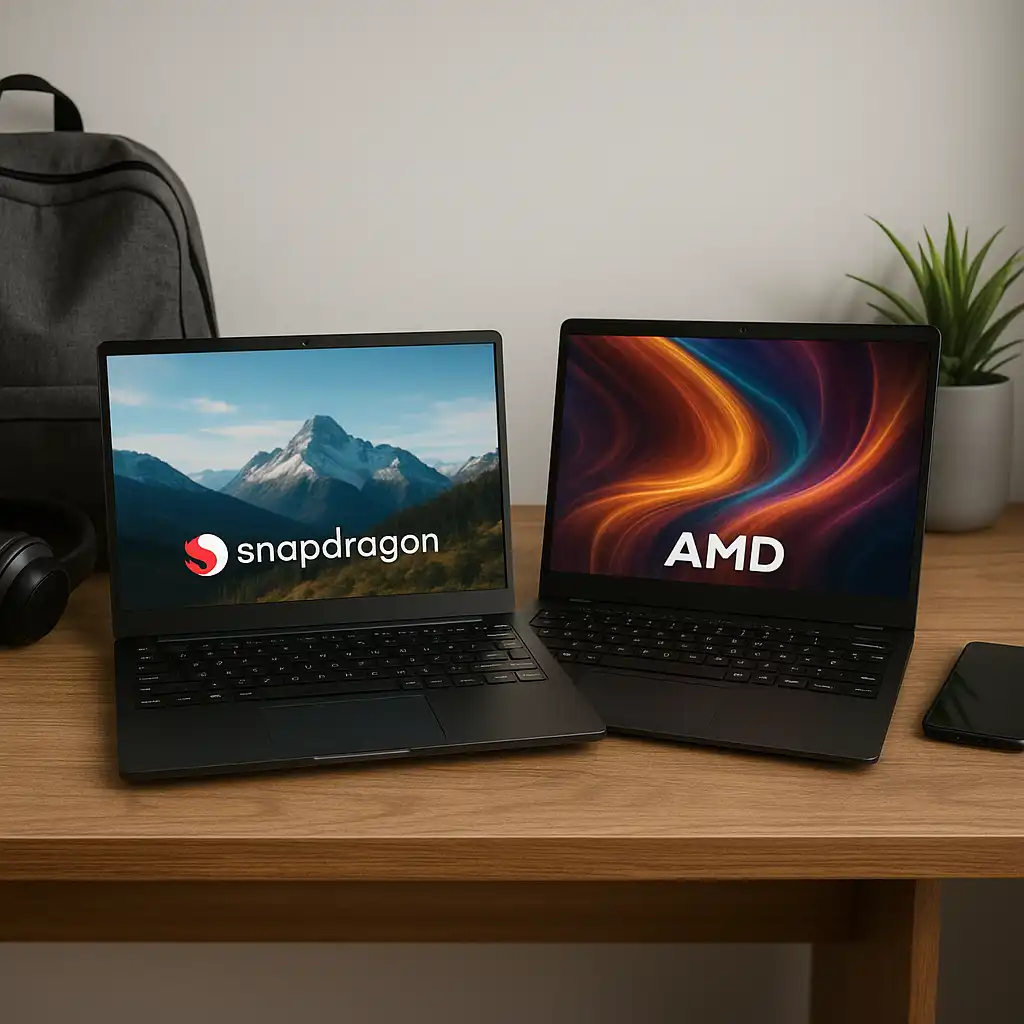
ARM-based processors, including Apple Silicon and Snapdragon chips, are designed for efficiency and battery life while maintaining strong performance in supported applications.
📌 Key Takeaways
- A laptop processor (CPU) executes instructions and processes data
- Modern CPUs include multiple cores for multitasking
- Clock speed and architecture influence performance
- Overall laptop speed also depends on RAM and storage
🟢 FAQs
Q: what is a laptop processor?
A laptop processor is the central processing unit that performs calculations and executes instructions required by software and the operating system.
Q: is the cpu the most important laptop component?
The CPU plays a major role in performance, but RAM and storage also influence how quickly a system runs applications.
Q: what processor is best for a laptop?
The best processor depends on workload. Higher-performance CPUs are typically designed for gaming, creative work, or heavy multitasking.
✅ Conclusion
The laptop processor is the core component responsible for processing instructions and running applications. Modern CPUs combine multiple cores, advanced architectures, and integrated graphics to deliver efficient performance.
Understanding how processors work can help you compare laptop specifications and choose hardware that matches your workload and performance needs.