What Makes a Good Laptop Headset – Features That Actually Matter
Disclosure: This post contains affiliate links. LaptopVoyager.com participates in the Amazon Associates Program and may earn commissions on qualifying purchases, at no extra cost to you.
Last Updated: February 2026
A good laptop headset isn’t defined by branding or flashy design. It comes down to sound clarity, microphone performance, connection type, and long-term comfort.
This guide explains what makes a good laptop headset based on specifications and design features, so you can match the right model to your work, study, gaming, or travel setup.
👉 for a broader overview of compatible headsets and audio options, see our guide to best laptop audio gear.
🔍 Sound Drivers and Audio Quality
Most laptop headsets use dynamic drivers between 40mm and 50mm. Larger drivers can support deeper bass, but driver tuning and acoustic design matter more than size alone.
Published specifications often list frequency response ranges, but professional reviews indicate that balanced mids and clear highs are more important for calls, video meetings, and gaming clarity. For everyday use, clean vocal reproduction usually matters more than extreme bass.
🔍 Microphone Clarity and Noise Control
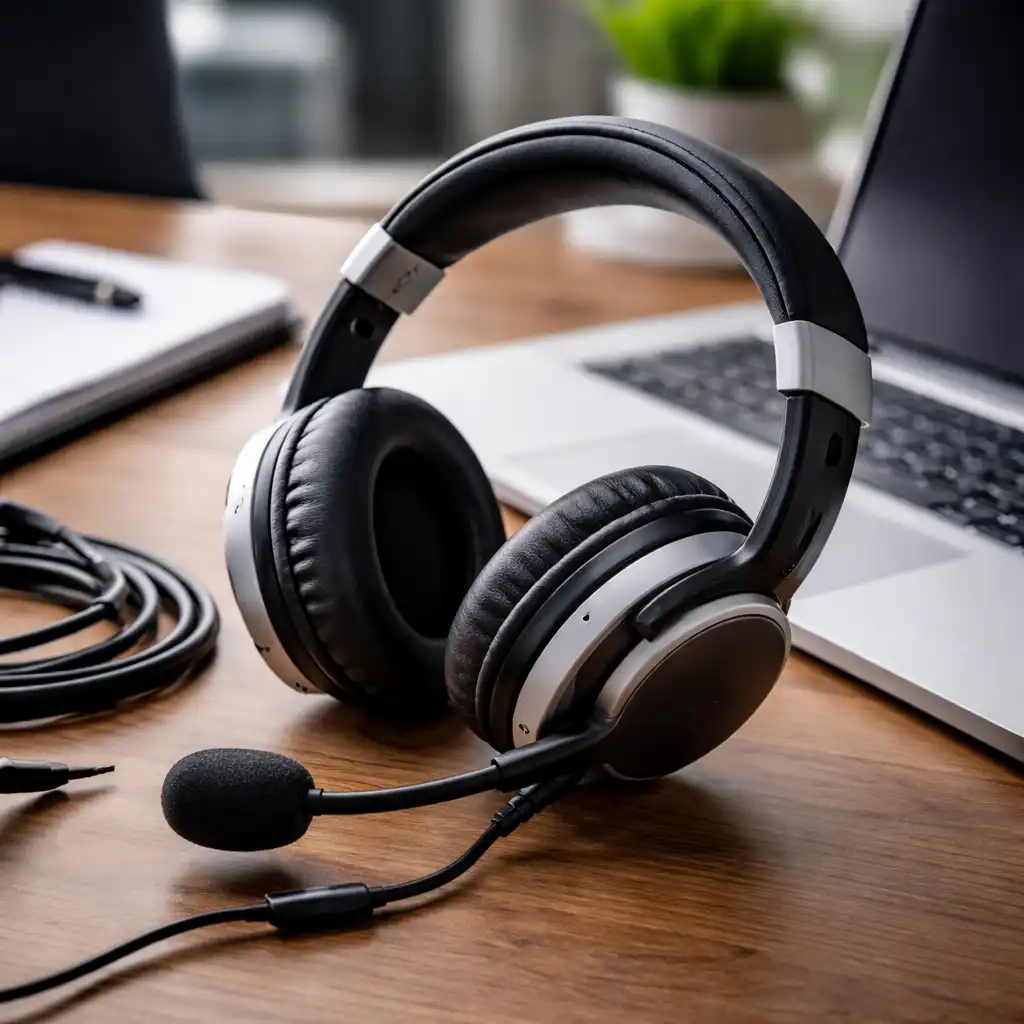
A good laptop headset should include a directional microphone. Many models use cardioid or noise-reducing pickup patterns to focus on your voice and limit background noise.
This becomes especially important for remote work, online classes, and multiplayer gaming. Some headsets feature detachable or retractable microphones, which adds flexibility when you don’t need voice input.
🔍 Wired vs Wireless Connectivity
Wired headsets typically connect through a 3.5mm audio jack or USB port. USB models may include built-in digital processing or software-based audio enhancements.
Wireless models connect via Bluetooth or a 2.4GHz USB dongle. For lower latency and stable performance, 2.4GHz wireless is generally preferred over standard Bluetooth, particularly for
make sure all headings are H2
What Makes a Good Laptop Headset – Features That Actually Matter
Last Updated: February 2026
A good laptop headset isn’t defined by branding or flashy design. It comes down to sound clarity, microphone performance, connection type, and long-term comfort.
This guide explains what makes a good laptop headset based on specifications and design features, so you can match the right model to your work, study, gaming, or travel setup.
👉 for a broader overview of compatible headsets and audio options, see our guide to best laptop audio gear.
🔍 Sound Drivers and Audio Quality
Most laptop headsets use dynamic drivers between 40mm and 50mm. Larger drivers can support deeper bass, but driver tuning and acoustic design matter more than size alone.
Published specifications often list frequency response ranges, but professional reviews indicate that balanced mids and clear highs are more important for calls, video meetings, and gaming clarity. For everyday use, clean vocal reproduction usually matters more than extreme bass.
🔍 Microphone Clarity and Noise Control
A good laptop headset should include a directional microphone. Many models use cardioid or noise-reducing pickup patterns to focus on your voice and limit background noise.
This becomes especially important for remote work, online classes, and multiplayer gaming. Some headsets feature detachable or retractable microphones, which adds flexibility when you don’t need voice input.
🔍 Wired vs Wireless Connectivity
Wired headsets typically connect through a 3.5mm audio jack or USB port. USB models may include built-in digital processing or software-based audio enhancements.
Wireless models connect via Bluetooth or a 2.4GHz USB dongle. For lower latency and stable performance, 2.4GHz wireless is generally preferred over standard Bluetooth, particularly for gaming and real-time communication.
For a deeper comparison, see our guide to wired vs wireless headset for laptop.
🔍 Comfort for Long Sessions
Comfort plays a major role if you use your headset for several hours at a time. Specifications often list weight, materials, and padding type, which directly affect long-term wearability.
Look for adjustable headbands, memory foam ear cushions, breathable materials, and lightweight construction. Clamp force and ear cup depth can also influence how the headset feels during extended calls or gaming sessions.
🔍 Surround Sound and Software Features
Some laptop headsets include virtual surround sound support, often marketed as 7.1 surround. This is typically software-driven rather than true multi-driver surround audio.
Software customization may allow EQ adjustments, microphone tuning, and profile settings. Compatibility depends on the operating system and connection method, so checking manufacturer documentation is important.
🔍 Compatibility With Your Laptop
Before choosing a headset, confirm compatibility with your device. Check whether your laptop supports USB-A, USB-C, or 3.5mm combo audio ports.
Also verify operating system compatibility with Windows or macOS. Some models are optimized for PC use, while others are designed for cross-platform support including consoles and mobile devices.
If you’re comparing specific models, you may also want to explore the Alienware Wired Gaming Headset AW520H Review or the ASUS TUF Gaming Headset Review.
📌 Key Takeaways
- Focus on driver tuning and overall sound balance, not just driver size
- Clear, directional microphones improve voice clarity for calls and gaming
- 2.4GHz wireless generally offers lower latency than Bluetooth
- Comfort features matter for long work or gaming sessions
- Always check port and operating system compatibility
🟢 FAQs
Q: Are 50mm drivers better than 40mm drivers?
Not necessarily. Sound tuning and overall build quality typically influence audio performance more than driver size alone.
Q: Is wireless suitable for gaming and video calls?
2.4GHz wireless models are generally better suited for low-latency use than standard Bluetooth.
Q: Can laptop headsets be used for work meetings?
Yes. Most include integrated microphones that function for video conferencing and voice calls.
Q: Do I need surround sound for everyday use?
Not usually. Stereo headsets provide clear audio for most calls, media, and gaming applications.
✅ Conclusion
A good laptop headset balances sound clarity, microphone performance, comfort, and reliable connectivity. Specifications and documented features provide clearer guidance than branding alone.
Matching those features to your daily workflow, gaming habits, or travel setup helps ensure long-term satisfaction.