Snapdragon vs AMD Ryzen Laptop – Performance, Efficiency, and Real-World Differences
Disclosure: This post contains affiliate links. LaptopVoyager.com participates in the Amazon Associates Program and may earn commissions on qualifying purchases, at no extra cost to you.
Last Updated: April 2026
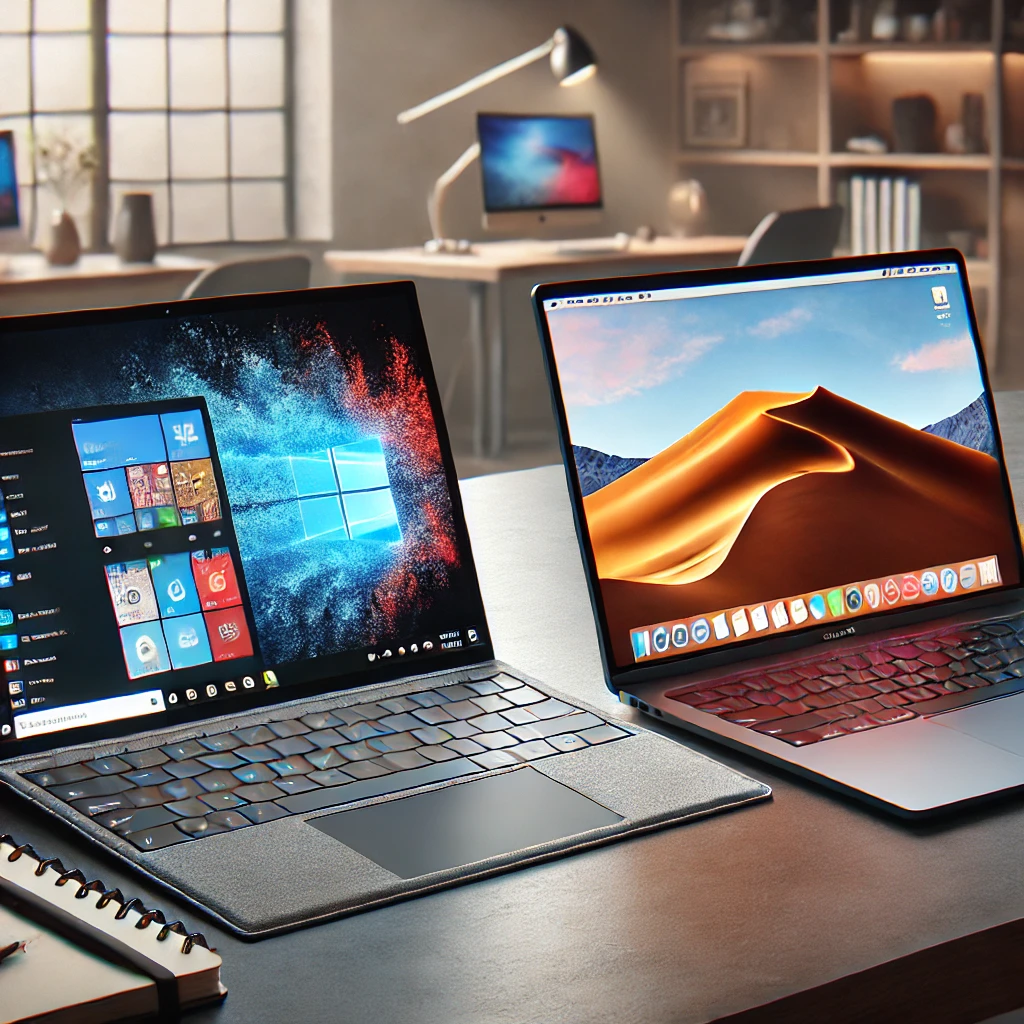
Snapdragon and AMD Ryzen laptops represent two very different approaches to performance. One focuses on efficiency and battery life, while the other prioritizes raw power and broad compatibility.
Based on specifications, platform design, and published benchmarks, choosing between Snapdragon and AMD Ryzen depends on how you use your laptop—whether for mobility, productivity, or demanding workloads.
👉 For a full platform overview, see our guide to snapdragon laptops guide
📌 Key Takeaways
- Snapdragon laptops prioritize efficiency, battery life, and silent operation
- AMD Ryzen laptops focus on performance and compatibility
- ARM-based Snapdragon systems may have software limitations
- Ryzen systems handle heavy workloads and gaming more consistently
- The best choice depends on your workflow and software needs
🔍 Architecture Differences: ARM vs x86
The biggest difference between Snapdragon and AMD Ryzen laptops is architecture.
Snapdragon processors use ARM-based design, while AMD Ryzen uses traditional x86 architecture. This affects how software runs and how efficiently the system operates.
According to platform documentation:
- ARM systems prioritize low power consumption
- x86 systems prioritize compatibility and performance
This difference impacts everything from battery life to app support.
👉 For a deeper explanation of ARM behavior, see windows on arm explained
🔍 Performance Comparison for Everyday and Heavy Tasks
Performance varies significantly depending on workload.
Snapdragon processors, such as the X Elite and X Plus, are designed for efficient everyday performance. Published benchmarks show strong single-core efficiency, which supports tasks like browsing, office work, and light development.
AMD Ryzen processors, especially Ryzen 5, 7, and 9 series, are designed for sustained performance. According to manufacturer specifications and benchmarks, they handle:
- Heavy multitasking
- Large software builds
- Video editing and rendering
- Gaming workloads
👉 For a detailed breakdown of how Snapdragon handles workloads, see snapdragon laptop performance
🔍 Battery Life and Power Efficiency
Battery life is one of the biggest advantages of Snapdragon laptops.
According to manufacturer claims and professional reviews, many Snapdragon devices are rated for all-day or multi-day battery life under light workloads. This is due to low power consumption and efficient ARM design.
AMD Ryzen laptops, while improving in efficiency, generally consume more power under load. This results in:
- Shorter battery life during heavy tasks
- Higher thermal output
- More reliance on active cooling
For users who prioritize mobility, Snapdragon systems are designed to last longer away from a charger.
🔍 Software Compatibility and App Support
Compatibility is where AMD Ryzen has a clear advantage.
Snapdragon laptops run Windows on ARM, which supports both native ARM apps and emulated x86/x64 applications. However, performance and compatibility depend on how well software is optimized.
Based on developer documentation and reviews:
- ARM-native apps run efficiently
- Emulated apps may experience performance overhead
- Some tools and drivers may not be fully supported
AMD Ryzen laptops, using x86 architecture, support virtually all Windows software without compatibility concerns.
🔍 Gaming and Graphics Performance
Gaming performance differs significantly between the two platforms.
Snapdragon laptops include integrated GPUs designed for efficiency rather than high-end gaming. This means they can handle lighter or optimized titles, but not demanding AAA games consistently.
AMD Ryzen laptops, especially those paired with dedicated GPUs, are designed for gaming and graphics-intensive workloads. According to benchmarks:
- Better frame rates in modern games
- Support for high-performance GPUs
- More consistent performance under load
🔍 Thermals and Cooling Behavior
Thermal design reflects each platform’s priorities.
Snapdragon laptops are built to run cool, often using fanless designs due to lower power consumption. According to manufacturer design goals, they rely on passive cooling and efficiency.
AMD Ryzen laptops generate more heat under load and typically use active cooling systems (fans) to maintain performance.
This leads to:
- Snapdragon: cooler, quieter operation
- Ryzen: higher performance with more heat and noise
🔍 Which One Should You Choose?
The right choice depends on your usage.
Choose Snapdragon if you need:
- Long battery life
- Lightweight and portable design
- Silent operation
- Everyday productivity performance
Choose AMD Ryzen if you need:
- Maximum performance
- Full software compatibility
- Gaming or creative workloads
- Support for demanding applications
Neither platform is universally better—it depends on your workflow and priorities.
🟢 FAQs
Q: Is Snapdragon better than AMD Ryzen?
No, each platform excels in different areas—Snapdragon in efficiency, Ryzen in performance and compatibility.
Q: Are Snapdragon laptops good for gaming?
They can handle lighter games, but Ryzen systems are better suited for demanding gaming workloads.
Q: Which has better battery life, Snapdragon or Ryzen?
Snapdragon laptops are designed for longer battery life due to lower power consumption.
Q: Do Snapdragon laptops support all Windows apps?
Most apps work, but compatibility depends on ARM optimization and emulation support.
✅ Conclusion
Snapdragon and AMD Ryzen laptops are built with different priorities in mind. Based on specifications and platform design, Snapdragon focuses on efficiency, portability, and battery life, while AMD Ryzen emphasizes performance and compatibility.
For everyday users and mobile workflows, Snapdragon can be a practical option. For demanding workloads and broader software support, AMD Ryzen remains the more flexible choice.