Snapdragon Laptops Battery Life – How Long They Last and What Affects It
Disclosure: This post contains affiliate links. LaptopVoyager.com participates in the Amazon Associates Program and may earn commissions on qualifying purchases, at no extra cost to you.
Last Updated: April 2026
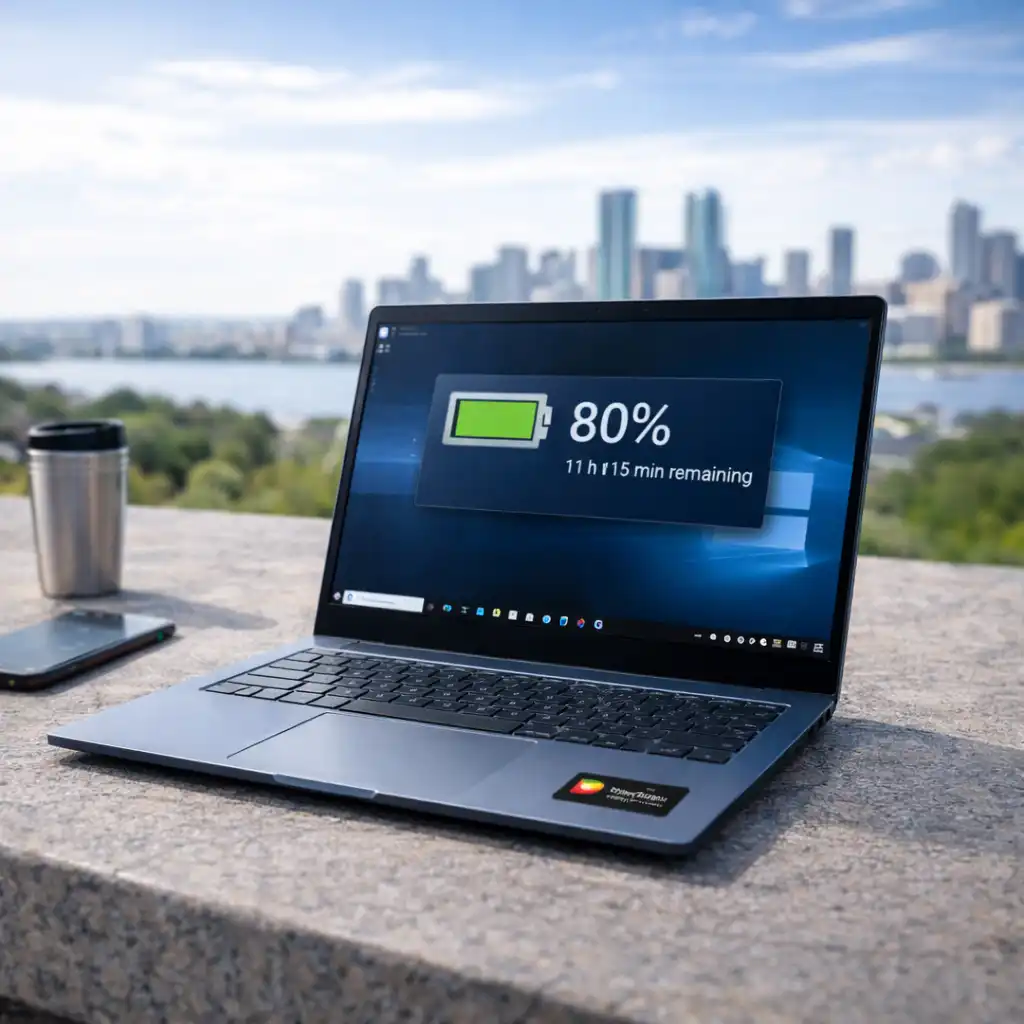
Battery life is one of the biggest advantages of Snapdragon laptops. These devices are designed with efficiency in mind, using ARM-based processors that consume less power compared to traditional laptop chips.
If you’re choosing a laptop for school, travel, or work on the go, understanding how Snapdragon laptops handle battery life can help you decide if they match your needs.
👉 For a broader overview, see the snapdragon laptops guide
📌 Key Takeaways
- Snapdragon laptops are designed for long battery life and efficiency
- Many models are rated for all-day use based on manufacturer claims
- Native ARM apps help maximize battery performance
- Heavier workloads and emulated apps can reduce battery life
🔍 Why Snapdragon Laptops Have Longer Battery Life
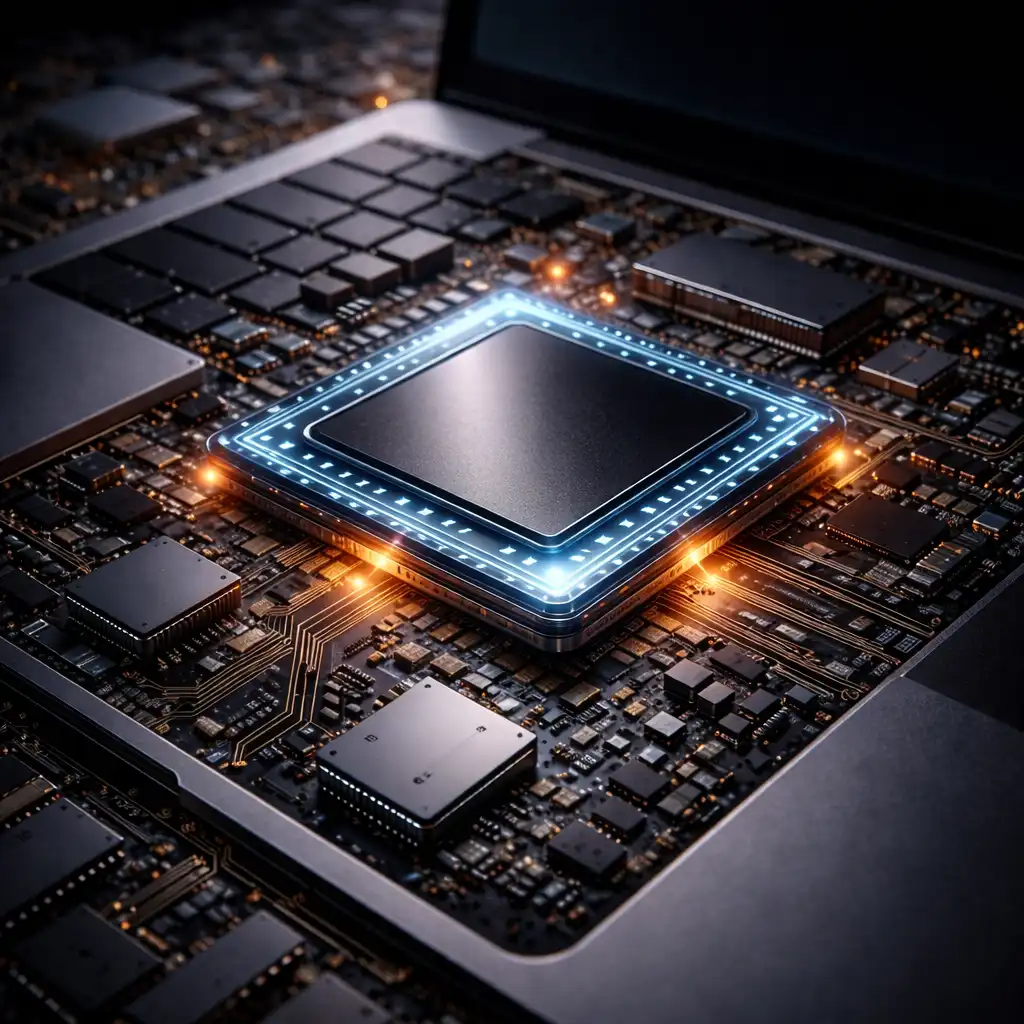
Snapdragon laptops use ARM architecture, which is designed for low power consumption.
According to manufacturer specifications, chips like Snapdragon X Elite and X Plus are optimized to deliver strong performance while using less energy. This allows laptops to stay efficient even during multitasking.
This design makes them suitable for users who need longer usage without frequent charging.
🔍 How Long Does Battery Life Typically Last?
Battery life varies by model, but manufacturers often claim:
- Up to 15–20 hours of video playback
- Around 10–15 hours of mixed everyday use
These figures depend on brightness, apps, and connectivity.
Published benchmarks and professional reviews indicate that Snapdragon laptops often deliver strong efficiency compared to traditional laptops, especially in lightweight workloads.
🔍 What Affects Battery Life?
Several factors influence how long a Snapdragon laptop lasts on a single charge:
- Screen brightness and resolution
- Type of apps (native vs emulated)
- Background processes
- Network usage (Wi-Fi, 5G, Bluetooth)
For example, native ARM apps are more efficient, while emulated apps may use more power.
👉 Learn more in snapdragon laptop app compatibility
🔍 Battery Life vs Performance Trade-Off
Snapdragon laptops are designed to balance performance and efficiency.
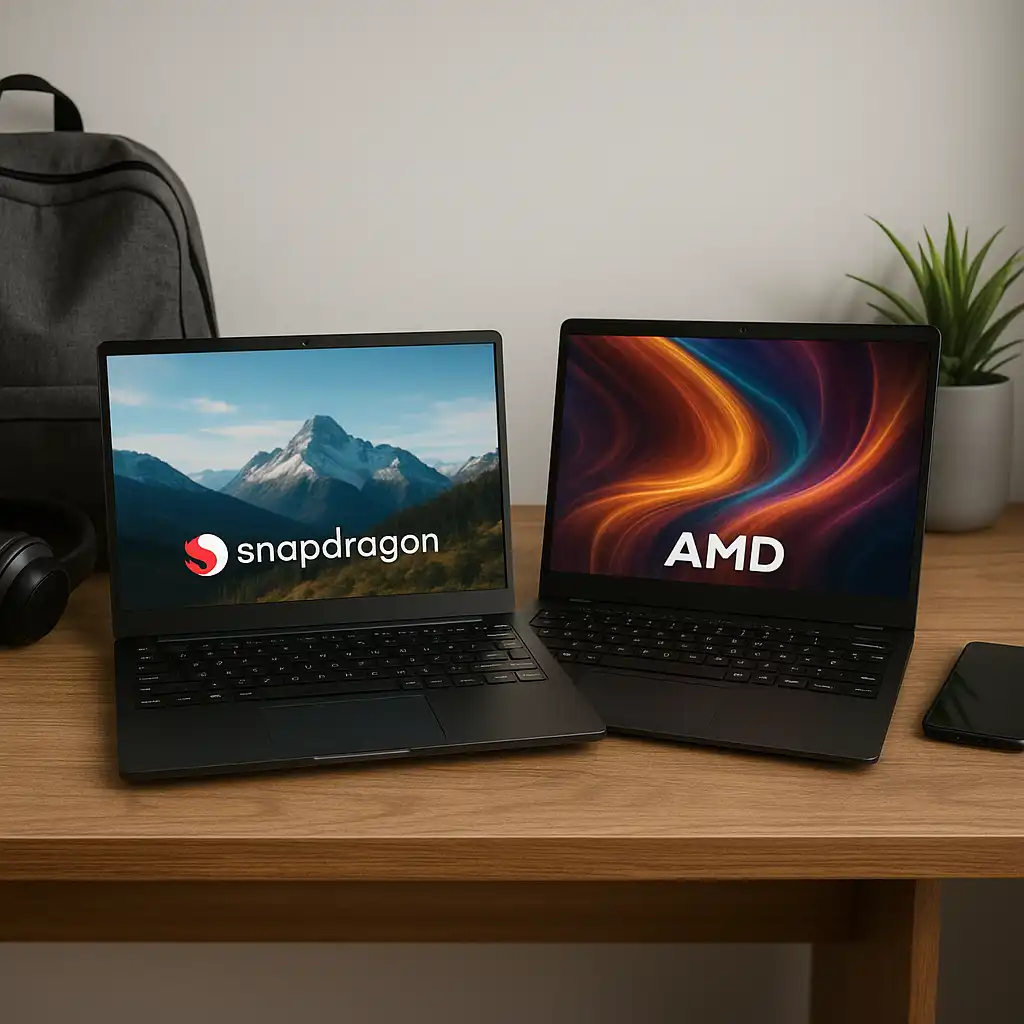
Compared to Intel and AMD systems:
- They use less power
- Generate less heat
- Maintain consistent performance over time
However, high-performance workloads may still reduce battery life faster, especially when running demanding or non-native apps.
🔍 Real-World Use Cases
Based on specifications and usage patterns, Snapdragon laptops are well-suited for:
- Students attending classes throughout the day
- Travelers needing long battery life without charging
- Professionals working remotely or on the move
This is especially useful if you rely on web apps, productivity tools, and lightweight software.
🔍 How to Maximize Battery Life
To get the most out of a Snapdragon laptop:
- Lower screen brightness
- Use native apps when possible
- Limit background processes
- Turn off unused connectivity features
These adjustments can help extend battery life throughout the day.
🟢 FAQs
Q: How long do Snapdragon laptop batteries last?
Manufacturers often rate them for up to 15–20 hours, depending on usage.
Q: Are Snapdragon laptops better for battery life than Intel laptops?
They are designed to be more power-efficient, especially in everyday tasks.
Q: Does app compatibility affect battery life?
Yes, native apps use less power, while emulated apps can reduce efficiency.
Q: Are Snapdragon laptops good for travel?
Yes, long battery life makes them suitable for users who need portability and extended use.
✅ Conclusion
Snapdragon laptops are designed to deliver strong battery life through efficient ARM architecture and optimized power usage. Based on specifications and published data, they are a practical choice for users who prioritize portability, long usage time, and consistent everyday performance.