Snapdragon Laptop Performance: What Real-World Speed Looks Like in 2026
Disclosure: This post contains affiliate links. LaptopVoyager.com participates in the Amazon Associates Program and may earn commissions on qualifying purchases, at no extra cost to you.
Last Updated: January 2026
Snapdragon laptops are often praised for battery life, but performance is where most people still hesitate. Can these ARM-based Windows laptops actually keep up with everyday work, or do they feel noticeably slower than Intel and Apple Silicon systems?
In real-world use, Snapdragon laptop performance is more balanced than many expect. These machines excel at sustained, efficient workloads, while heavier tasks can reveal their limits. Understanding where they perform best makes it easier to decide if they fit your needs.
👉 For a broader look at how Snapdragon laptops differ from traditional Windows systems, this Snapdragon laptops guide breaks down the platform in more detail.
🔍 How Snapdragon Laptop Performance Works
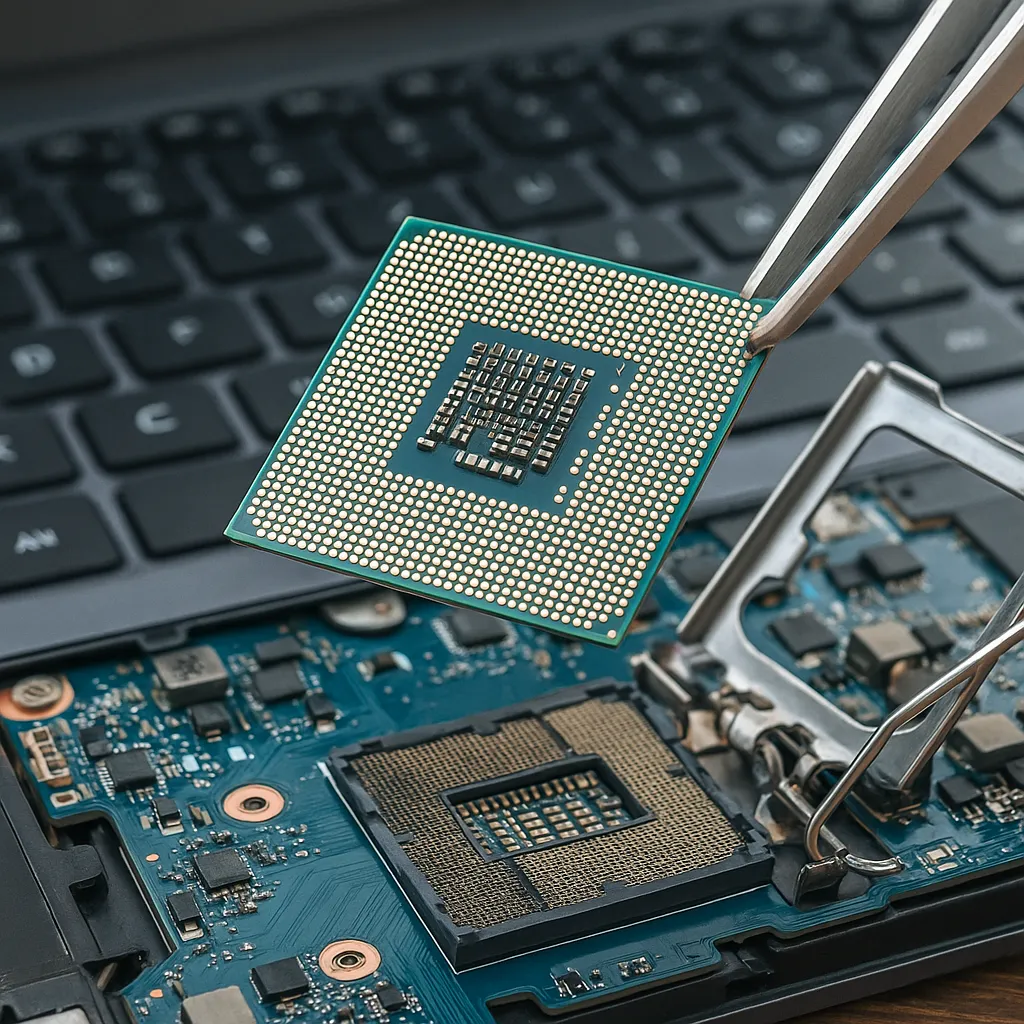
Snapdragon laptops rely on ARM-based processors rather than traditional x86 chips.
Instead of pushing high peak power, Snapdragon X processors focus on efficiency and steady output. This design prioritizes smooth performance over long sessions rather than short bursts of maximum speed.
As a result, these laptops often feel consistently responsive, even when benchmark numbers don’t look impressive.
🔍 Everyday Performance and Responsiveness
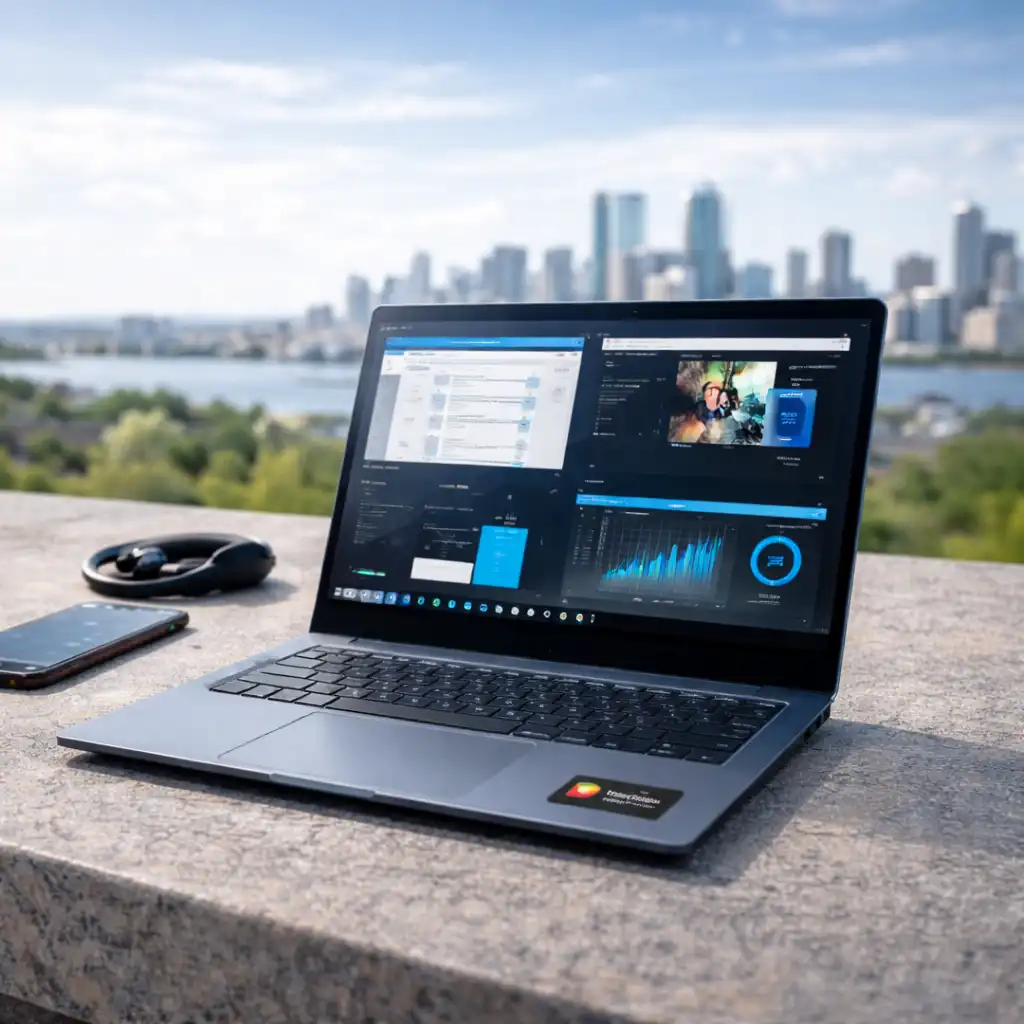
For day-to-day use, Snapdragon laptops feel fast and fluid.
Web browsing, document editing, email, video calls, and media streaming all run smoothly. Apps open quickly, the system wakes instantly, and multitasking remains comfortable for light to moderate workloads.
For students and office users, performance rarely feels like a limitation.
🔍 Productivity and Office Work Performance
Office workloads are one of Snapdragon’s strongest areas.
Microsoft Office, browser-based tools, and cloud productivity apps perform reliably, especially when ARM-native versions are available. Even when apps run through emulation, performance is typically stable enough that most users won’t notice a difference.
Battery efficiency also helps performance stay consistent throughout the workday.
🔍 Creative Work and Demanding Tasks
Creative performance depends heavily on workload type.
Light photo editing, basic video trimming, and simple design tasks can run well, particularly with ARM-optimized software. More demanding workflows—such as large video projects, complex timelines, or heavy effects—can expose the limits of integrated graphics and emulation.
These laptops aren’t built to replace high-end creative workstations.
🔍 Gaming and Graphics Performance
Gaming highlights the limits of Snapdragon laptop performance.
Casual games, older titles, and cloud gaming services work reasonably well. Modern AAA games, however, often struggle due to GPU constraints and emulation overhead.
For occasional gaming, performance is acceptable. For dedicated gaming, Snapdragon laptops are not the right tool.
🔍 Sustained Performance and Thermals
One area where Snapdragon laptops stand out is sustained performance.
These systems run cool and quiet, with minimal fan noise and very little thermal throttling. Performance remains steady even during long work sessions, which is something many thin Intel laptops struggle to maintain.
This makes Snapdragon laptops comfortable for extended daily use.
🔍 Snapdragon vs Intel and Apple Silicon Performance
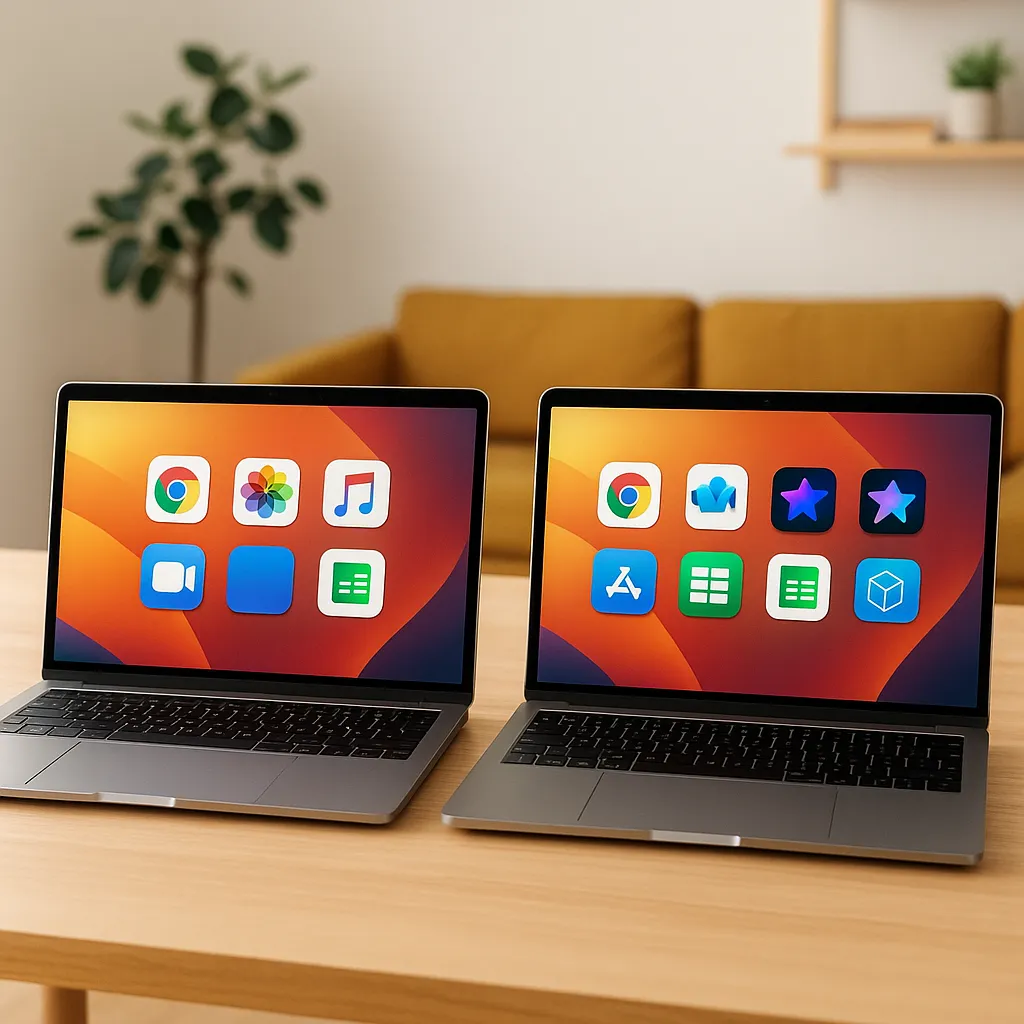
Snapdragon performance sits between Intel ultrabooks and Apple Silicon laptops.
Compared to older Intel-based thin laptops, Snapdragon systems often feel smoother in everyday tasks and deliver far better battery life. Compared to Apple Silicon, Snapdragon still trails in raw performance and creative workloads, though the gap continues to narrow.
Choosing between them depends more on workload than on benchmark scores.
📌 Key Takeaways
- Snapdragon laptops deliver smooth performance for everyday tasks
- Office and cloud-based workloads run especially well
- Creative and gaming performance is more limited
- Sustained performance and thermals are a major strength
- Best suited for users who value efficiency over raw power
🟢 FAQs
Q: Are Snapdragon laptops fast enough for everyday use?
Yes. For browsing, office work, and general productivity, performance is more than sufficient.
Q: Do Snapdragon laptops slow down under sustained use?
Not usually. Efficient thermals help maintain consistent performance over time.
Q: Are Snapdragon laptops suitable for power users?
They’re best suited for light to moderate workloads rather than heavy professional tasks.
✅ Conclusion
Snapdragon laptop performance is best described as efficient, consistent, and built around real-world productivity. These laptops aren’t designed to compete with high-end gaming rigs or professional workstations, but they excel at everyday tasks, office work, and long sessions without heat or noise. For users who prioritize battery life, quiet operation, and steady performance over raw power, Snapdragon laptops are a strong and increasingly mature option in 2026.