Snapdragon Laptops Battery Life: How Long They Really Last in 2026
Disclosure: This post contains affiliate links. LaptopVoyager.com participates in the Amazon Associates Program and may earn commissions on qualifying purchases, at no extra cost to you.
Last Updated: January 2026
Battery life is usually the first reason people look at Snapdragon laptops. Long runtimes, instant wake, and the promise of getting through a full day—or more—without charging sound almost too good to be true for a Windows laptop.
In real-world use, those claims are closer to reality than many expect. Snapdragon laptops consistently deliver longer battery life than most traditional Windows systems, especially during everyday tasks. How long they last depends on usage, but endurance is one of their strongest advantages.
👉 For a broader explanation of how Snapdragon laptops differ from Intel-based models, this Snapdragon laptops guide breaks down the platform in more detail.
🔍 Why Snapdragon Laptops Have Better Battery Life
Snapdragon laptops are built around ARM-based processors designed for efficiency.
Rather than pushing high power draw to achieve performance, Snapdragon X processors focus on doing more work with less energy. This approach keeps systems cooler, reduces background drain, and allows laptops to maintain steady performance without rapidly draining the battery.
That efficiency-first design is the foundation of their long battery life.
🔍 Real-World Battery Life Expectations
In everyday use, Snapdragon laptops often last noticeably longer than traditional Windows laptops.
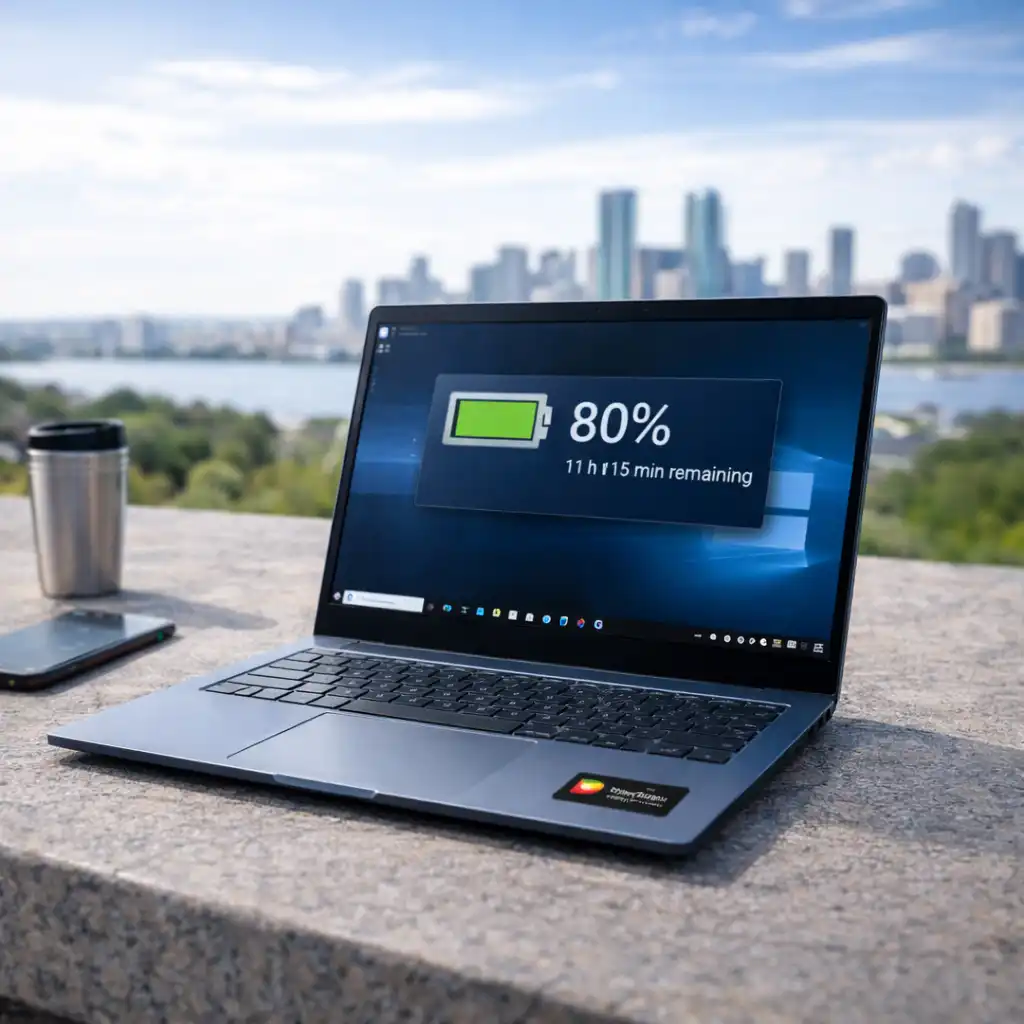
Web browsing, document editing, email, video calls, and light multitasking typically allow for a full workday on a single charge—and often more. With lighter usage, it’s not uncommon to stretch battery life into a second day.
Exact results vary by model, display size, and brightness, but overall endurance remains consistently strong.
🔍 Battery Life During Productivity and Office Work
Productivity workloads are where Snapdragon laptops perform best in terms of battery efficiency.
Microsoft Office, browser-based tools, note-taking apps, and cloud workflows consume relatively little power on ARM hardware. Even during long work sessions, battery drain tends to be gradual and predictable.
For students and remote workers, this means fewer interruptions and less dependence on power outlets.
🔍 Streaming, Browsing, and Media Use
Media consumption places relatively low demands on Snapdragon laptops.
Video streaming, music playback, and casual browsing are handled efficiently, often allowing many hours of uninterrupted use. This makes Snapdragon laptops especially appealing for travel, commuting, or working from cafés and shared spaces.
Battery life during streaming is typically better than on comparable Intel-based laptops.
🔍 Gaming and Heavy Workloads: Battery Impact
Demanding tasks naturally reduce battery life.
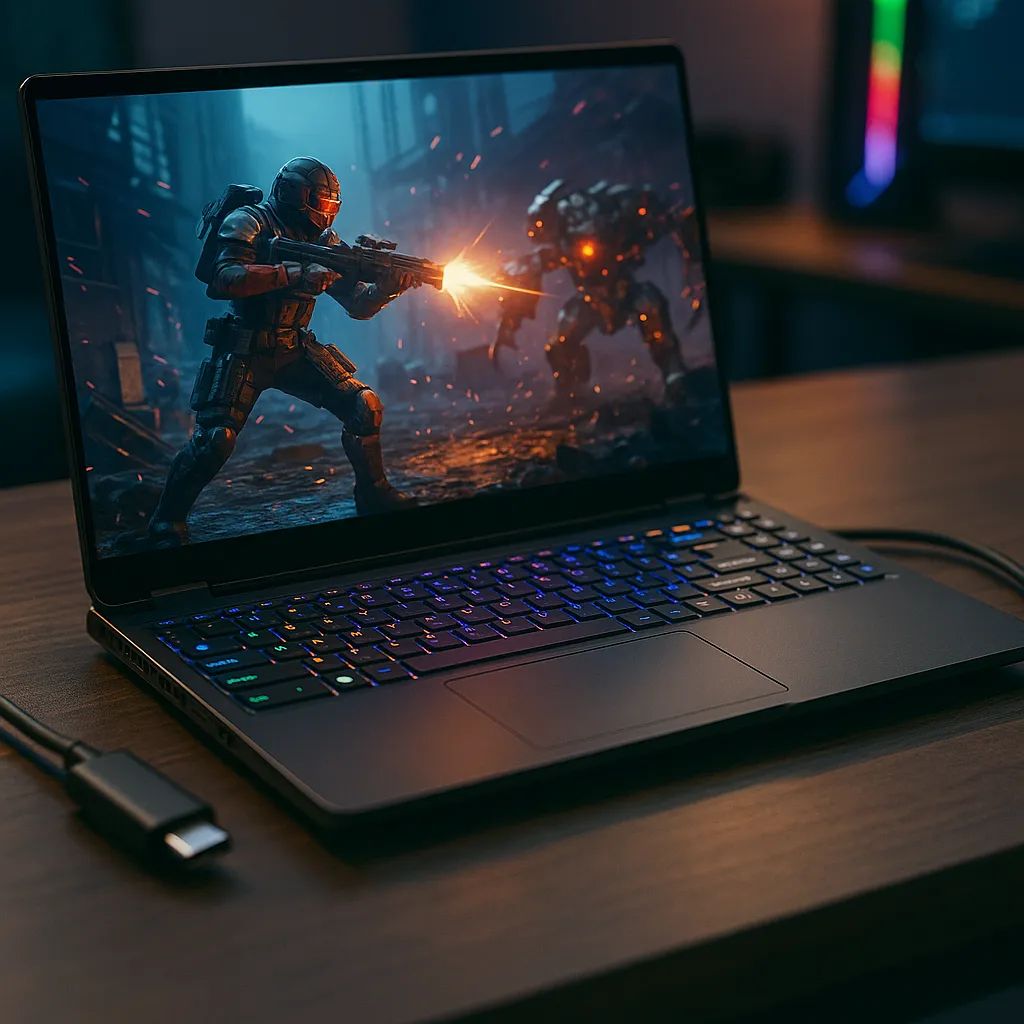
Gaming, heavy creative work, and intensive multitasking increase power draw and shorten runtimes. Even so, Snapdragon laptops often remain competitive with thin Intel laptops under similar workloads.
Cloud gaming can still be relatively battery-friendly, since much of the processing happens on remote servers rather than locally.
🔍 Standby, Sleep, and Instant Wake Efficiency
Standby efficiency is one of Snapdragon’s most underrated strengths.
These laptops use very little power while sleeping, similar to smartphones and tablets. Closing the lid for hours—or even days—often results in minimal battery loss.
Instant wake also makes short work sessions more practical, without the penalty of battery drain between uses.
🔍 Snapdragon vs Intel and Apple Silicon Battery Life
Compared to Intel ultrabooks, Snapdragon laptops usually deliver longer battery life, particularly for light and moderate workloads.
Apple Silicon laptops still lead in efficiency during heavy creative tasks, but Snapdragon systems are closing the gap for everyday use. For Windows users focused on battery longevity, Snapdragon laptops are among the best options available.
📌 Key Takeaways
- Snapdragon laptops offer some of the best battery life available on Windows
- Everyday productivity and browsing are extremely power efficient
- Larger displays and higher brightness settings reduce runtime
- Heavy workloads shorten battery life but remain competitive
- Standby efficiency and instant wake are major real-world advantages
🟢 FAQs
Q: Do Snapdragon laptops really last all day?
Yes. Most models comfortably handle a full workday for typical productivity tasks.
Q: Does screen size affect battery life?
Yes. Larger and higher-resolution displays consume more power and reduce runtime.
Q: Are ARM-native apps better for battery life?
Yes. ARM-native apps are generally more power efficient than emulated ones.
✅ Conclusion
Snapdragon laptops stand out for battery life more than any other feature. Thanks to ARM-based efficiency, they deliver long runtimes for productivity, browsing, and media use—often outperforming traditional Windows laptops. While demanding workloads reduce endurance, overall battery performance remains one of the strongest reasons to choose a Snapdragon laptop in 2026.