What Is a Snapdragon Processor? A Simple Explanation for Laptop Buyers
Disclosure: This post contains affiliate links. LaptopVoyager.com participates in the Amazon Associates Program and may earn commissions on qualifying purchases, at no extra cost to you.
Last Updated: January 2026
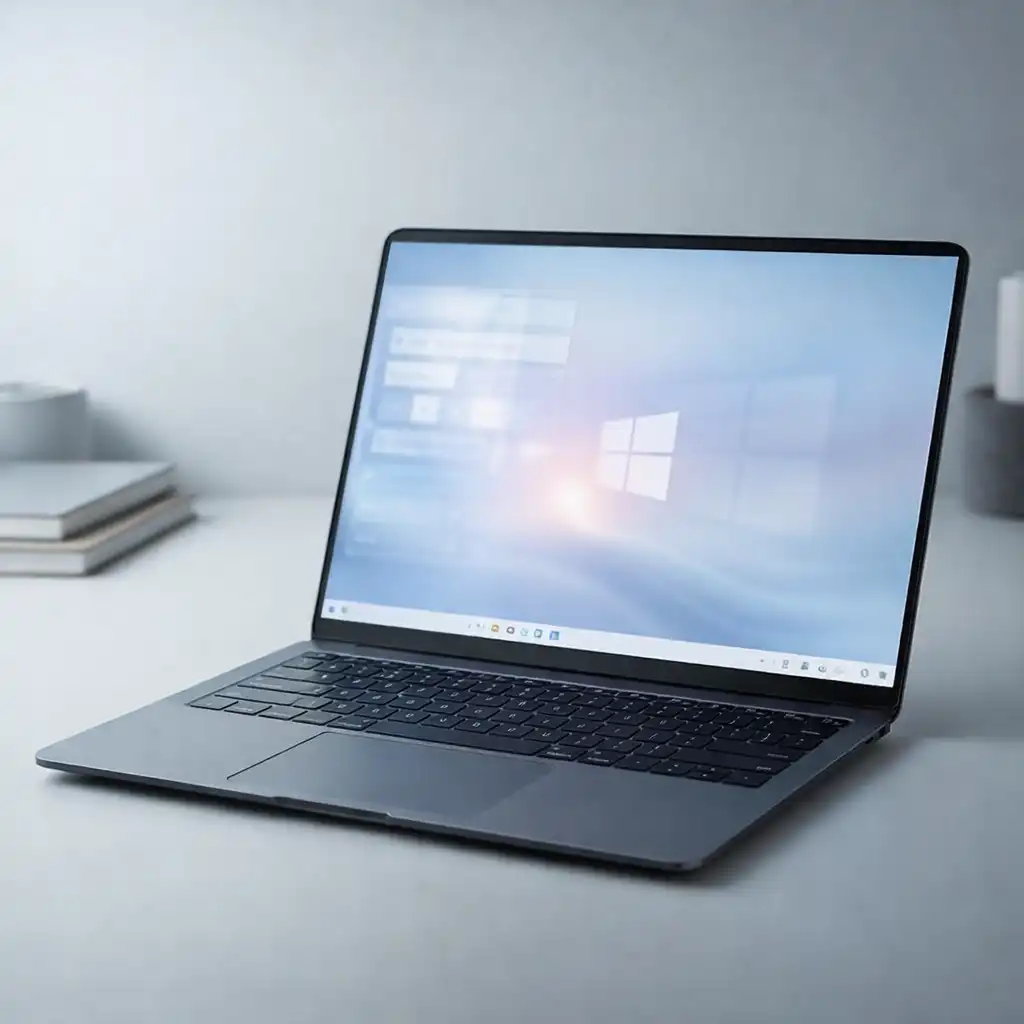
Snapdragon processors are appearing in more Windows laptops each year, especially in thin, lightweight models designed for portability and long battery life. If you’re used to Intel or AMD branding, Snapdragon can feel unfamiliar—and that uncertainty often raises questions about performance and compatibility.
At its core, a Snapdragon processor is built around efficiency rather than raw power. Understanding how these chips work and what they’re designed to do makes it much easier to decide whether a Snapdragon laptop fits your everyday needs.
👉 For a broader look at Snapdragon-powered laptops and how they compare to traditional Windows systems, this Snapdragon laptops guide explains the platform in more detail.
🔍 What Is a Snapdragon Processor?
A Snapdragon processor is an ARM-based system-on-a-chip (SoC) developed by Qualcomm.
Instead of separating the CPU, graphics, and connectivity into multiple components, Snapdragon processors combine everything into a single chip. This integrated design reduces power consumption and allows laptops to run cooler and quieter.
In laptops, Snapdragon processors prioritize efficiency, battery life, and consistent performance rather than maximum peak speed.
🔍 Snapdragon Processors in Laptops vs Phones
Although Snapdragon chips originated in smartphones, laptop versions are purpose-built for larger devices.
Laptop-class Snapdragon processors are designed to sustain higher performance for longer periods, handle multitasking more comfortably, and support desktop operating systems like Windows on ARM. They also feature stronger graphics and better memory support than phone-based chips.
The mobile DNA is still there—but adapted for everyday computing.
🔍 Why Snapdragon Processors Focus on Efficiency
Efficiency is the defining trait of Snapdragon processors.
By using less power, these chips allow laptops to:
- Last significantly longer on battery
- Stay cool during extended use
- Operate quietly, often with minimal fan noise
- Maintain steady performance without aggressive thermal throttling
This approach is especially noticeable during long workdays away from a charger.
🔍 Performance Expectations with Snapdragon Processors
Snapdragon processors deliver smooth, reliable performance for common tasks.
Web browsing, document editing, email, video calls, and media streaming all run comfortably. Performance tends to feel consistent rather than bursty, which helps avoid slowdowns during longer sessions.
More demanding workloads—such as advanced creative work or modern PC gaming—can expose the limits of these processors compared to high-end Intel, AMD, or Apple Silicon chips.
🔍 Windows on ARM and Software Compatibility
Snapdragon processors run Windows on ARM instead of traditional x86 Windows.
Many modern apps are now optimized for ARM and run natively, offering better speed and battery efficiency. Other apps rely on emulation, which generally works well but can introduce small performance or compatibility trade-offs.
Software support continues to improve as Windows on ARM matures.
🔍 Who Should Consider a Snapdragon Processor?
Snapdragon processors are a strong fit for:
- Students and everyday laptop users
- Remote workers and frequent travelers
- Users who value battery life and quiet operation
- Productivity, browsing, and media consumption
They’re less suitable for users who depend on demanding professional software or high-end gaming performance.
📌 Key Takeaways
- Snapdragon processors are ARM-based chips designed for efficiency
- They integrate CPU, graphics, AI, and connectivity into one chip
- Battery life and quiet operation are major strengths
- Everyday productivity runs smoothly and consistently
- Heavy creative work and gaming are not their primary focus
🟢 FAQs
Q: What is a Snapdragon processor used for in laptops?
Snapdragon processors are used in laptops focused on battery life, portability, and everyday productivity.
Q: Are Snapdragon processors better than Intel or AMD?
They’re better for efficiency and battery life, but not for raw performance or demanding workloads.
Q: Do Snapdragon processors support Windows apps?
Yes. Many apps run natively on ARM, while others work through emulation.
✅ Conclusion
A Snapdragon processor is designed around efficiency rather than brute force. In laptops, that means long battery life, quiet operation, and smooth performance for everyday tasks. While Snapdragon processors aren’t meant to replace high-performance workstation chips, they offer a compelling option for users who prioritize mobility, endurance, and consistent day-to-day usability.